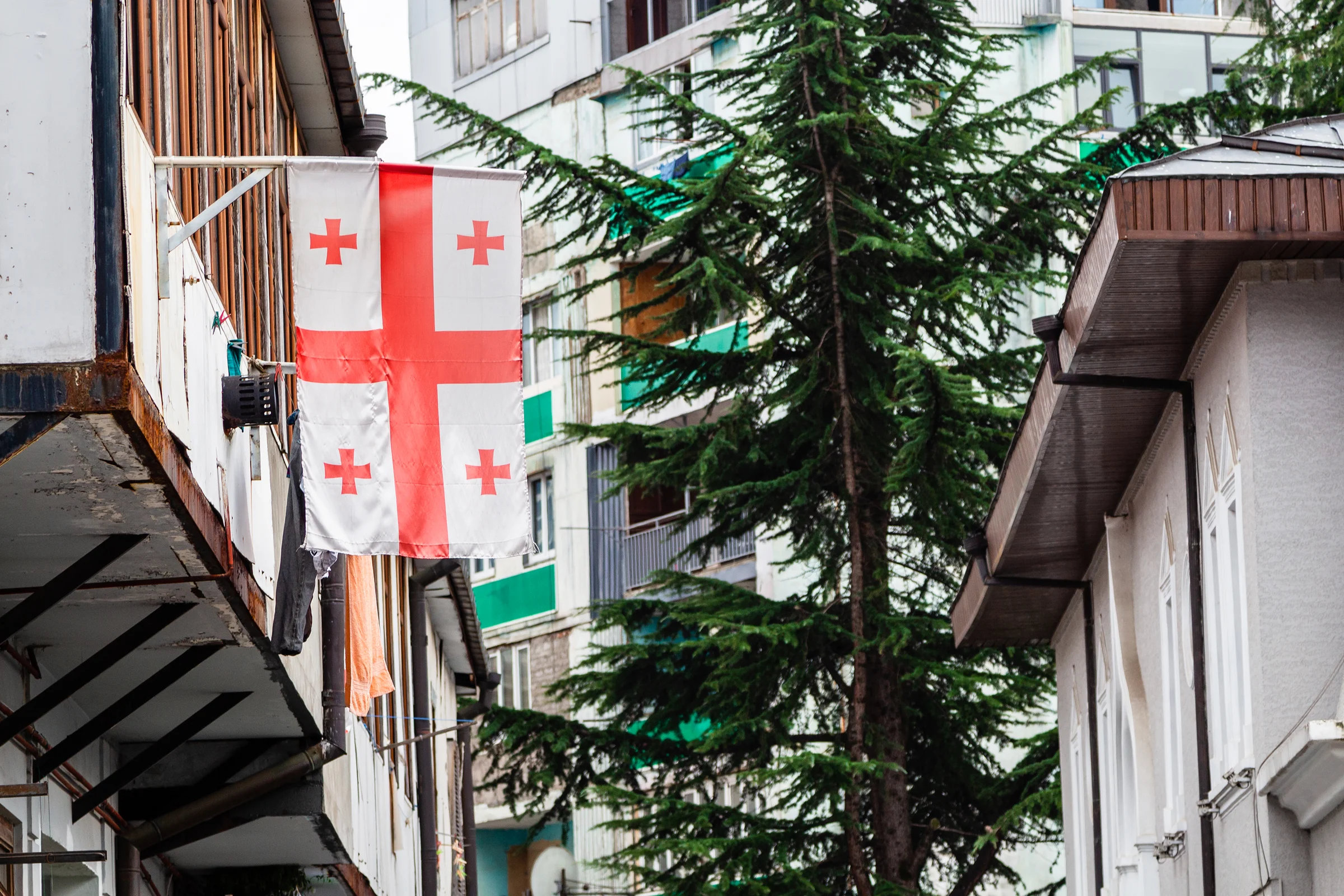
Georgia doesn't hand you a rulebook when you land. Nobody will. Georgians are so aggressively hospitable that they'll forgive practically anything a guest does wrong — and you'll never even know you messed up, because they'd sooner die than tell you.
That's the problem. You can spend two weeks in this country feeling like you nailed every social interaction, while quietly violating half a dozen unspoken codes. The locals will just smile harder.
This guide covers the stuff nobody tells you — the real etiquette, not the "Georgians are friendly" platitudes you've read in every other article. Some of it is charming. Some of it will catch you off guard. All of it will make your trip better if you know it going in.
Hospitality: It's Not Politeness, It's Religion
Georgian hospitality isn't like Western politeness. It's not the "can I get you something?" kind. It's closer to a moral imperative — a deeply held belief that a guest is sent by God and must be treated accordingly. The saying "სტუმარი ღვთისაა" (stumari ghvtisaa) literally means "a guest is from God."
In practice, this means:
- You will be fed until it hurts. A Georgian host measures their honour by the fullness of your plate. An empty plate means they've failed. Pace yourself — the courses don't stop.
- Refusing food is an insult. Not a mild one. You don't have to finish everything, but you must try everything. A polite "I'm full" works after multiple helpings, not after the first bite.
- "No" doesn't mean no. If someone offers you something — food, a ride, their jacket — they expect you to refuse once, and they'll insist. Refuse twice, they insist harder. By the third time, just accept it. This dance is the point.
- Leaving someone's house hungry is a crisis. If a Georgian thinks you left without eating enough, they will genuinely worry about it for days.
The Survival Strategy
Take small portions of everything. Compliment specific dishes. Leave a little on your plate — paradoxically, this shows you were served more than enough. If they try to refill your wine glass and you're done, turn it upside down. They'll still try, but at least you signalled.
Visiting a Georgian Home
Getting invited to someone's home is the single best thing that will happen on your trip. It's also where most of the unwritten rules live.
| Rule | What to Do | Why It Matters |
|---|---|---|
| Shoes off | Remove at the door. Hosts provide slippers. | Universal rule, no exceptions |
| Bring a gift | Wine, chocolate, or sweets. Flowers for women. | Shows respect. Never arrive empty-handed. |
| Flowers: odd numbers | Always bring an odd number (3, 5, 7) | Even numbers are for funerals only |
| Greet elders first | Shake hands with the oldest person first | Age hierarchy is deeply respected |
| Compliment the home | Notice something specific — the garden, a painting | Shows you appreciate their world |
| Don't rush to leave | Plan for 3+ hours minimum | Leaving quickly implies you didn't enjoy yourself |
One thing that catches many visitors off guard: when a Georgian says "come to my house," they mean it literally and immediately. This isn't a vague future invitation like "we should grab coffee sometime." They mean now, or tomorrow at the latest. Don't brush it off — say yes.
Church & Religious Etiquette
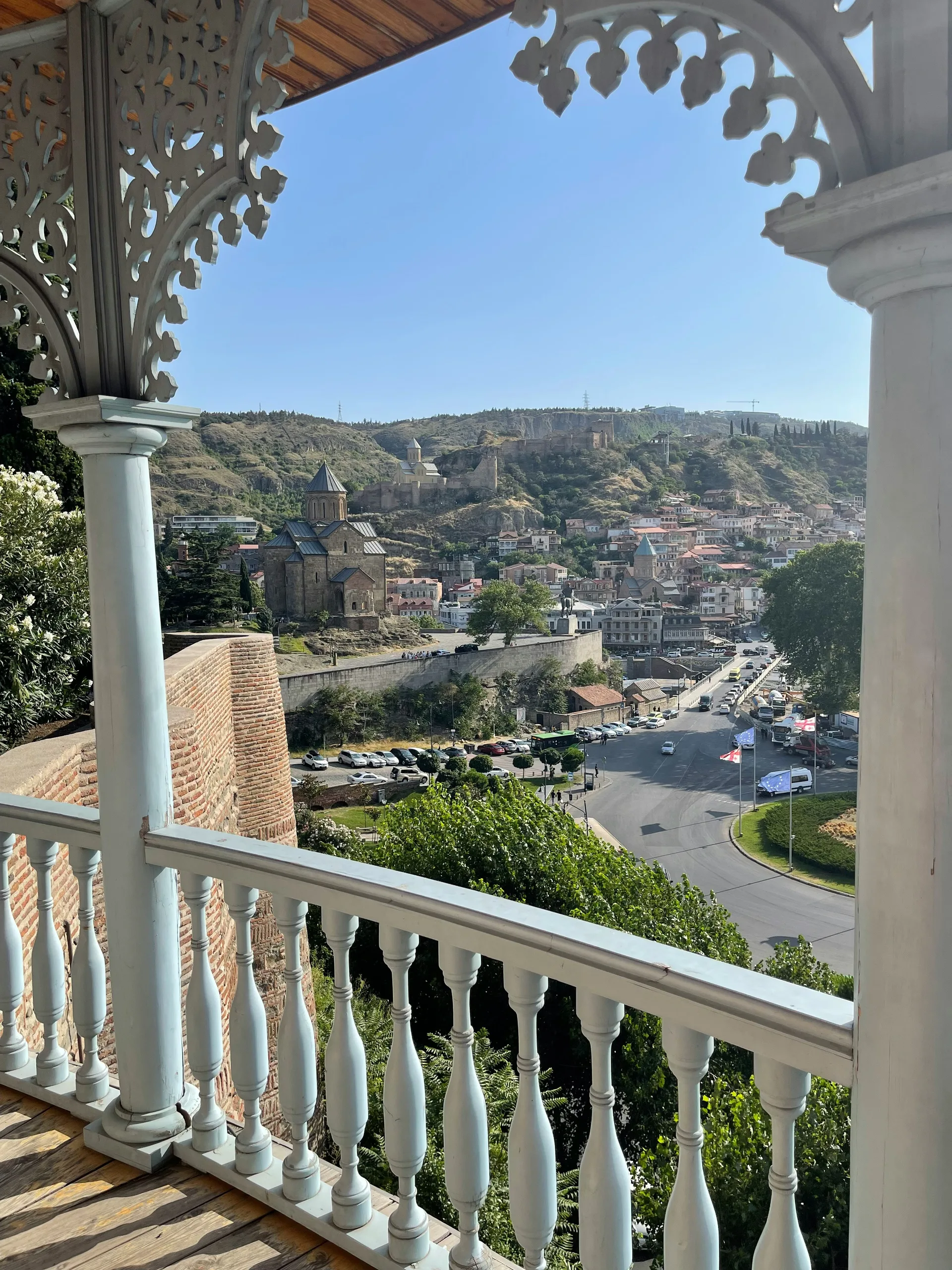
Georgia adopted Christianity in 337 AD — one of the first nations on earth to do so. The Orthodox Church isn't just a religion here; it's intertwined with national identity in ways that are hard to overstate. You'll visit churches. Here's how not to be that tourist.
👩 Women
Cover your head (a scarf is ideal). Cover shoulders and knees. Most churches have loaner scarves at the entrance. Skirts or long pants — no shorts.
👨 Men
Remove hats. Long pants preferred (shorts are technically OK at smaller churches but frowned upon at major ones like Sameba). No tank tops.
📸 Photography
Usually allowed without flash, but NEVER during active services. Ask if unsure. Some monasteries ban photos entirely — look for signs.
🕯️ Candles
You can light candles even as a non-Orthodox visitor. Buy them at the entrance (usually 0.50–1 GEL). Top = for the living. Bottom = for the dead.
Don't Touch the Icons
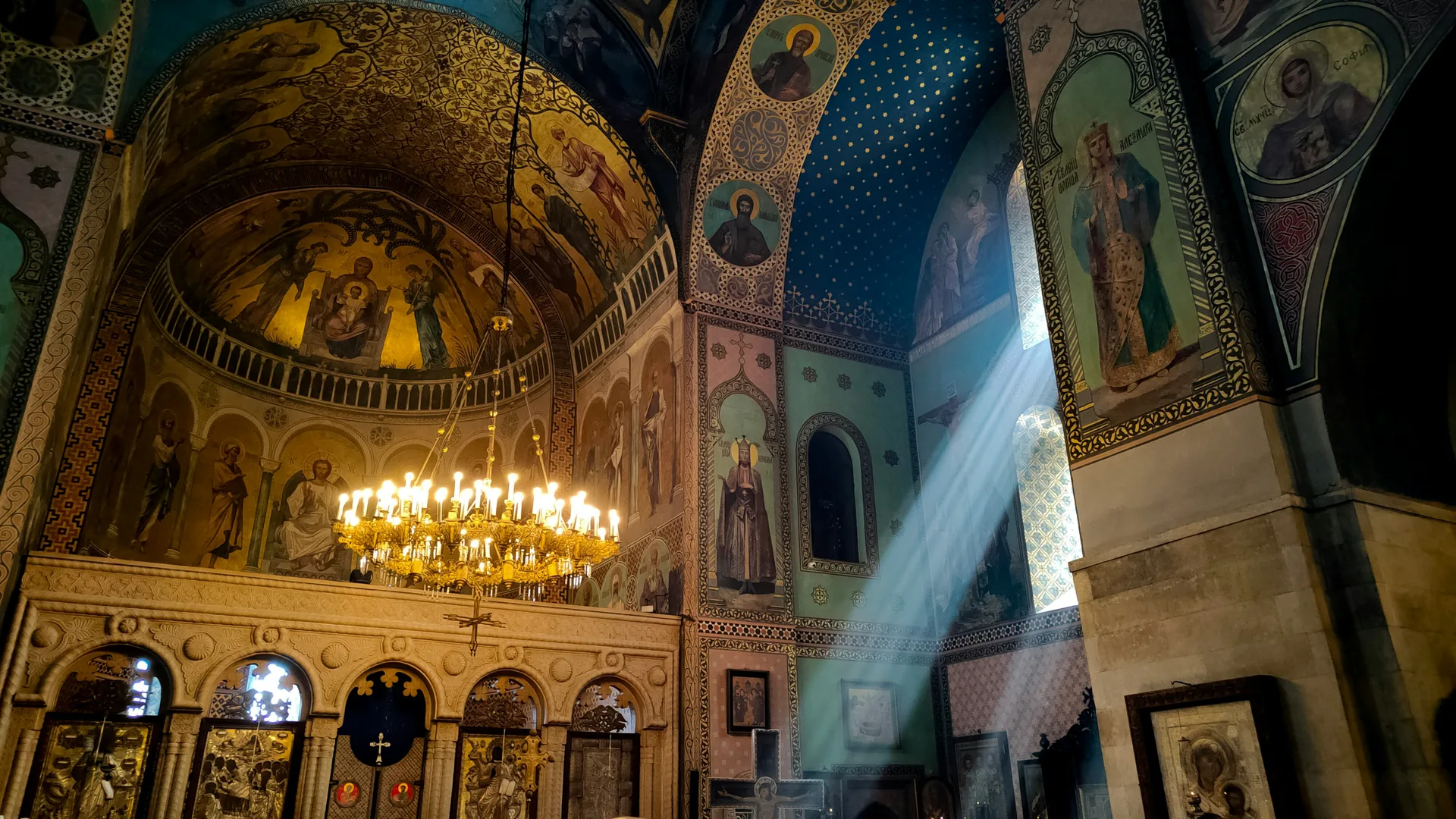
You'll see locals kissing icons and making the sign of the cross. This is a devotional act, not a tourist photo op. You're welcome to observe respectfully, but don't touch or kiss icons unless you're Orthodox. And never, ever walk between a person and the icon they're praying to.
One more thing: Georgian churches are active places of worship, not museums. Even the ancient ones have regular services. If you walk in and a service is happening, you can stay and watch quietly from the back, but don't wander around taking photos. Read the room.
Toasting Culture (Beyond the Supra)
If you've read our complete supra guide, you know the formal toasting protocol. But toasting culture extends far beyond formal feasts — it shows up at casual dinners, in restaurants, even at quick lunches with friends.
| Toast Rule | What It Means |
|---|---|
| Don't sip before the first toast | Wait for the tamada or host to raise their glass first. Drinking before the first toast is disrespectful. |
| Maintain eye contact | When clinking glasses, look the person in the eyes. Breaking eye contact is considered bad form. |
| Don't cross arms when clinking | Reach around, never cross over someone else's arm to clink with a person further away. |
| Beer ≠ toasting drink | Traditionally, toasts are with wine or spirits. Toasting with beer is considered bad luck by some older Georgians. |
| Empty the glass for important toasts | For toasts to deceased loved ones, the dead, or God — drain the whole glass. Sipping is for casual toasts. |
| The toast to the dead is always third | At a formal supra, the third toast honours those who have passed. Stand for this one. Don't clink glasses. |
The Wine Pace Problem
Georgian wine is often served in small clay cups without handles (piala). Each toast traditionally requires draining the cup. With 15–30 toasts per supra, this adds up fast. The graceful survival strategy: pour less wine each time. Nobody's measuring your fill level — they're watching your participation in the toasts.
Body Language & Social Cues
Georgians communicate with their bodies as much as their words. If you come from a culture with strong personal space norms, prepare to recalibrate.
🤝 Physical Closeness
Georgians stand close. Men touch each other's arms, shoulders, and backs constantly during conversation. This is affection, not aggression. Don't retreat.
💋 Greeting Kisses
Close friends and family greet with cheek kisses (usually both cheeks). Men kiss men, women kiss women, and men kiss women. If someone leans in, go with it.
👃 The Nose Touch
Touching the side of your nose means "no" or "not my business." It's not rude — it's casual dismissal. You'll see taxi drivers use it constantly.
🗣️ Volume
Georgians are loud. A group of friends at dinner will sound like they're arguing to Western ears. They're probably just discussing what to order. Don't worry.
👋 Beckoning
To beckon someone, Georgians wave with the palm facing down (the Western "go away" gesture). Palm-up beckoning is considered rude by older generations.
⏰ Time
"Georgian time" is real. A 7 PM dinner might start at 8. A "quick meeting" lasts two hours. Don't take it personally — time is simply more flexible here.
Gift-Giving Customs
Georgians give and receive gifts with genuine warmth. There are, however, some rules that are easy to get wrong.
| Occasion | Good Gifts | Avoid |
|---|---|---|
| Visiting a home | Wine, chocolate, sweets, pastries | Cheap wine (they'll know), kitchen tools (implies bad cooking) |
| Flowers for women | Roses, lilies, mixed bouquets (odd numbers) | Yellow flowers (associated with separation), even numbers |
| Something from your country | Local specialty food, unique liquor, branded items | Generic souvenirs ("I ❤ London" mugs) |
| Children | Toys, books, candy | Nothing — ignoring kids when visiting is noticed |
| New baby | Gold jewellery (traditional), baby clothes, cash in card | Gifts before the baby is born (considered bad luck) |
The Polite Refusal Dance
When giving a gift, expect it to be refused at first — "Oh no, you shouldn't have!" This is performative modesty, not genuine rejection. Insist warmly. They'll accept on the second or third try. The same applies in reverse: if they give you something and you try to refuse, they will insist. Accept gracefully. This entire dance is a bonding ritual.
Family, Gender & Elders
Georgian society revolves around family. Not the nuclear kind — the extended, multi-generational, grandma-lives-upstairs, uncle-drops-by-daily kind. Understanding family dynamics explains most of what you'll observe.
| Dynamic | What You'll See | Context |
|---|---|---|
| Elder respect | Younger people stand when elders enter. They pour wine for them first. | Age hierarchy is non-negotiable. Contradicting an elder publicly is a serious faux pas. |
| Gender roles | Women often serve food at family gatherings. Men dominate public/political conversations. | More traditional than most of Europe, but evolving fast in Tbilisi. Rural areas are more conservative. |
| Children | Kids are everywhere, included in everything, and slightly spoiled (by Western standards). | Georgia is extremely child-friendly. Kids stay up late, eat at restaurants, and are adored by strangers. |
| Living at home | Adult children (especially sons) often live with parents until marriage, sometimes after. | This isn't failure to launch — it's the cultural norm. Multi-generational households are standard. |
| Marriage | Expected. Questions about your marital status start within 10 minutes of meeting someone. | Not nosy — genuinely caring. Being single at 30+ generates well-meaning concern. |
Sensitive Topics to Navigate
Georgia is a welcoming country, but some topics require care. Not because Georgians will explode at you — they'll just get very, very quiet, which is worse.
🇷🇺 Russia
The 2008 war is living memory. Russia occupies 20% of Georgian territory. Don't casually compare Georgia to Russia, ask if Georgians speak Russian (many do, but asking implies subjugation), or suggest the conflict is "complicated." For Georgians, it's not complicated.
🏳️🌈 LGBTQ+
Georgia is socially conservative on this. Public displays of affection between same-sex couples will attract attention outside of Tbilisi's most progressive circles. Not endorsing this — just being honest about the reality.
🗺️ Abkhazia & South Ossetia
These are occupied territories, not "breakaway regions." Using the wrong framing in conversation will land badly. If you've visited either from the Russian side, maybe don't lead with that.
🏛️ Politics
Georgians love political debate (loudly), but as a foreigner, tread carefully. The EU/NATO question is emotional. Listen more than you speak. Most Georgians will share their views unprompted — you won't need to ask.
Everyday Etiquette: The Small Stuff
The big cultural moments are easy to spot. It's the daily micro-interactions where visitors accidentally stumble.
| Situation | Do | Don't |
|---|---|---|
| Taxis | Use Bolt or Yandex. Agree on price before getting in for street taxis. | Ask to use the meter (they don't have them, or they "don't work") |
| Tipping | 10% at restaurants is appreciated but not expected. Round up for taxis. | Over-tip wildly (distorts local norms) or stiff a server who was great |
| Bread | Bread is almost sacred. Eat it. Tear it, don't cut it. | Throw bread away in front of Georgians (seriously) |
| Shoes on transport | Keep feet off seats. Don't point your soles at people. | Put your feet up on the bus/marshrutka seat |
| Crossing the street | Follow locals. Make eye contact with drivers. Assert yourself. | Wait politely for cars to stop at crosswalks — some never will |
| Smoking | Ask before lighting up in someone's home | Smoke inside restaurants (banned since 2018, but some don't enforce) |
| Queuing | Be assertive. Queuing culture is... flexible. | Expect orderly British-style lines (you'll wait forever) |
Bread Is Not Just Bread
In Georgian culture, bread (პური, puri) has near-spiritual significance. Wasting bread is considered genuinely sinful by many. If you see bread on the ground, some Georgians will pick it up and place it on a ledge rather than let it stay on the floor. When you're served shotis puri at a meal, tear off pieces — don't cut it with a knife.
Music, Dance & Polyphonic Singing
Georgian polyphonic singing is on UNESCO's Intangible Cultural Heritage list, and hearing it live is one of those travel moments that genuinely stops you in your tracks.
Unlike Western harmony where voices blend into one sound, Georgian polyphony uses three or four independent vocal lines that weave around each other in ways that feel ancient and slightly otherworldly. No instruments needed — just voices bouncing off stone church walls. It's been practiced for at least 1,500 years, possibly longer.
You'll encounter it at:
- Supras — After enough wine, someone will start singing. Others join. It's spontaneous and real.
- Churches — Some services feature liturgical polyphony that will give you chills.
- Tourist performances — Restaurants in Tbilisi's Old Town sometimes have groups performing. Quality varies wildly — the best ones feel like time travel, the worst are karaoke in costume.
- Festivals — Art-Gene Festival (Tbilisi Sea) and various regional festivals feature authentic performances.
Georgian dance is equally powerful. The national dance, Kartuli, is a love story told through movement — the woman glides like she's floating while the man leaps and spins around her without ever touching her. If you see it performed well, by professionals, it's breathtaking. The Khevsuruli (warrior dance) involves actual swords and choreographed combat that looks genuinely dangerous because it sometimes is.
Superstitions & Beliefs
Georgians maintain a collection of superstitions that are somewhere between deeply held belief and comfortable habit. Nobody will quiz you on them, but knowing a few explains behaviours you'll otherwise find puzzling.
| Superstition | What It Means |
|---|---|
| Don't whistle indoors | It blows money away. Seriously — if you whistle in someone's house, they may ask you to stop. |
| Don't sit on cold surfaces | Especially women. Sitting on cold stone/concrete is believed to cause kidney problems and infertility. You'll see cardboard placed on park benches. |
| Spill wine = good luck | Accidentally spilling wine during a toast is considered a good omen. Don't apologize — celebrate. |
| Evil eye (თვალი) | Complimenting someone's child too effusively can invite the evil eye. Some Georgians will spit lightly ("tfu tfu tfu") to ward it off. |
| Don't give baby gifts early | Buying baby clothes/furniture before the baby is born is bad luck. Wait until after birth. |
| Broken mirror = 7 years | Same as in many cultures, but taken more seriously here. |
| Don't step on the threshold | Step over it. The threshold of a home is symbolically significant — stepping on it brings bad energy. |
Common Mistakes Visitors Make
❌ Calling Georgia "part of Russia"
Georgia is an independent nation with 3,000+ years of distinct culture, its own alphabet, and very strong feelings about not being Russian. Don't confuse them.
❌ Refusing food repeatedly
One polite refusal is fine. Repeatedly saying no to food or drink signals you don't trust or respect your host. Take a little, eat a little, say it's delicious.
❌ Showing up to church in shorts
Especially at Mtskheta, Gergeti Trinity, or Sameba. You might get turned away, or worse, not turned away but silently judged.
❌ Drinking before the first toast
At any meal with locals. Even at a casual restaurant dinner. Wait for someone to raise their glass. It's the most commonly broken rule by tourists.
❌ Over-bargaining at markets
Georgia isn't a haggling culture like Turkey or Morocco. Prices at markets are generally fair. Gentle negotiation is OK for large purchases, but nickel-and-diming a vendor over 0.50 GEL is poor form.
❌ Whistling indoors
You'll get a genuine, concerned reaction. Especially from older Georgians. It whistles your money away. Just... don't.
Tbilisi vs. The Rest of Georgia
Everything above applies everywhere, but the intensity varies dramatically between Tbilisi and rural areas.
| Aspect | Tbilisi | Rural Georgia |
|---|---|---|
| Dress code | Relaxed. Shorts, crop tops, whatever. | Conservative. Cover shoulders and knees, especially women. |
| English spoken | Widely among under-40s | Rarely. Some Russian helps. Georgian phrases help more. |
| Hospitality intensity | Warm, but urban-paced | Extreme. A stranger may invite you home for a full supra. |
| Gender norms | Increasingly progressive | Traditional. Women cooking/serving, men drinking/debating. |
| Religion | Present but relaxed | Central to daily life. Church attendance high. |
| Superstitions | Young people roll their eyes at some | Taken seriously. Don't whistle. Don't sit on cold stone. |
Frequently Asked Questions
Is Georgia safe for solo female travelers?
Yes, generally very safe. Georgian men can be forward with compliments but are rarely threatening. Our safety guide covers this in detail. Standard precautions apply — especially at night in less-lit areas.
Do I need to learn Georgian to visit?
No, but learning a few basic phrases (gamarjoba, madloba, gaumarjos) will delight every Georgian you meet. English works in Tbilisi. Outside of it, Google Translate and gestures are your friends.
What should I wear?
In Tbilisi, anything goes. Outside the capital, lean conservative — shoulders covered, pants or long skirts. Always carry a headscarf for church visits. Check our packing guide for specifics.
Can I refuse alcohol at a supra?
Yes, but do it right. Say you're driving, on medication, or don't drink (health reasons carry weight). Fill your glass with water or lemonade and participate in toasts with that. The key is participating in the ritual, not the alcohol specifically.
Are Georgians offended by comparisons to Russia?
Offended is mild. Georgia fought a war with Russia in 2008 and 20% of its territory remains under Russian occupation. Georgians have their own language, alphabet, religion, and 3,000+ years of distinct culture. It's like asking a Canadian if they're American, but with actual military conflict involved.
Written by The Georgian Guide Team
Based in Tbilisi with years of navigating Georgian social life — from surviving supras to learning the hard way that you never, ever whistle indoors.
Last updated: February 2026.
Related Articles
The Georgian Supra: Complete Guide
Everything about the tamada, the toasts, and surviving the feast.
What to Eat in Georgia
The essential dishes every visitor should try.
60+ Essential Georgian Phrases
Key words and pronunciation for travelers.
Is Georgia Safe?
Safety, scams, and what to actually worry about.