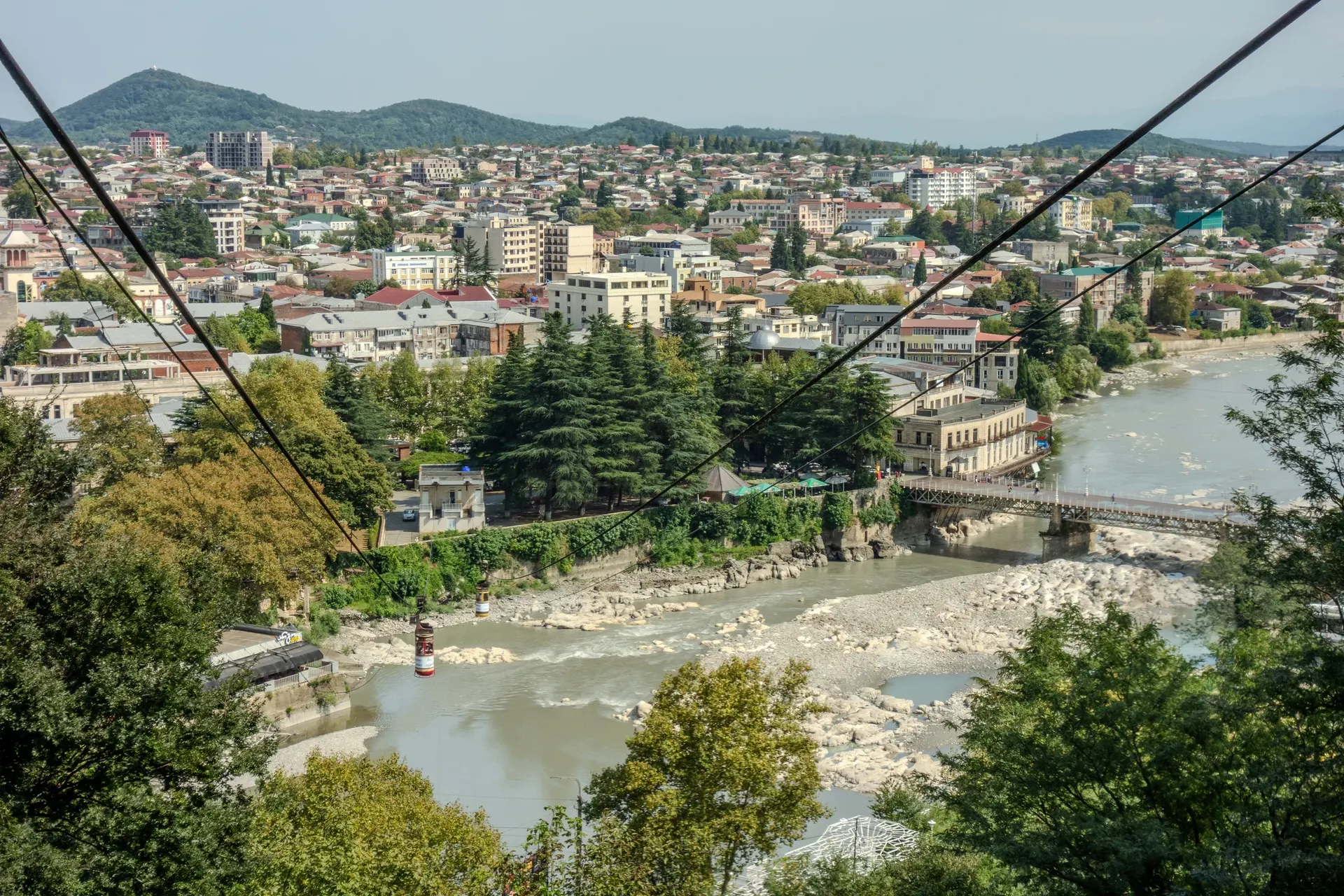
Most travelers treat Kutaisi as a layover. They land at the Wizz Air airport, spend a night, and rush to Tbilisi or the mountains. That's a mistake. Kutaisi is arguably the most charming city in Georgia — smaller, greener, and more authentically Georgian than the capital. It's also home to one of the country's four UNESCO sites, surrounded by canyons and caves, and serves the best khachapuri you'll eat anywhere.
Georgia's third-largest city (population ~150,000) has been continuously inhabited for over 3,500 years. The ancient Greeks knew it as Aia — the legendary capital of Colchis, where Jason and the Argonauts came searching for the Golden Fleece. That mythic status isn't just a historical footnote. You can feel the weight of it walking along the Rioni River, past crumbling stone houses draped in grapevines, up to a cathedral that's stood on its hilltop since the 11th century.
But Kutaisi isn't a museum. It's a living, breathing city with an increasingly good restaurant scene, great coffee, lush parks, and a pace of life that makes Tbilisi feel frantic. If you only visit one city outside the capital, make it this one.
Quick Facts
Why Visit Kutaisi
Kutaisi has a different energy than Tbilisi. Where the capital is cosmopolitan, fast-paced, and increasingly touristy, Kutaisi still feels like a secret. The local Imeretians will tell you (with a straight face) that their city is "the real Georgia" — less Persian influence than Tbilisi, less Turkish than Batumi. They have a point. Imereti sits in the geographic and cultural center of the country.
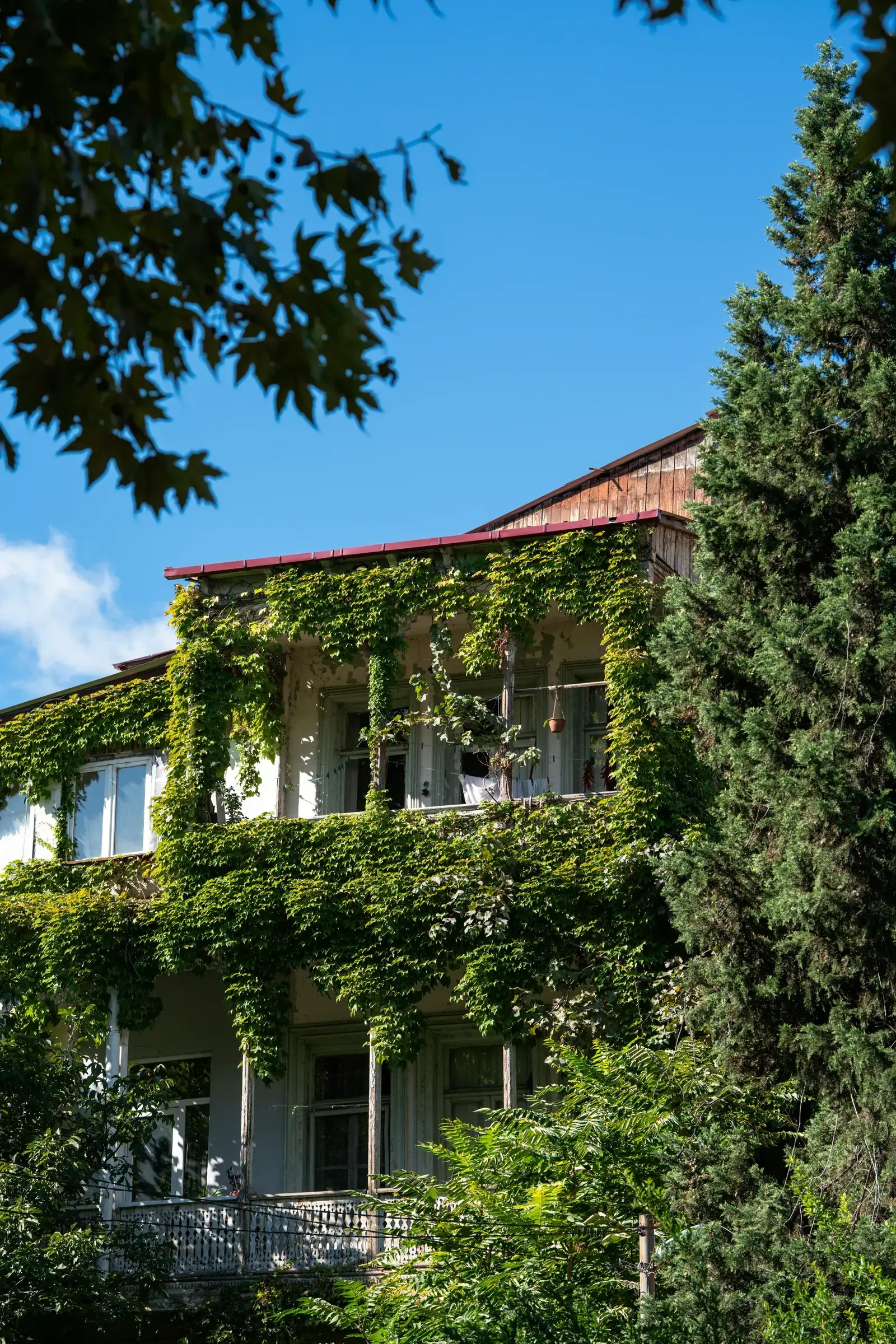
The city itself is compact enough to walk everywhere. The Rioni River cuts through the middle, flanked by stone houses with wooden balconies that lean at angles suggesting sheer stubbornness is the only thing keeping them upright. In spring, the streets smell like magnolias and wisteria. In autumn, the plane trees along the boulevards turn gold and the light gets that honey quality that makes everything look like a painting.
🏛️ Ancient History
Capital of the Kingdom of Colchis, connected to the Golden Fleece myth. Named a UNESCO Creative City of Literature in 2023.
🏔️ Perfect Base Camp
Strategically located for Svaneti, Racha, the Black Sea coast, Prometheus Cave, Martvili Canyon, and Tskaltubo.
✈️ Budget Gateway
Wizz Air flights from across Europe land here — often the cheapest way to get to Georgia.
🧀 Food Capital
Birthplace of khachapuri Imeruli — the most beloved version of Georgia's famous cheese bread. The local cuisine is distinct from eastern Georgia.
Things to Do in Kutaisi
Gelati Monastery (UNESCO)
Gelati is the headline attraction, and it earns the billing. Founded in 1106 by King David the Builder, this monastery complex was the medieval equivalent of a university — one of the most important centers of learning in the entire Caucasus. The frescoes inside the Church of the Virgin are extraordinary: a massive mosaic of the Virgin and Child in the apse, surrounded by saints rendered in gold and blue that have barely faded in 900 years.
The complex sits on a green hillside about 20 minutes from central Kutaisi. A taxi costs around 12 GEL via Bolt (or 15–20 GEL negotiated). David the Builder is buried here, beneath a stone at the south gate — he requested that every person entering the monastery would walk over his grave as a sign of humility.
Restoration Work
As of early 2026, Gelati has been undergoing extensive rehabilitation. The complex may only be open to visitors on certain days (typically Sundays). Check locally before making the trip.
Bagrati Cathedral
Perched on Uk'imerioni Hill overlooking the city, Bagrati Cathedral dates to the early 11th century and was one of Georgia's most significant medieval structures. It was partially destroyed in a 1691 Ottoman explosion and sat in ruins for centuries before a controversial reconstruction in 2012. The rebuild — which used modern materials alongside the original stone — cost Bagrati its UNESCO status, but the cathedral remains a powerful landmark and the best viewpoint in the city.
The walk up from the city center takes about 15 minutes and passes through residential streets where you'll see daily life that hasn't changed much in decades: grandmothers selling herbs from their gardens, kids playing in courtyards, cats everywhere.
The Green Bazaar (Baidi Bazaar)
Kutaisi's central market is one of the best in Georgia — less polished than Tbilisi's Dezerter Bazaar but more authentic. The ground floor is a riot of fresh produce, churchkhela, spices, and home-pressed walnut oil. The surrounding streets have butchers, bakers, and the occasional Soviet-era hairdresser that looks frozen in 1978.
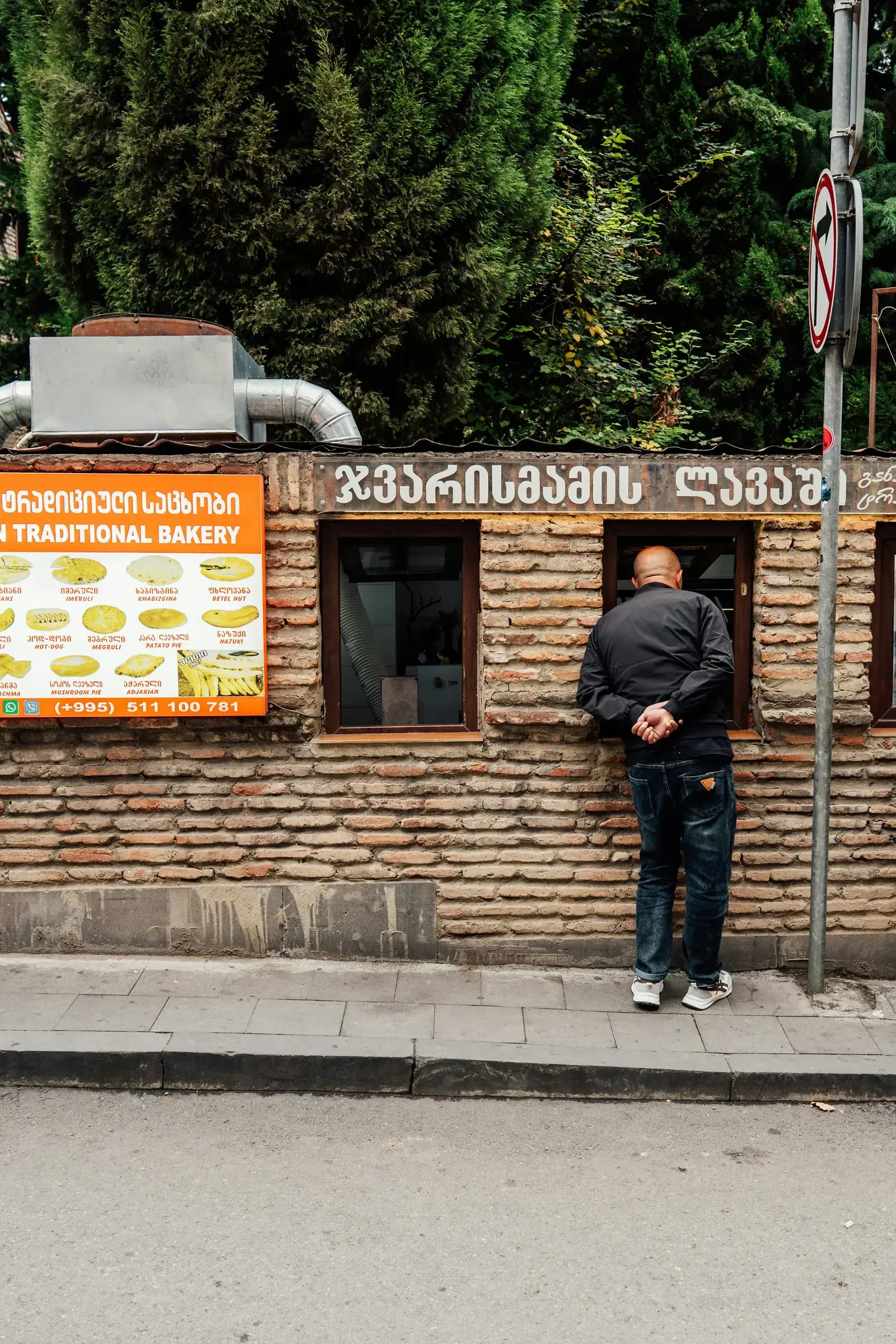
Come hungry. Vendors will offer samples of everything — fresh cheese, tkemali (sour plum sauce), dried fruits, honey. The lobiani (bean-stuffed bread) from the small bakeries around the market is consistently excellent. Budget 5–10 GEL for a massive breakfast.
The Rioni River and White Bridge
The Rioni is Kutaisi's soul. The milky-green river (it gets its color from mountain glaciers upstream) cuts through the city center, and walking along its banks is the best way to understand the city's layout. The White Bridge (Tetri Khidi), a pedestrian bridge near Colchis Fountain, is the classic meeting point and photo spot.
On warm evenings, the river promenade fills with families, couples, and groups of old men playing backgammon. It's the kind of scene that makes you realize how much of Georgian social life happens outdoors.
Colchis Fountain and Central Square
The main square features a large fountain decorated with golden replicas of ancient Colchian artifacts — golden animals, jewelry, and figures found during archaeological excavations around western Georgia. It's flashy and a bit over-the-top, which is very much in keeping with Georgian civic pride. The square is surrounded by cafes and is the starting point for most walks around the city center.
Cable Car Ride
Kutaisi's Soviet-era cable car has been revived and now carries passengers from the city center up to a park area with panoramic views over the city and the Rioni valley. The ride takes about five minutes and costs next to nothing. On a clear day, you can see the snow-capped peaks of the Greater Caucasus to the north.
Motsameta Monastery
Often visited alongside Gelati (it's only 3 km away), Motsameta is a small monastery perched dramatically on a cliff above a forested gorge. The setting is stunning — the gorge below is thick with trees and the river winds through green canyon walls. The monastery itself is modest, but the location alone makes it worth the stop.
There's a local tradition: crawl under the stone tomb inside the church three times and make a wish. You'll see Georgian families doing this, children included.
Kutaisi Historical Museum
Small but well-curated, this museum on the main street has archaeological finds from the Colchian period, medieval artifacts, and ethnographic displays about Imeretian life. The Golden Fleece connection gets proper treatment here, with displays of actual Bronze Age gold artifacts that contextualize the myth.
Walking Kutaisi
The entire city center is walkable in a few hours. Start at Colchis Fountain, walk through the Green Bazaar, cross the White Bridge, climb to Bagrati Cathedral for sunset views, then descend through the old residential streets back to the river. That's Kutaisi in a nutshell.
Best Day Trips from Kutaisi
Kutaisi's real superpower is its location. It's the best base in Georgia for reaching the western half of the country, and several of the best day trips are within an hour's drive.
| Destination | Distance | Highlights |
|---|---|---|
| Prometheus Cave | 20 km (30 min) | Massive illuminated cave system with boat ride on underground river. Georgia's most-visited natural attraction. |
| Martvili Canyon | 55 km (1 hr) | Emerald canyon with boat tours through narrow gorge. Stunning in spring. Gets crowded in summer. |
| Okatse Canyon | 42 km (50 min) | Suspended walkway high above a deep canyon. Not for those afraid of heights. Less crowded than Martvili. |
| Tskaltubo | 9 km (15 min) | Abandoned Soviet sanatoriums — Stalin's personal spa town. Hauntingly beautiful Soviet architecture being reclaimed by nature. |
| Chiatura | 60 km (1.5 hr) | Soviet mining town with an incredible network of cable cars. Gritty, atmospheric, unforgettable. |
| Sataplia Nature Reserve | 10 km (15 min) | Dinosaur footprints, small cave, and a glass walkway with views over Colchis lowland forest. |
| Gelati + Motsameta | 11 km (20 min) | UNESCO monastery + cliffside monastery. Can combine both in a half-day. |
| Kinchkha Waterfall | 50 km (1.5 hr) | One of Georgia's tallest waterfalls (100m+), set in a dramatic rock amphitheater. Combine with Okatse Canyon. |
Getting to Day Trips
Most day trips require a car or taxi. Bolt works in Kutaisi but drivers are scarce outside the city. Your best bet is to negotiate a day rate with a local taxi driver (100–150 GEL for a full day) or book through your guesthouse. Marshrutkas serve some destinations but schedules are unreliable.
Food and Drink
Imeretian cuisine is distinct from eastern Georgian food, and Kutaisi is the best place to try it. The cooking here relies more on fresh herbs, walnuts, and cheese, and less on the heavy meat dishes that dominate in Tbilisi and Kakheti.
What to Eat
| Dish | What It Is | Price |
|---|---|---|
| Khachapuri Imeruli | Round, soft cheese bread — the original and best version. Fresh Imeretian cheese is tangier than the stuff used in Tbilisi. | 3–6 GEL |
| Gebzhalia | Cheese rolls in a minty yogurt sauce. Light, refreshing, unique to Imereti. | 4–7 GEL |
| Elarji | Thick cornmeal porridge stretched with sulguni cheese until it's elastic and gooey. Comfort food at its finest. | 5–8 GEL |
| Kupati | Spicy pork sausages grilled over coals. Better in western Georgia than anywhere else. | 4–8 GEL |
| Lobiani | Bean-stuffed bread. Simple, cheap, filling. The market bakeries do it best. | 2–4 GEL |
| Megrelian Khachapuri | Like Imeruli but with extra cheese melted on top. Heavier but addictive. | 5–8 GEL |
Where to Eat
Doli (at Communal Hotel)
Kutaisi's best restaurant. Modern Imeretian cuisine in a beautifully restored building. Their gebzhalia and elarji are benchmark quality. Reservations recommended.
Palaty
Wine bar and restaurant in a historic building. Good natural wine selection and elevated Georgian dishes. The terrace is lovely in warm weather.
Green Bazaar Bakeries
Skip the sit-down restaurants for breakfast and head to the market. Fresh lobiani and khachapuri straight from the tone oven for almost nothing.
Sachas Cafe
Best specialty coffee in Kutaisi, with a hipster-cozy vibe. Good pastries and a young crowd. The kind of place that didn't exist here five years ago.
Imeretian Wine
Imereti is Georgia's second-biggest wine region. Unlike Kakheti's amber qvevri wines, Imeretian winemakers traditionally use qvevri with less skin contact, producing lighter, more European-style whites. The local grapes — Tsolikouri, Tsitska, and Krakhuna — are worth seeking out. Several excellent wineries operate within 30 minutes of the city.
Where to Stay
Kutaisi accommodation is excellent value. A comfortable guesthouse or hotel costs a fraction of what you'd pay in Tbilisi, and the hospitality is often even warmer — this is Imereti, after all, where feeding guests is practically a competitive sport.
| Accommodation | Type | Price/Night | Best For |
|---|---|---|---|
| Communal Kutaisi | Boutique hotel | $60–100 | Best overall experience — restaurant, pool, design |
| Rotel Boutique Hotel | Micro-hotel | $25–45 | Stylish on a budget, natural wine bar in lobby |
| Newport Hotel | Mid-range hotel | $35–60 | Central location, rooftop terrace, reliable |
| Family guesthouses | Guesthouse | $15–30 | Authentic experience, home-cooked meals, local connection |
Getting There and Around
From Tbilisi
| Transport | Duration | Price | Notes |
|---|---|---|---|
| Marshrutka | 3.5–4 hours | 15 GEL | From Didube station, every 30 min. Most convenient option. |
| Train | 5–5.5 hours | 10–18 GEL | Scenic but slow. Go to Rioni station (faster, more frequent) not Kutaisi I. |
| Shared taxi | 3 hours | 25–30 GEL | From Didube. Faster but less comfortable. Georgian driving applies. |
| Private taxi (Bolt) | 3 hours | 100–140 GEL | Most comfortable. Pre-book via Bolt or GoTrip. |
From Kutaisi Airport
Kutaisi International Airport is about 20 km west of the city. A shuttle bus runs 24/7 to the city center (5 GEL, every other hour, timed to flights). Pre-booking a private transfer through GoTrip or similar services costs around 30–40 GEL and saves you the wait.
Getting Around Kutaisi
The city center is entirely walkable — you can cross it in 20 minutes. City buses cost 0.60 GEL per ride. The #1 blue bus loops between Colchis Fountain, Green Bazaar, the bus station, and the railway station, which covers most tourist needs. Bolt works but drivers are fewer than in Tbilisi, so you may wait longer.
Best Time to Visit
Kutaisi sits in western Georgia where the climate is warmer and more humid than Tbilisi. This matters more than you'd think — summer here can be sweltering.
| Season | Temp Range | Verdict |
|---|---|---|
| Spring (Apr–May) | 14–24°C | Best time. Magnolias blooming, warm but not hot, fewer tourists. Kutaisoba festival on May 2. |
| Summer (Jun–Aug) | 22–35°C | Hot and humid. July–August can be oppressive. Canyons crowded. Only visit if you handle heat well. |
| Autumn (Sep–Nov) | 12–25°C | Excellent. Golden light, warm through October, wine harvest season. Our favorite time. |
| Winter (Dec–Feb) | 1–10°C | Mild but grey and wet. Occasional snow. Christmas lights are charming. Some canyon attractions closed. |
Budget Guide
Daily Budget in Kutaisi
Kutaisi vs Tbilisi Prices
Everything in Kutaisi is 20–40% cheaper than Tbilisi. Accommodation, restaurants, taxis — the gap is significant. A mid-range dinner for two that would cost 80–100 GEL in Tbilisi runs 50–70 GEL here.
Suggested Itinerary
Day 1: The City
Morning at the Green Bazaar for breakfast. Walk the river promenade and cross White Bridge. Climb to Bagrati Cathedral for panoramic views. Afternoon in the old residential streets. Dinner at Doli.
Day 2: Monasteries + Cave
Morning taxi to Gelati and Motsameta monasteries. Afternoon at Prometheus Cave (book ahead in summer). Return via Sataplia if time allows.
Day 3: Canyon Day
Full day trip to Martvili Canyon (or Okatse Canyon + Kinchkha Waterfall if you prefer fewer crowds). Pack lunch or eat at roadside restaurants.
Day 4: Soviet Relics
Morning at Tskaltubo's abandoned sanatoriums (haunting and photogenic). Afternoon in Chiatura for the cable cars and town views. Long day but unforgettable.
Practical Tips
| Topic | Details |
|---|---|
| Language | Less English spoken than Tbilisi. Download Google Translate offline. Russian is widely understood by older locals. Learning a few Georgian words goes far. |
| Cash | Cards accepted in most restaurants and hotels. The bazaar and small shops are cash-only. ATMs around Colchis Fountain. |
| SIM card | Magti and Beeline stores near the center. Same setup as Tbilisi — bring your passport. |
| Safety | Very safe. Petty crime is rare. Stray dogs are friendly. Watch for aggressive driving — same as everywhere in Georgia. |
| Humidity | Western Georgia is noticeably more humid than Tbilisi. Pack accordingly in summer. Light, breathable clothing is essential. |
| Walking shoes | The streets are uneven (charmingly so). Heels are a bad idea. Comfortable walking shoes are essential. |
Common Mistakes
❌ Treating It as a Layover
One night isn't enough. You need at least 2–3 days for the city plus day trips. Four days is ideal.
❌ Skipping the Bazaar
The Green Bazaar is Kutaisi's heartbeat. Going to a restaurant for breakfast when the market exists is a missed opportunity.
❌ Only Doing Gelati
Gelati is great, but the real magic is in the day trips — Tskaltubo, Chiatura, the canyons. Don't just check one monastery and leave.
❌ Coming in July/August
The humidity in peak summer is brutal. Spring and autumn are dramatically more pleasant.
❌ Not Negotiating Day Trips
Agree on a price before getting in a taxi for a day trip. Ask your guesthouse for help — they usually know the going rates.
❌ Comparing It to Tbilisi
Kutaisi is a different experience entirely. If you expect Tbilisi-level nightlife or international restaurants, you'll be disappointed. Embrace the slower pace.
Frequently Asked Questions
How many days do you need in Kutaisi?
Two days minimum — one for the city, one for a day trip. Three to four days is ideal to see the monasteries, a canyon or two, and either Tskaltubo or Chiatura.
Is Kutaisi worth visiting or should I go straight to Tbilisi?
Absolutely worth visiting, especially if you're flying into Kutaisi airport. The city and surrounding area offer a completely different experience from Tbilisi — more relaxed, greener, and more authentically western Georgian.
Can I visit Kutaisi as a day trip from Tbilisi?
Technically yes, but it's a 3.5-hour drive each way. You'd spend 7 hours driving for a few hours in the city. Not recommended. Stay overnight.
Is Kutaisi safe for solo travelers?
Very safe. It's smaller and quieter than Tbilisi with essentially no tourist-targeted crime. Women traveling alone report feeling comfortable walking at night.
Where should I go after Kutaisi?
Svaneti (Mestia/Ushguli) is the most popular onward destination. Batumi and the coast are 2–3 hours west. Racha, Georgia's least-visited wine region, is a hidden gem to the north.
Written by The Georgian Guide Team
Based in Georgia for over five years, we've spent countless weekends in Kutaisi and the Imereti region — exploring the monasteries, eating our way through the bazaar, and discovering the canyons and Soviet relics that make western Georgia special.
Last updated: February 2026.
Related Articles
Svaneti Travel Guide
Mestia, Ushguli, and the medieval towers of Georgia's most dramatic mountain region.
Batumi: The Complete Guide
Georgia's Black Sea resort city — beaches, nightlife, and subtropical gardens.
Best Day Trips from Tbilisi
Monasteries, mountains, and wine country within easy reach of the capital.
Georgian Wine Culture
8,000 years of winemaking tradition, from qvevri to amber wine.