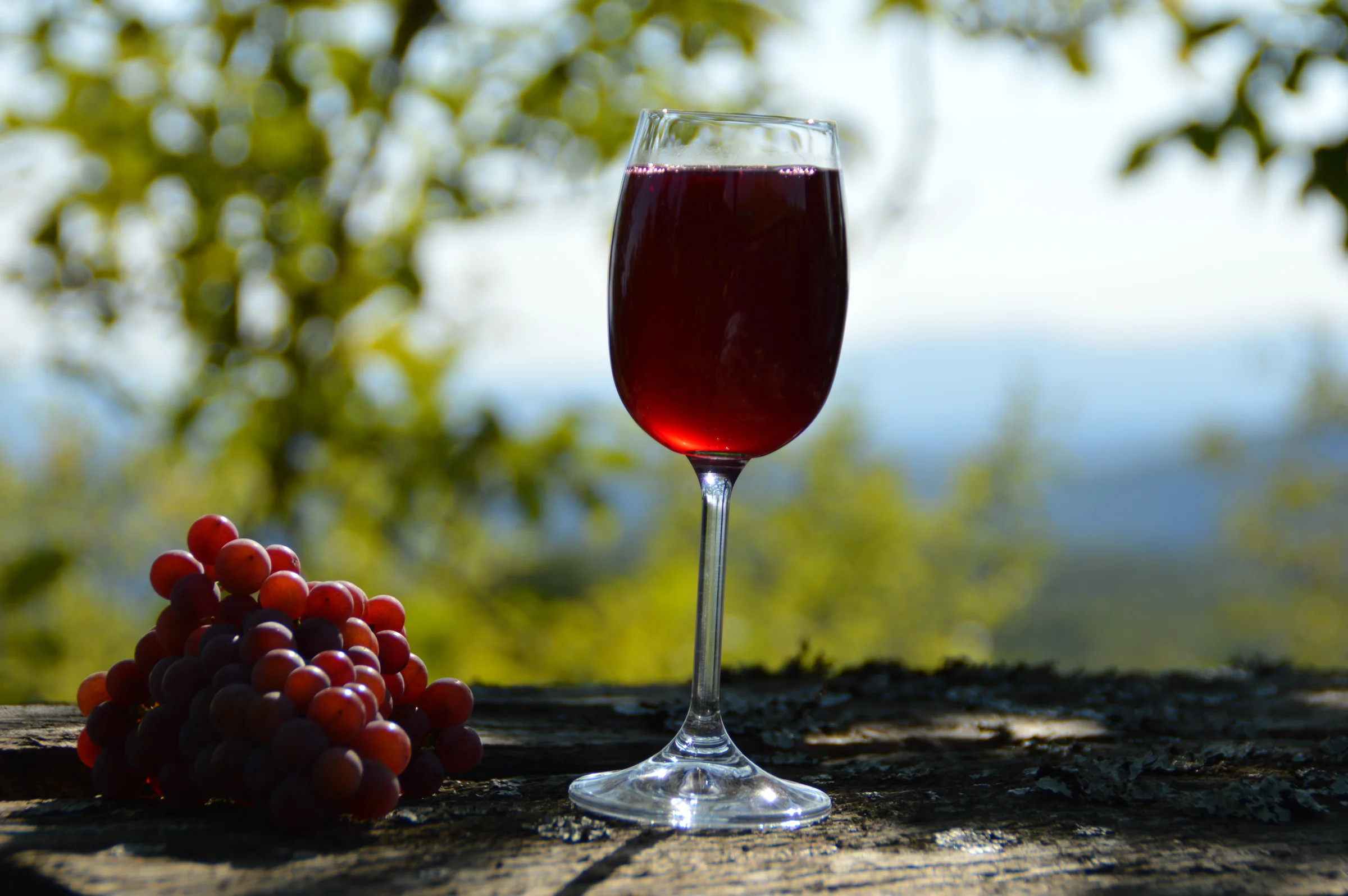
The Alazani Valley doesn't hit you all at once. You come over the Gombori Pass, or you crest the hill above Sighnaghi, and suddenly there it is — vineyards stretching to the horizon, the Caucasus mountains white and impossibly close behind them, and you realize you're looking at 8,000 years of unbroken winemaking tradition laid out like a postcard that nobody would believe is real.
Kakheti is where roughly 70% of Georgia's wine comes from, and driving through it is the single best way to experience the country's wine culture. Not on a tour bus with fifteen other people and a fixed schedule. Not on a rushed day trip from Tbilisi where you spend more time on the road than at wineries. In your own car, at your own pace, stopping wherever a hand-painted sign says "Marani" — because those spontaneous family cellar visits are where the real magic happens.
This is a 3-4 day self-drive itinerary through Kakheti's wine country, covering the best wineries, the most beautiful towns, the monasteries worth your time, and the practical stuff nobody tells you — like what to do when everyone in the car wants to drink but someone has to drive.
Before You Drive: What You Need to Know
Kakheti is the easiest region in Georgia to road trip. The roads are decent, distances are short, and there's almost zero chance of getting genuinely lost. You don't need a 4WD, you don't need prior off-road experience, and the entire route can be done in a compact rental car. That said, a few things are worth sorting before you leave Tbilisi.
| Item | Details |
|---|---|
| License | Your home country license works for up to 1 year. International Driving Permit (IDP) recommended but rarely checked. |
| Vehicle | Any sedan works. SUV only needed if adding Tusheti or Vashlovani. Automatic transmission recommended — Gombori Pass is twisty. |
| Fuel | Fill up in Tbilisi. Stations exist in Sighnaghi, Telavi, and Kvareli but can be sparse between small villages. ~3.20 GEL/L for regular. |
| Navigation | Google Maps works perfectly. Download Kakheti offline maps — cell signal drops in some valleys. |
| Alcohol limit | 0.0% BAC. Absolute zero. Not 0.05%, not "one glass is fine." Zero. Fines start at 500 GEL, and police do random checks. |
| Rental cost | $25-40/day for a sedan from a local aggregator. Book through our car rental guide for tips. |
The Spit-or-Skip Dilemma
Georgia's zero-tolerance alcohol law creates a genuine problem for a wine road trip. You can't taste and drive. Period. Your options: designate a permanent sober driver, hire a local driver for ~80-120 GEL/day, or plan your tasting stops around your accommodation so you can walk. We cover this in detail below.
Route Overview: The Loop
The classic Kakheti wine loop starts and ends in Tbilisi, making a rough clockwise circle through the Alazani Valley. You can reverse it, shorten it, or extend it — but this is the route that hits the best of everything without backtracking.
| Leg | Route | Distance | Drive Time | Highlights |
|---|---|---|---|---|
| 1 | Tbilisi → Sighnaghi | ~110 km | 1.5–2 hr | Bodbe Monastery, Sighnaghi walls, first wineries |
| 2 | Sighnaghi → Telavi (via valley) | ~75 km | 1.5 hr | Alazani Valley floor, Tsinandali, family maranis |
| 3 | Telavi loop (day trips) | ~60 km | 1 hr | Alaverdi, Gremi, Nekresi, Ikalto |
| 4 | Telavi → Kvareli → Tbilisi | ~105 km + 150 km | 3–4 hr total | Khareba wine tunnel, Kindzmarauli heartland |
Total driving time across 3-4 days: roughly 7-9 hours. That's barely two hours of driving per day — leaving most of your time for the things that actually matter: wine, food, and being bullied into accepting seconds at someone's family table.
Day 1: Tbilisi to Sighnaghi — The Grand Arrival
Leave Tbilisi mid-morning. There's no reason to rush — Sighnaghi is only 110 km away, and you'll want the afternoon free for exploring. Take the main E60 highway east, then cut south toward Sighnaghi once you hit the Kakheti plain. The landscape shifts gradually from Tbilisi's suburban sprawl to flat agricultural land, then rises gently into the rolling hills that cradle Sighnaghi.
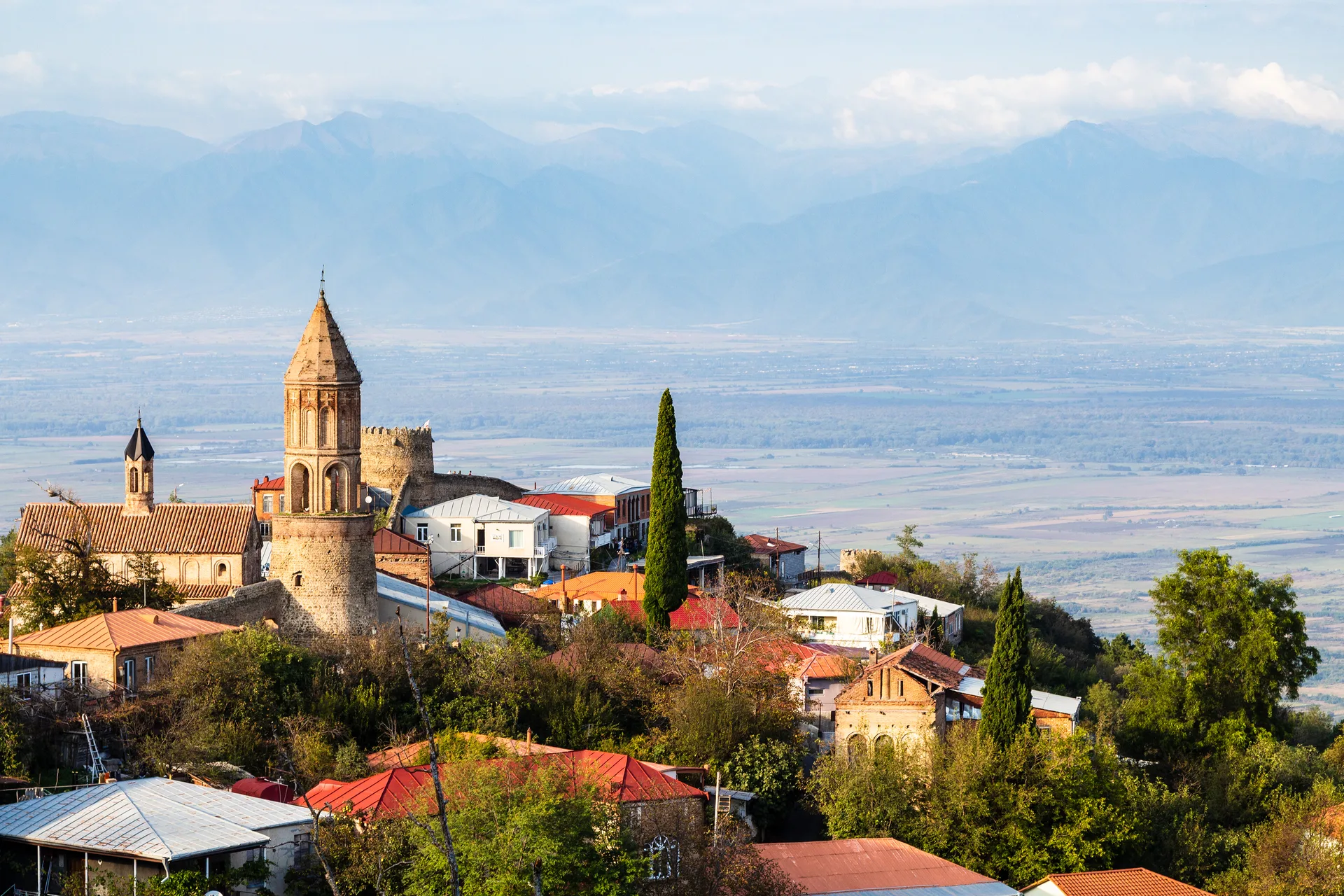
Sighnaghi: Georgia's "City of Love"
Sighnaghi earns its nickname from a local law that lets couples marry at any hour, any day, no advance notice needed. But forget the romance — what makes Sighnaghi worth a stop is the setting. It's a walled hilltop town with cobblestone streets, carved wooden balconies, and views of the Alazani Valley that make you understand why people have been growing grapes here since before recorded history.
Walk the city walls first. They're surprisingly well-preserved, with 23 towers you can climb for progressively better views. Budget 45 minutes to an hour. Then wander the old town — it's compact enough to cover in an afternoon, with a handful of wine bars, art galleries, and a wedding palace (which you'll recognize by the slightly dazed couples emerging at random hours).
Bodbe Monastery
About 2 km downhill from Sighnaghi sits Bodbe — the burial place of St. Nino, who brought Christianity to Georgia in the 4th century. The monastery itself is beautifully maintained, with manicured gardens and views that rival Sighnaghi's walls. The walk down is pleasant; the walk back up is a good argument for driving. Free entry. Dress modestly — women need a headscarf and long skirt (available to borrow at the entrance).
Afternoon Wine: Your First Tastings
Sighnaghi and its surrounding villages have several solid tasting options for your first afternoon. This is where you start to understand that Georgian wine is genuinely different — the amber wines made in qvevri (buried clay vessels) taste like nothing in your Western wine vocabulary.
Pheasant's Tears
The most famous natural winery in Georgia, co-founded by American painter John Wurdeman. Excellent qvevri wines. Their Sighnaghi restaurant also serves some of the best food in Kakheti. Tastings ~30-50 GEL. Book ahead in peak season.
Okro's Wines
Small family operation producing natural wines. John Okruashvili is one of Georgia's most respected qvevri winemakers. His tasting room in Sighnaghi is intimate and unpretentious. The amber Rkatsiteli is exceptional.
Cradle of Wine (village marani)
In Napareuli, about 15 minutes from Sighnaghi. A family-run cellar where the winemaker will personally guide you through tastings. Often includes bread, cheese, and fruit. Donations rather than set prices.
Sighnaghi Wine Bars
If you're staying in town, save your evening for the wine bars along the main street. Good selection of local producers, tapas-style food, and sunset views from terraces overlooking the valley.
The Marani Rule
If you see a hand-painted sign that says "ღვინო" (wine) or "მარანი" (marani/cellar) on the side of a village road, stop. These family cellars are where you'll have your most authentic — and usually free — wine experiences. Ring the bell, say "gamarjoba" (hello), and prepare to leave 90 minutes later having tasted eight wines and been force-fed khachapuri.
Day 2: Sighnaghi to Telavi — Through the Valley Floor
This is the most scenic driving day. You'll drop down from Sighnaghi's hilltop into the Alazani Valley, drive north through some of Georgia's most productive vineyard land, and end up in Telavi — Kakheti's laid-back capital. The direct drive is barely 90 minutes, but with winery stops, you'll want the full day.
The Drive: Alazani Valley Road
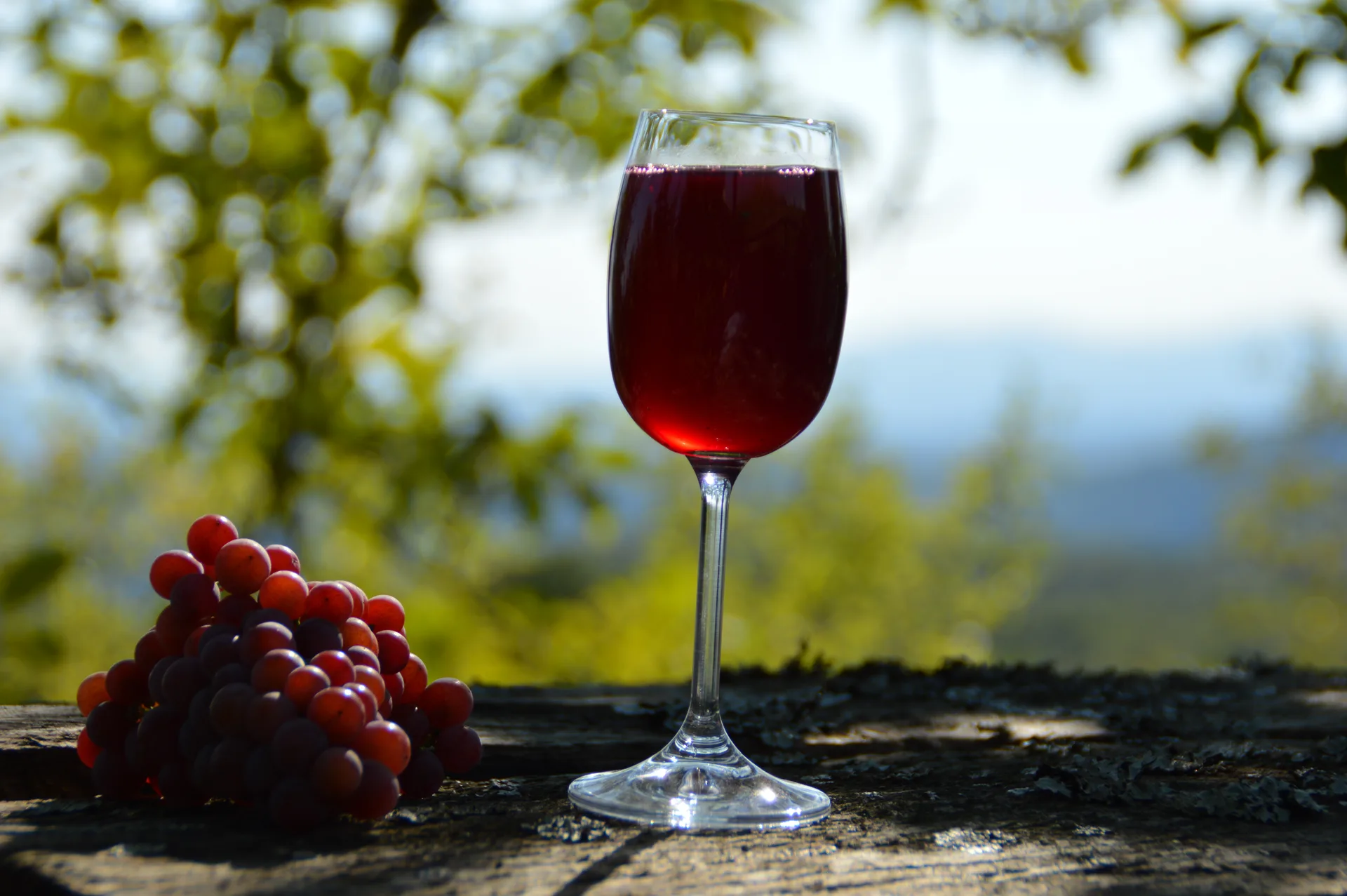
Head north from Sighnaghi on the valley-floor road rather than the hilltop route. The vineyards start almost immediately — row after row of trained vines with the Greater Caucasus rising behind them. In September and October during Rtveli (harvest), you'll see families hand-picking grapes and loading them onto flatbed trucks. Entire villages smell like crushed fruit. It's intoxicating even before you taste anything.
Tsinandali: Wine History in One Estate
About 8 km before Telavi, the Tsinandali Estate is where modern Georgian winemaking was born. Prince Alexander Chavchavadze built the first European-style winery here in the 1830s, blending Georgian tradition with French technique. The estate has a museum (Alexander's actual belongings, including his writing desk), a wine cellar with bottles dating back to the 19th century, and manicured English-style gardens.
The tasting is touristy but genuinely informative — you'll try wines from Tsinandali's own vineyards alongside selections from their historic collection. Budget 40-60 GEL per person. The grounds alone are worth 30 minutes of wandering.
Family Maranis Between Sighnaghi and Telavi
The villages of Kisiskhevi, Vazisubani, and Napareuli along this stretch are packed with family winemakers. These are the stops you can't plan precisely — they depend on which signs you notice, which driveways look inviting, and whether the owner happens to be home. Almost all of them are welcoming, almost all of them are free, and almost all of them will make you sit down for food.
Marani Etiquette
Family tastings are free, but that doesn't mean they're freeloading. Buy a few bottles (usually 10-25 GEL each), leave a sincere thank you, and if food appears — which it will — offer to contribute. Most families will refuse your money, but the gesture matters. These aren't businesses; they're people sharing something they've made with their own hands.
Telavi: Kakheti's Capital
Telavi is an unpretentious town that doesn't try to be charming in the way Sighnaghi does. It's just a pleasant place to eat, sleep, and use as a base. The 900-year-old plane tree in the center of town is enormous — they claim it's the oldest tree in the Caucasus, and you'll believe it when you stand under it. The bazaar is worth a morning wander for dried fruit, churchkhela, spices, and fresh produce.
For dinner, eat at a local restaurant rather than anything marketed to tourists. Kakheti food is heavier and meatier than Tbilisi — expect mtsvadi (grilled pork), chakapuli (tarragon lamb stew), and churchkhela made from fresh must during harvest season.
Day 3: Telavi & Surrounds — Monasteries and More Wine
Use Telavi as your base and loop through the monasteries and wineries north and east of town. This is a short driving day — everything is within 30 km — so you can take your time.
Morning: Alaverdi Cathedral
The Alaverdi Monastery, about 20 km north of Telavi, is one of the most impressive religious sites in Georgia. The 11th-century cathedral is the second tallest in the country, and the monastery complex still functions with monks who produce their own wine. If the monks' marani is open (not guaranteed), you can taste wine made using methods that haven't changed in centuries. Even if it's closed, the cathedral alone justifies the drive.
Ikalto Academy
A five-minute detour from the Alaverdi road brings you to Ikalto — one of the oldest academies in the Christian world. Georgia's national poet Shota Rustaveli supposedly studied here in the 12th century. The ruins are atmospheric, there's almost never a crowd, and the caretaker is usually happy to tell you stories if you show interest. Also notable: Ikalto's wine cellar, with qvevri dating back centuries.
Afternoon: Gremi and Nekresi
Head east from Telavi toward Kvareli, stopping at Gremi and Nekresi — two fortress-churches perched on ridges above the valley floor. Gremi is the more photogenic of the two: a compact royal citadel with an arched church and panoramic views. Nekresi requires a short shuttle ride from the parking lot up a steep hill, but the 6th-century monastery at the top is one of the oldest in Georgia, and the valley views are staggering.
| Stop | Time Needed | Entry Fee | Notes |
|---|---|---|---|
| Alaverdi Cathedral | 45 min – 1 hr | Free | Dress modestly. Monks' wine cellar sometimes open. |
| Ikalto Academy | 30 min | Free | Small ruins, atmospheric. Almost no tourists. |
| Gremi Fortress | 30–45 min | 3 GEL | Climb the tower for valley views. Small museum inside. |
| Nekresi Monastery | 1–1.5 hr | Free (shuttle 1 GEL) | Shuttle from parking lot. Worth it for the views alone. |
Evening: Wine Dinner in Telavi
If you haven't already been roped into a spontaneous supra (feast), arrange one. Several guesthouses in and around Telavi offer traditional supras with a tamada (toastmaster) — complete with elaborate toasts, polyphonic singing, and enough wine and food to last three hours. Ask your accommodation host. This is the experience that defines a Georgia trip, and Kakheti is the best place to have it.
Day 4: Kvareli and the Drive Back to Tbilisi
Your final day takes you to the northern end of the Alazani Valley before looping back to Tbilisi. Kvareli is the birthplace of Kindzmarauli — Georgia's most famous semi-sweet red — and home to the most theatrically impressive winery in the country.
Khareba Winery: The Wine Tunnel
Carved 7 kilometers deep into a mountainside, Khareba's wine tunnel maintains a natural temperature of 12-14°C year-round — perfect for aging wine. The guided tour takes you through the tunnels, past thousands of aging barrels and qvevri, ending with a tasting. It's touristy, yes. But the scale is genuinely impressive, and the wines are solid. Budget 25-40 GEL for the tour and tasting.
Kindzmarauli Heartland
The area around Kvareli is where Kindzmarauli comes from — a naturally semi-sweet red wine made from Saperavi grapes grown in specific microclimate conditions. If you've had Kindzmarauli before and thought it was too sweet, you've probably had a mass-produced version. Try it at a local producer here. The real thing has fruit depth without cloying sweetness.
Kindzmarauli Counterfeiting
More Kindzmarauli is sold worldwide each year than could possibly be produced in Kvareli's limited grape-growing area. If you're buying bottles to take home, buy directly from a producer or from a trusted wine shop in Tbilisi. Supermarket Kindzmarauli at 5 GEL a bottle is almost certainly not the real thing.
The Return: Two Routes Home
Via Highway (Fast)
Kvareli → Lagodekhi road → E60 highway → Tbilisi. About 2.5 hours. Flat, fast, boring. Take this if you're tired or it's getting dark.
Via Gombori Pass (Scenic)
Telavi → Gombori Pass → Tbilisi. About 2 hours. Winding mountain road through forest, recently renovated (2024). Beautiful but requires attention. Not ideal after dark.
The Designated Driver Problem (and How to Solve It)
Let's be honest: a wine road trip where the driver can't drink is a structural problem. Georgia's 0.0% blood alcohol limit means zero wine for whoever's behind the wheel — not a sip, not a taste, not even the dregs. This isn't a guideline; it's enforced with roadside checks and 500+ GEL fines.
Here are your real options:
| Option | Cost | Pros | Cons |
|---|---|---|---|
| Rotate drivers daily | Free | Everyone gets to drink on most days | Someone always misses out. Requires minimum 2 drivers. |
| Hire a local driver | 80–120 GEL/day | Everyone drinks. Driver knows the roads and wineries. | Less freedom. Need to coordinate schedule. |
| Base yourself + walk/taxi | Variable | Most flexible. Drink freely when not driving. | Limits winery choices to those near your base. |
| Drive between towns sober, taste at each stop | Free | Maximum flexibility with the route | Requires discipline. Only works if you taste at accommodation or walkable wineries. |
The most practical solution for couples or small groups: drive between towns sober, then taste at wineries you can walk to from your accommodation. Ask your guesthouse which maranis are within walking distance — most can point you to 2-3 family cellars within a kilometer.
Road Conditions: What to Expect
| Road Segment | Condition | Notes |
|---|---|---|
| Tbilisi → Sighnaghi | 🟢 Good | Mostly highway then two-lane. Some potholes near Sighnaghi. |
| Sighnaghi → Telavi (valley) | 🟢 Good | Flat valley road. Well-paved. Trucks on main stretches. |
| Telavi → Kvareli | 🟢 Good | Main highway. Easy driving. |
| Gombori Pass | 🟡 Fair | Renovated 2024. Winding mountain road. Good surface but tight turns. No guardrails in places. |
| Village side roads | 🟡 Fair | Paved but narrow. Watch for potholes, livestock, and kids. |
Kakheti is some of the easiest driving in Georgia. No mountain passes (except Gombori, which is optional), no unpaved roads on the main route, and distances are short. The main hazard is other drivers — particularly on the highway back to Tbilisi, where aggressive overtaking is standard practice.
Where to Stay
| Town | Budget | Mid-Range | Splurge | Best For |
|---|---|---|---|---|
| Sighnaghi | 60–80 GEL | 120–200 GEL | 300+ GEL | Views, atmosphere, walkable wine bars |
| Telavi | 50–70 GEL | 100–180 GEL | 250+ GEL | Central base, restaurants, markets |
| Vineyard guesthouses | 70–100 GEL | 150–250 GEL | 400+ GEL | Immersion, wake up in vineyards, walk to maranis |
| Kvareli | 50–70 GEL | 100–160 GEL | 200+ GEL | Quieter, fewer tourists, Kindzmarauli wineries |
Stay on a Vineyard
The best accommodation option in Kakheti is a vineyard guesthouse. Several family wineries offer rooms where you literally wake up among the vines. Your host makes the wine you drink at dinner, breakfast includes fresh bread baked that morning, and you can walk to the cellar for a tasting in your slippers. Search Booking.com for "wine" or "vineyard" in Kakheti, or ask in the Sighnaghi/Telavi travel groups on Facebook.
What It Costs: A Realistic Budget
Budget Trip (3 nights, 2 people)
Comfort Trip (3 nights, 2 people)
For context: a comparable wine road trip through Tuscany or Napa Valley would cost 3-5x more. Kakheti is absurdly good value for wine tourism.
When to Go
| Season | Weather | Wine Scene | Verdict |
|---|---|---|---|
| Sep – Oct | Warm, golden light, 20–28°C | Rtveli harvest — wineries bustling, grapes everywhere, special events | 🏆 Best time. Book accommodation early. |
| May – Jun | Green, pleasant, 22–30°C | Vines growing. Wineries open but quieter. New vintages ready. | Excellent. Fewer crowds than autumn. |
| Jul – Aug | Hot, 30–40°C, dry | Everything open but stifling outdoor visits. Start early, siesta midday. | Workable if you handle heat. Bring water. |
| Nov – Mar | Cold, grey, 0–12°C, rain | Quiet. Many guesthouses closed. Commercial wineries still open. | Possible but bleak. Vineyards bare. |
Rtveli: The Harvest
If you can time your trip for late September or early October, you'll experience Rtveli — Georgia's grape harvest. It's part agricultural tradition, part national celebration. Families harvest by hand, press grapes into qvevri, and feast for days. Some guesthouses let visitors participate in picking and pressing. It's the single best time to be in Kakheti, but book your accommodation weeks in advance — it fills up.
Common Mistakes
Trying to do it in one day
A day trip from Tbilisi means 4+ hours of driving and maybe two rushed winery visits. Two nights minimum. Three is ideal.
Only visiting commercial wineries
Khareba and Tsinandali are worth seeing, but the soul of Kakheti is in the family maranis. Stop at the roadside signs. Ring the doorbell. That's where the real experiences are.
Underestimating the heat
Summer in the Alazani Valley is brutal. 35–40°C with little shade between vineyards. Bring more water than you think. Start winery visits early and take a midday break.
Not buying wine at the source
Family wines are 10-25 GEL a bottle at the cellar, versus 40-80 GEL in Tbilisi wine shops. Bring empty trunk space and buy at every stop you enjoy.
Skipping the monasteries
Kakheti's monasteries aren't filler between wine stops — they're part of the wine story. Alaverdi monks have made wine for centuries. Ikalto has ancient qvevri. Wine and religion are inseparable here.
Forgetting the 0.0% rule
Not 0.05%, not "I only had a small glass." Zero. Police do roadside checks, fines start at 500 GEL, and your rental insurance may be voided. Plan your tastings around your accommodation.
Frequently Asked Questions
Can I do the Kakheti wine road trip as a day trip from Tbilisi?
You can, but you shouldn't. You'll spend 4-5 hours driving, leaving time for maybe two winery visits and a rushed lunch. Two nights minimum lets you actually relax, taste wine properly, and explore the towns. If you only have one day, hire a driver instead so everyone can drink.
Do I need a 4WD for the Kakheti wine route?
No. A regular sedan handles the entire route comfortably. Main roads between Sighnaghi, Telavi, and Kvareli are paved and well-maintained. The Gombori Pass road was renovated in 2024. You'd only need 4WD for off-road detours to places like Tusheti — which aren't part of this wine route.
How much does wine tasting cost in Kakheti?
Family cellars are often free — you'll be offered wine as a guest and expected to buy a few bottles if you enjoy it. Commercial wineries charge 15-40 GEL for guided tastings. Premium estates like Tsinandali can cost 50-80 GEL. Budget 100-150 GEL per person per day for a mix of both.
Is Kakheti safe to drive?
The roads are good, but Georgian driving culture is aggressive by European standards. Overtaking on blind corners, tailgating, and ignoring lane markings are all common. Kakheti's roads are less intense than Tbilisi, though. Drive defensively and you'll be fine.
What's the best time for a Kakheti wine road trip?
September and October are unbeatable — Rtveli (harvest) is in full swing, vineyards are golden, and many wineries host special events. May-June is also excellent with fewer tourists. Summer works but temperatures hit 35-40°C. Winter is quiet and many guesthouses close.
Written by The Georgian Guide Team
We've driven this route more times than we can count — in every season, with every combination of sedan and SUV, and with varying levels of designated-driver resentment. This guide is based on real driving experience, real winery visits, and real opinions about which stops are worth your time.
Last updated: February 2026.
Related Articles
Kakheti Wine Region: Complete Guide
Everything about Georgia's wine country — grapes, wineries, towns, and itineraries.
Renting a Car in Georgia
Costs, insurance, where to book, and what to expect on Georgian roads.
Sighnaghi: Georgia's City of Love
The hilltop town that's Kakheti's most photogenic base.
The Road to Tusheti
Georgia's most dangerous road — and one of its most rewarding.