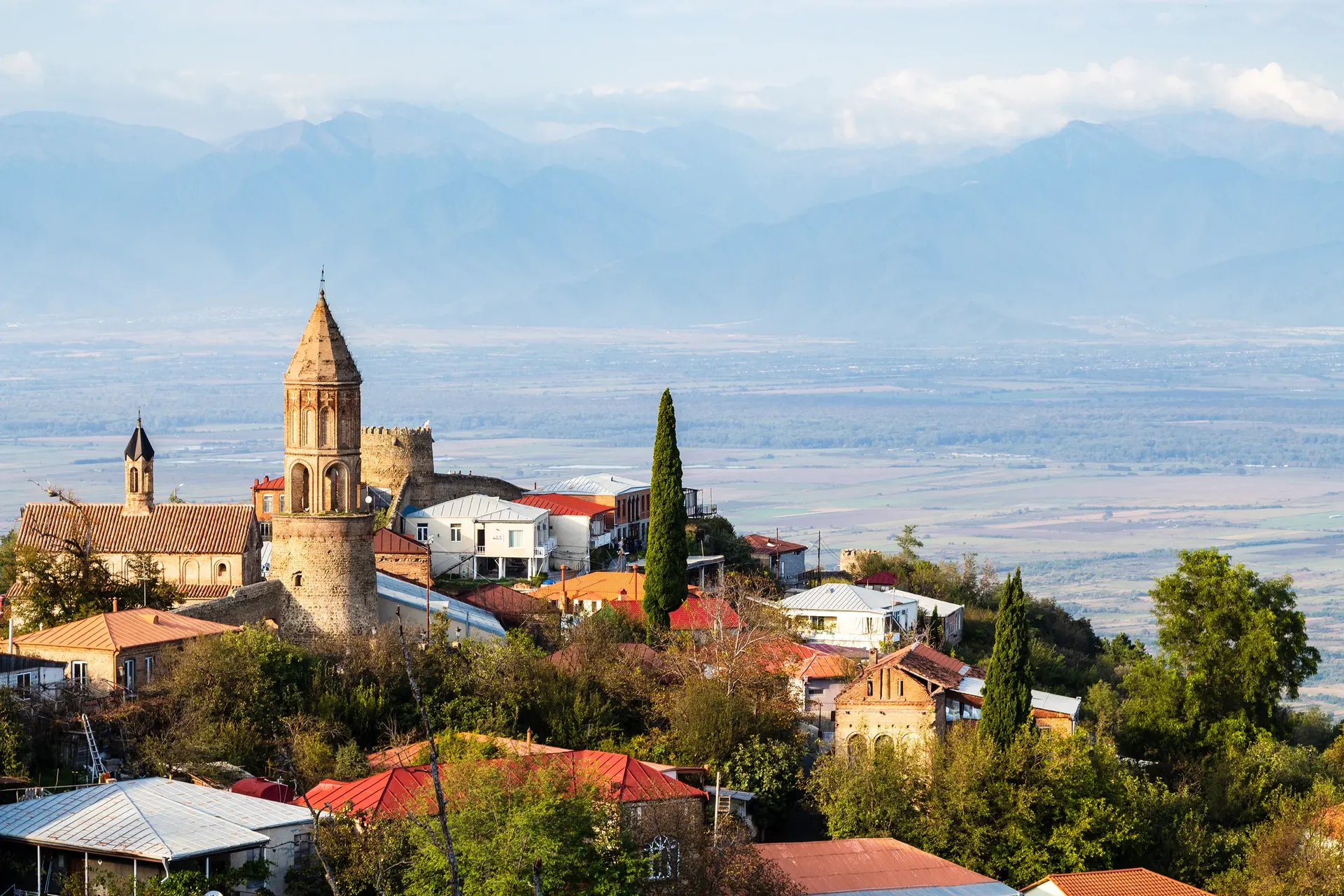
Kakheti produces roughly 70% of Georgia's wine. It's home to the country's most famous grape varieties, its prettiest hilltop town, some seriously underrated monasteries, and a food scene that will ruin you for Georgian restaurants back home. Here's everything you need to know.
Why Kakheti
Let me be direct: if you're visiting Georgia and you skip Kakheti, you've missed the point. That's not travel blogger hyperbole — it's just true. Georgia's identity is built on wine, hospitality, and toasting, and Kakheti is where all three reach their purest form.
The Alazani Valley stretches about 150 kilometers from northwest to southeast, flanked by the Greater Caucasus to the north and the Gombori range to the south. The result is a natural amphitheater with ideal growing conditions: warm days, cool nights, and well-drained alluvial soils. This is where Saperavi (the bold red) and Rkatsiteli (the versatile white) thrive — the two grapes that define Georgian wine.
But Kakheti isn't just about wine. The region has some of Georgia's most photogenic towns, powerful medieval monasteries, and a pace of life that makes Tbilisi feel like Tokyo. You'll eat better here than almost anywhere in the country, because everything is local and seasonal and made by someone's grandmother.
What Makes Georgian Wine Different
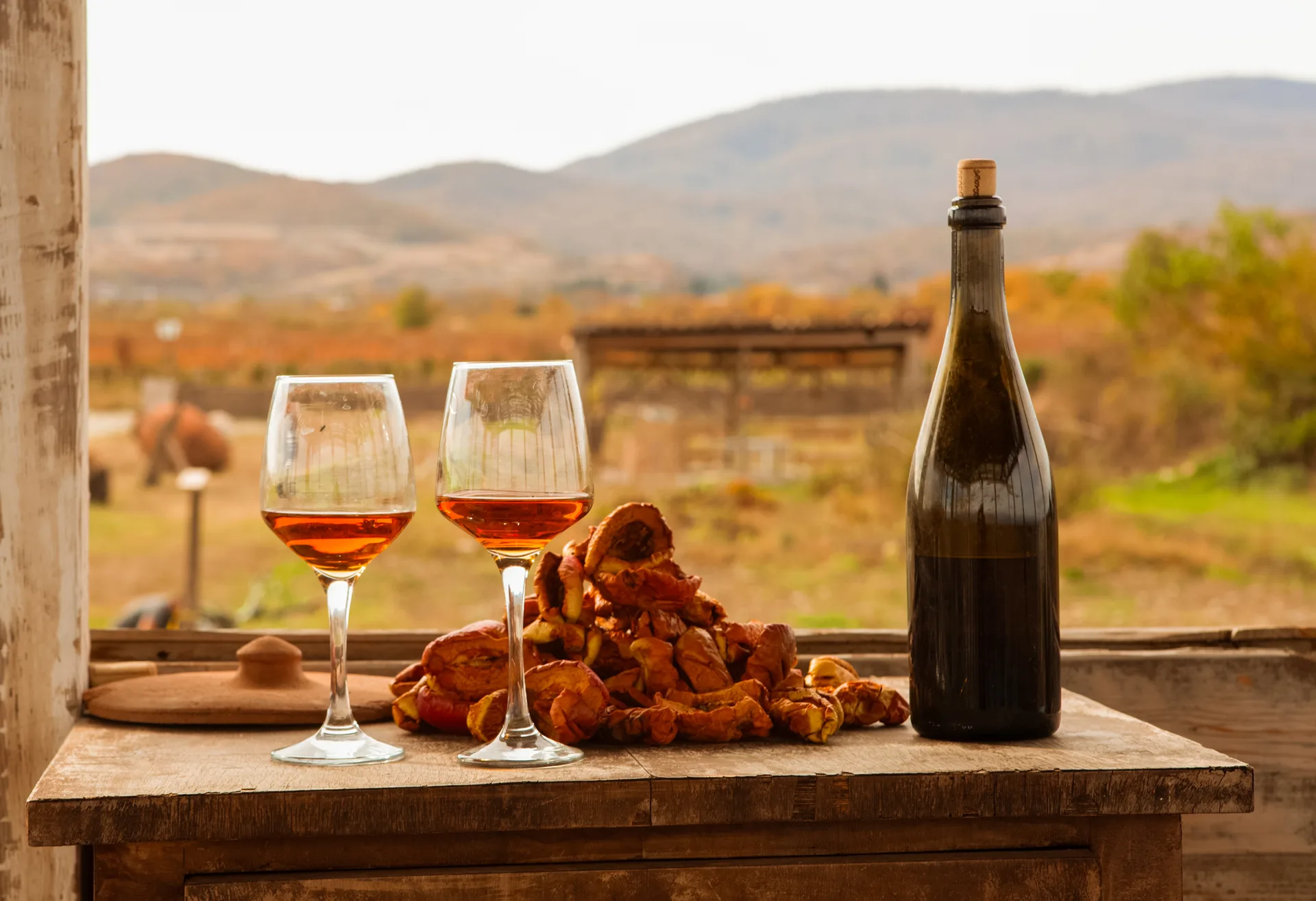
Georgian wine is fermented in qvevri — large clay vessels buried underground. Grape juice, skins, seeds, and sometimes stems go in together and ferment for 5-6 months. This ancient method (UNESCO-recognized since 2013) produces the famous amber/orange wines that have become trendy worldwide. The technique predates oak barrels by thousands of years.
Getting There
Kakheti is easy to reach from Tbilisi — the main towns are 1.5 to 2.5 hours by car, depending on traffic and which part of the valley you're heading to.
| Method | To Sighnaghi | To Telavi | Cost |
|---|---|---|---|
| Marshrutka (minibus) | ~2.5 hours | ~2 hours | 7-10 GEL ($2.50-3.50) |
| Private driver / Bolt | ~1.5 hours | ~1.5 hours | 80-120 GEL ($30-45) |
| Rental car | ~1.5 hours | ~1.5 hours | 60-100 GEL/day ($22-37) |
| Organized tour | Included | Included | 120-250 GEL ($45-95) |
Marshrutkas depart from Tbilisi's Samgori station (near the metro). For Sighnaghi, they leave roughly every 2 hours from 9 AM. For Telavi, departures are more frequent. Show up early — seats fill fast, especially on weekends.
The best option for wine touring is a rental car or private driver. Wineries are spread across the valley, public transport between them is nonexistent, and you'll want flexibility. If you plan to drink (you will), hire a driver. Full-day drivers cost 100-150 GEL ($37-55) and most speak enough English to be useful.
Don't Drive After Tasting
Georgian police run random breathalyzer checkpoints, and the legal limit is 0.0% for drivers. The fines are steep (500 GEL+), and you can lose your license. If you're tasting at multiple wineries, get a driver. No exceptions.
Where to Base Yourself
Two towns compete for your attention: Sighnaghi and Telavi. They're quite different, and both are worth visiting.
Sighnaghi
Tiny, gorgeous, built for tourists (in a good way). Cobblestone streets, traditional balconies, 18th-century fortress walls with valley views. Population: about 2,000. More restaurants and guesthouses per capita than anywhere in Georgia.
Best for: Romantic trips, photography, first-time visitors, walkers.
Vibe: Italian hill town meets Georgian village.
Telavi
Kakheti's actual capital. A real town where real people live — messier, louder, more authentic. Great bazaar, several big wineries nearby, and a good launching point for the northern monastery circuit.
Best for: Deeper exploration, market lovers, winery-hopping, longer stays.
Vibe: Working Georgian town with good food options.
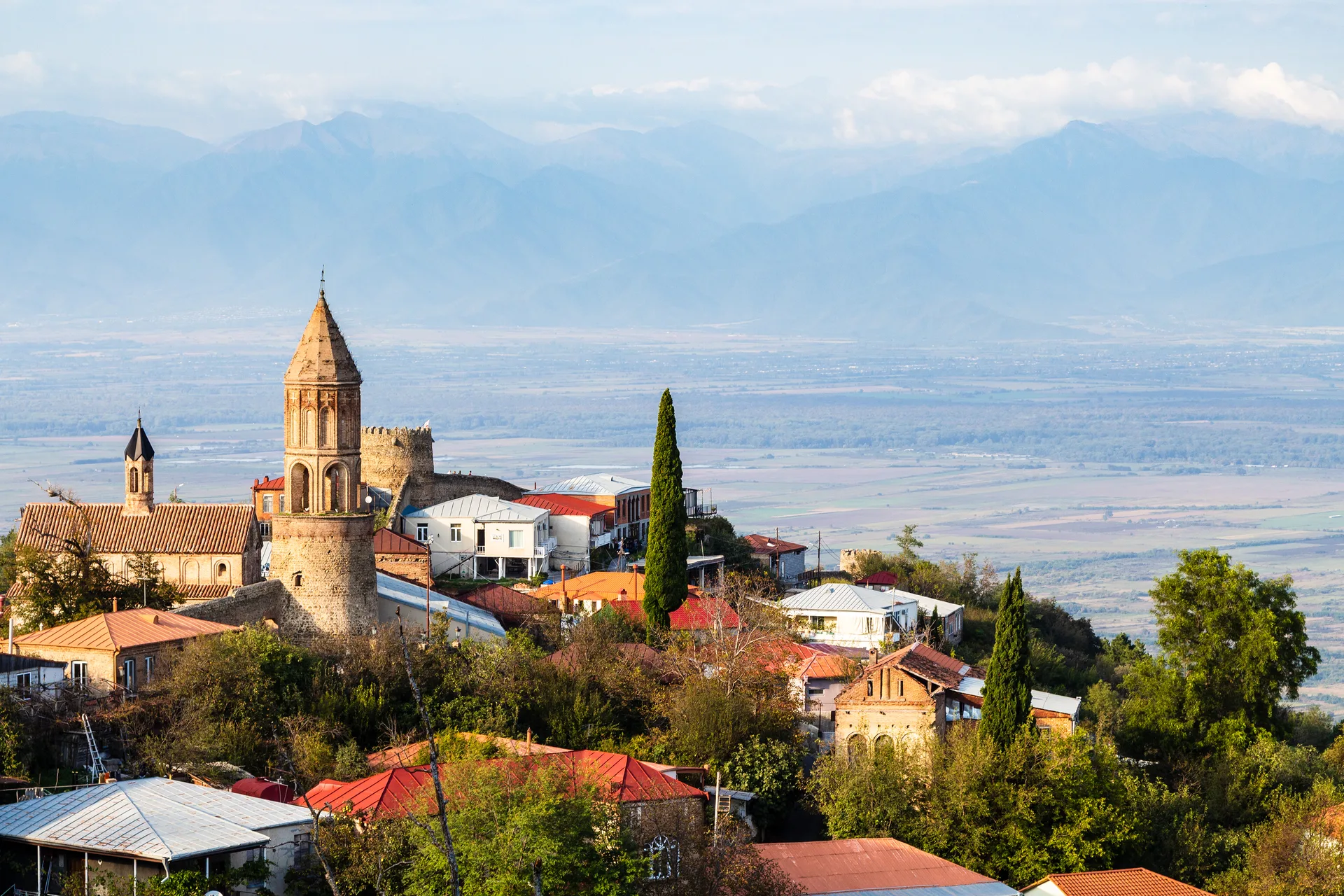
My recommendation: If you have 1-2 nights, stay in Sighnaghi. It's more scenic and walkable, and enough wineries are accessible from there. If you have 3+ nights, split between both — spend your first night or two in Sighnaghi for the beauty, then move to Telavi for the monastery circuit and the bazaar.
For a splurge, consider a vineyard stay. Tsinandali Estate (a Radisson Collection hotel on a historic 19th-century wine estate) and Château Mere in Telavi offer upscale wine-country experiences. Budget travelers can find excellent family guesthouses for 50-80 GEL ($18-30) per night including breakfast — and often a free bottle of homemade wine.
The Wine
Georgian wine is unlike anything you've tasted in Europe or the New World. Understanding a few basics before you arrive will make your tastings infinitely more interesting.
| Grape | Type | Taste Profile | Famous Appellations |
|---|---|---|---|
| Saperavi | Red | Bold, tannic, dark fruit, earthy. Ages well. | Mukuzani, Kindzmarauli, Napareuli |
| Rkatsiteli | White / Amber | Versatile. Light and crisp (European method) or rich and tannic (qvevri). | Tsinandali, Gurjaani |
| Mtsvane | White / Amber | Floral, aromatic, softer than Rkatsiteli. Often blended. | Manavi, Tsinandali (blended) |
| Kisi | White / Amber | Honeyed, aromatic, complex. Rising star variety. | Various small producers |
| Khikhvi | White | Rare, fruity, distinctive. Worth seeking out. | Limited production |
The three styles you'll encounter:
- Qvevri (traditional): Fermented in buried clay vessels with skins and seeds. Produces amber/orange wines from white grapes and intensely dark reds. This is what makes Georgian wine unique. Tannic, complex, sometimes funky.
- European method: Standard stainless steel or oak barrel fermentation. Cleaner, more familiar profiles. Many large producers use this for export wines.
- Semi-sweet: Kindzmarauli and Khvanchkara are naturally semi-sweet reds beloved in the former Soviet world. If sweet reds aren't your thing, don't write them off entirely — a good Kindzmarauli from a real producer (not factory wine) can be genuinely interesting.
Amber Wine, Explained
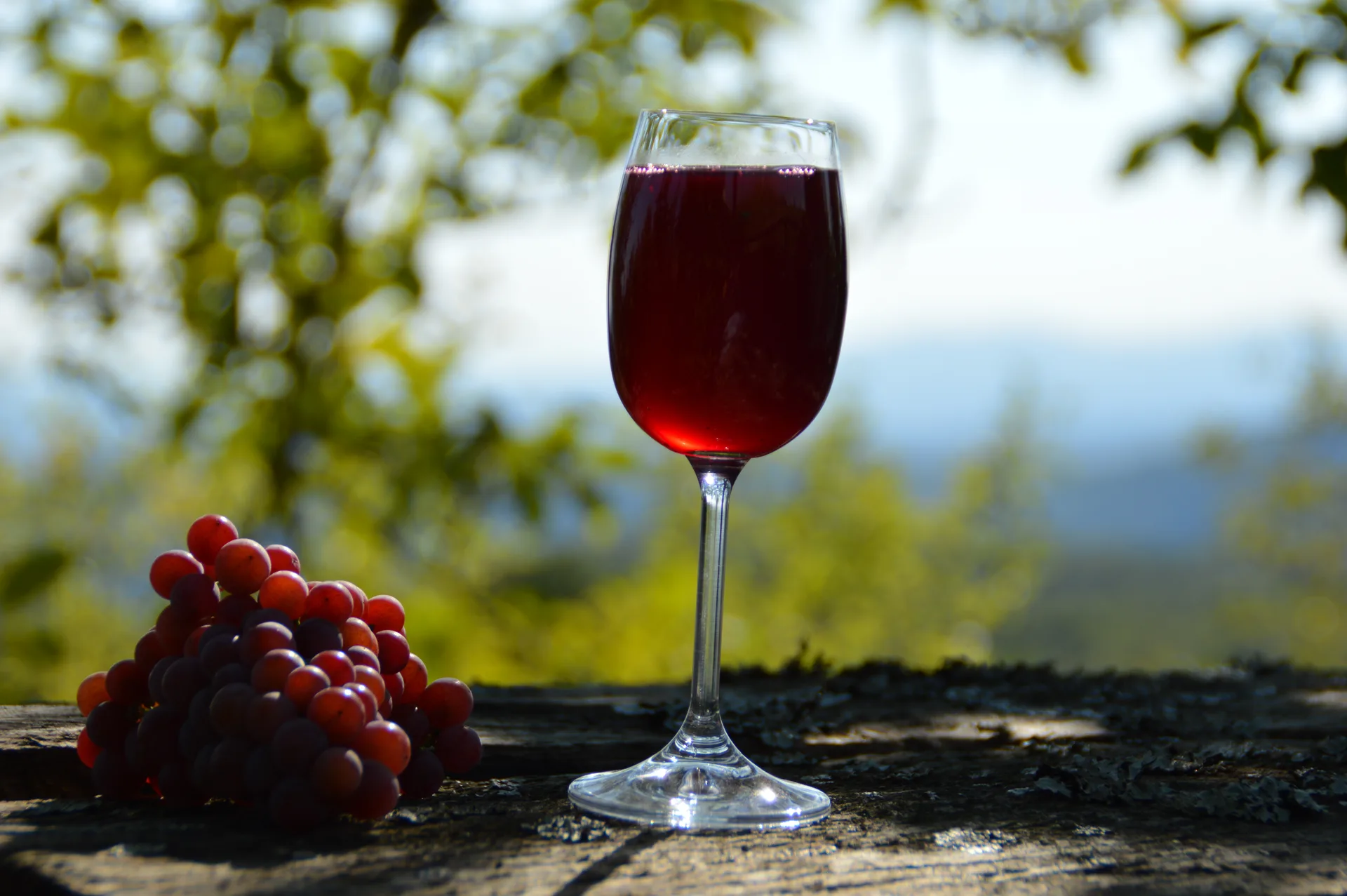
When white grapes are fermented with their skins in qvevri (like red wine production), the result is a deep amber/orange color. These wines are tannic, nutty, and utterly unlike anything from the European tradition. They pair brilliantly with Georgian food — especially walnut dishes and cheese. If you try only one new thing in Kakheti, make it an amber wine from a family cellar.
Best Wineries to Visit
Kakheti has hundreds of wineries, from garage operations to Soviet-era factories to slick modern estates. Here are the ones worth your time, organized by type.
Family Cellars (Marani)
These are the soul of Georgian wine. Small-scale, often just a family making wine the way their great-grandparents did. Tastings happen in someone's home, usually accompanied by food, and you'll leave with several bottles and possibly a new friendship. Most charge nothing or 10-20 GEL for tastings.
Twins Wine House
Near Napareuli. Twin brothers making outstanding qvevri wines. Their cellar holds 52 buried qvevri. Excellent amber wines and Saperavi. Often cited as the best natural winery in Georgia.
Pheasant's Tears
In Sighnaghi. Founded by American painter John Wurdeman. Part restaurant, part winery. The food is as exceptional as the wine. Book ahead — it's popular for good reason.
Giuaani Winery
In Manavi village. Multi-generational family operation with excellent Mtsvane whites. Beautiful setting, genuinely warm hosts. Less touristy than bigger names.
Iago's Wine
Not technically in Kakheti (it's in Kartli), but Iago Bitarishvili is a legend of natural Georgian wine. Worth a detour on the way to/from Tbilisi. Chinuri grape specialist.
Commercial Wineries
Bigger operations with polished tasting rooms, guided tours, and gift shops. More structured experience, usually 20-50 GEL for a tasting flight.
| Winery | Location | Highlight | Tasting Cost |
|---|---|---|---|
| Khareba | Kvareli | 7.7 km wine tunnel carved into a mountain | 15-30 GEL |
| Tsinandali Estate | Tsinandali | Historic estate + museum + 5-star hotel | 15-40 GEL |
| Shumi | Tsinandali | Wine museum + vineyard with 400+ grape varieties | 15-25 GEL |
| Kindzmarauli Corporation | Kvareli | Mass producer, but the premium line is solid | 10-20 GEL |
| Teliani Valley | Near Telavi | Modern facility, excellent reserve wines | 20-35 GEL |
The Must-Do Combination
Visit one commercial winery (Khareba's wine tunnel is genuinely impressive) and one family cellar in the same day. The contrast between industrial-scale and artisanal production tells the whole story of Georgian wine.
Beyond the Wine
Kakheti has a lot more going on than vineyards. Some of Georgia's most powerful historical sites are here, and they're blissfully uncrowded.
Monasteries and Churches
| Site | Founded | Why Visit | Near |
|---|---|---|---|
| Alaverdi Cathedral | 6th century | One of the tallest churches in Georgia. Working monastery with its own wine cellar. | Telavi |
| Ikalto Academy | 6th century | Ancient university ruins. Said to have taught winemaking alongside theology. | Telavi |
| Bodbe Convent | 4th century | Burial place of St. Nino. Stunning gardens with valley views. | Sighnaghi |
| Gremi Citadel | 16th century | Former capital of Kakheti. Hilltop church with panoramic views. | Kvareli |
| Nekresi Monastery | 4th century | High above the valley. Dramatic setting, ancient ruins, working monastery. | Kvareli |
| David Gareja | 6th century | Cave monastery complex on the Azerbaijan border. Otherworldly landscape. | South Kakheti |
Sighnaghi's Walls
Sighnaghi's 18th-century fortress walls are largely intact and walkable. The views from the towers over the Alazani Valley — especially at sunrise or sunset — are worth the early alarm. The town itself is a pleasure to wander: compact, colorful, and full of small galleries and craft shops.
Telavi Bazaar
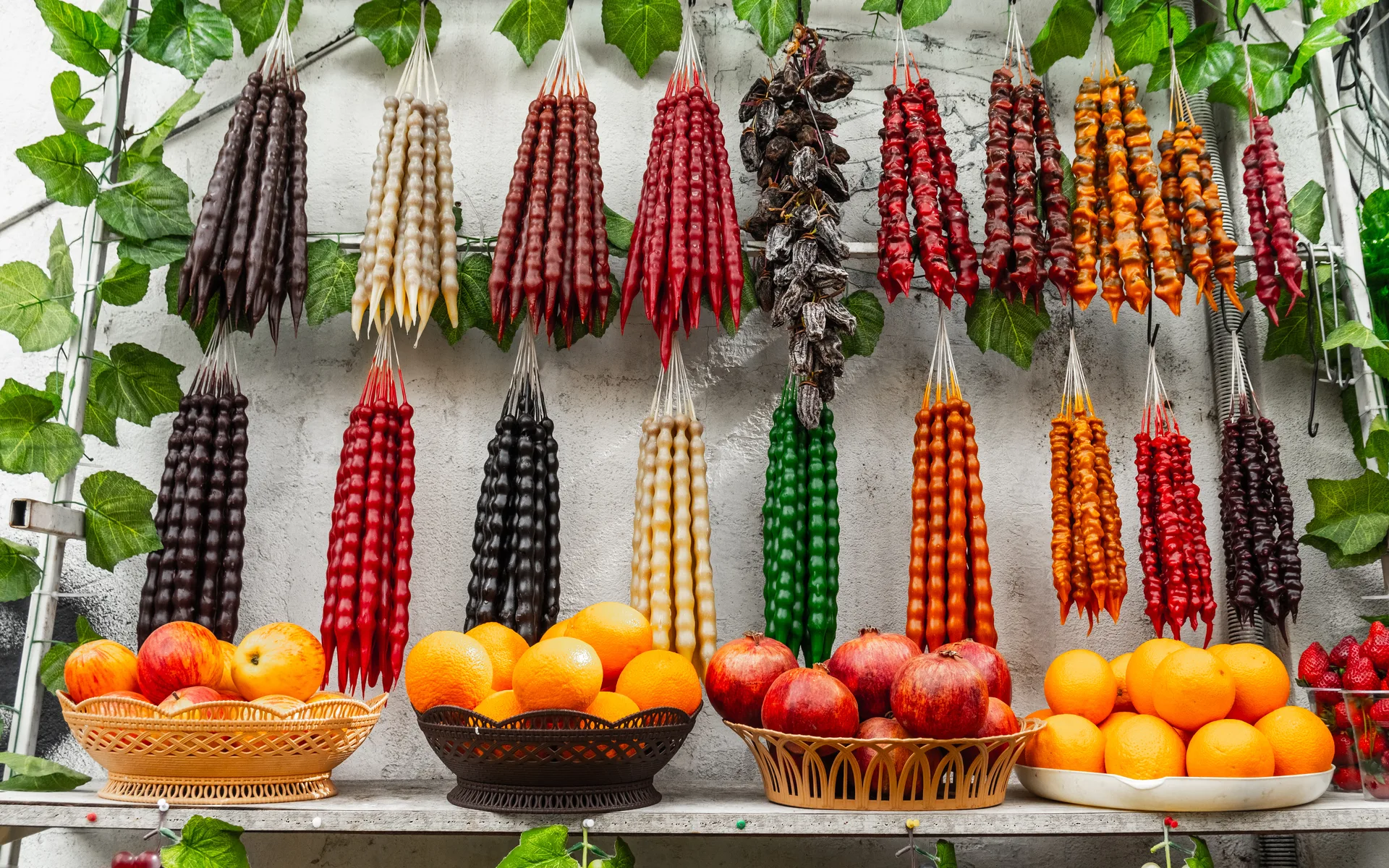
Kakheti's biggest market is a sensory overload in the best way. Seasonal fruit piled in mountains, fresh herbs by the armful, churchkhela hanging from stalls like strange candy stalactites, and local cheese varieties you won't find elsewhere. Go early.
What to Eat
Kakhetian cuisine is Georgian food at its most generous. Portions are bigger, flavors are earthier, and there's a lot of meat, cheese, and walnut.
| Dish | What It Is | Don't Miss |
|---|---|---|
| Mtsvadi | Pork or veal grilled over grapevine embers | The grapevine smoke gives it a flavor you can't replicate |
| Khashlama | Slow-boiled beef with herbs, served in broth | A cold-weather specialty — ask at family guesthouses |
| Churchkhela | Grape juice and walnut "candles" | Fresh-made in autumn. Market versions vary wildly in quality. |
| Shotis Puri | Traditional bread baked in a clay oven (tone) | Watch it being made and eat it hot. Nothing else compares. |
| Pkhali | Walnut paste with spinach, beet, or herbs | The region's walnut trees make Kakhetian pkhali exceptional |
| Chakapuli | Veal stew with tarragon and sour plums | Spring specialty — one of Georgia's most refined dishes |
Where to eat: In Sighnaghi, Pheasant's Tears is the standout (book ahead). Nikala is a solid, cheaper alternative. In Telavi, eat at any busy local restaurant near the bazaar — popularity is the best quality signal. For the most authentic meal, eat at your guesthouse. Kakhetian families set a table that would shame most restaurants.
When to Visit
| Season | Months | Weather | Verdict |
|---|---|---|---|
| Spring | April–May | 18-25°C, some rain | Beautiful green vineyards, wildflowers. Good value. |
| Summer | June–August | 28-36°C, hot and dry | Very hot. Mornings and evenings only. Grapes ripening. |
| Autumn | Sept–November | 15-25°C, golden light | ⭐ Best time. Rtveli harvest (Sept-Oct), perfect weather, peak food. |
| Winter | Dec–March | 0-8°C, occasional snow | Quiet but atmospheric. Sighnaghi in snow is magical. |
The Rtveli — Georgia's Grape Harvest
The annual grape harvest (rtveli) in September-October is Kakheti's biggest event. Families gather to pick grapes, crush them by foot, and load the qvevri. Many wineries welcome visitors to participate. It's messy, joyful, and ends with a massive feast. If you can time your visit for rtveli, do it. Some guesthouses specifically offer harvest participation packages.
Sample Itineraries
Day Trip from Tbilisi (1 Day)
Kakheti in One Day
Weekend Trip (2-3 Days)
The Full Wine Country Experience
Deep Dive (5-7 Days)
Add David Gareja (full day trip to the south), the Gremi-Nekresi circuit near Kvareli, Tusheti if you're visiting in summer (spectacular mountain region accessible from Kakheti), and a vineyard stay at Tsinandali Estate. This is the itinerary for wine enthusiasts and slow travelers.
Budget Breakdown
Daily Budget — Per Person
Money-Saving Tips
Family guesthouses often include breakfast and dinner in the price. Some family cellars don't charge for tastings (though buying a bottle or two is good etiquette). Marshrutkas between towns cost 2-5 GEL. A bottle of excellent wine at a winery costs 15-40 GEL ($5-15) — less than a glass in most European wine bars.
Practical Tips
🗣️ Language
English is limited outside tourist spots. Learn basic Georgian greetings (gamarjoba = hello, madloba = thanks, gaumarjos = cheers). Google Translate works for most situations. Winery staff at commercial operations usually speak English.
💳 Money
Cards accepted at hotels and bigger restaurants. Family cellars, marshrutkas, and small shops are cash only. ATMs in Sighnaghi and Telavi centers. Bring GEL — nobody accepts USD or EUR in Kakheti.
📱 Connectivity
Good 4G coverage in towns and along main roads. Spotty in mountains and at remote monasteries (David Gareja has limited signal). Guesthouses and restaurants have WiFi. A local SIM from Magti or Geocell costs 10-15 GEL with data.
👗 Dress Code
Monasteries require covered shoulders and knees. Women need head coverings (wraps usually available at the entrance). Bring something to cover up even in summer — you'll visit at least one church.
🧳 What to Bring
Sunscreen (the valley gets very hot in summer), comfortable walking shoes, a wine bag or bubble wrap for bottles, a light jacket for cool evenings, and an empty stomach. Seriously — Kakhetian hospitality means constant feeding.
🛡️ Safety
Kakheti is very safe. Petty crime is rare, people are genuinely helpful, and you can walk around Sighnaghi at night without concern. The main risk is overeating at a supra and needing a nap. Stray dogs exist but are generally docile.
Frequently Asked Questions
How do I get to Kakheti from Tbilisi?
Marshrutkas run frequently to Sighnaghi (2.5 hours, ~10 GEL) and Telavi (2.5 hours, ~10 GEL). A private driver for a day trip costs 100-130 GEL. Organized wine tours are widely available from Tbilisi.
Can I visit Kakheti wineries without a reservation?
Larger wineries like Schuchmann, Khareba, and Twins Wine Cellar welcome walk-ins. Smaller family wineries usually need advance notice — your hotel or a local guide can call ahead. Weekdays are easier than weekends.
Is Sighnaghi or Telavi better as a base?
Sighnaghi is more picturesque (hilltop town with valley views) and better for a short visit. Telavi is larger, more practical, and better positioned for visiting multiple wineries. Wine enthusiasts should base in or near Telavi.
When is the best time to visit Kakheti?
September and October during Rtveli (harvest) is magical — you can participate in grape picking and winemaking. Spring is beautiful with green vineyards. Summer is very hot (35°C+). Winter is quiet but wineries still welcome visitors.
What is a qvevri?
A qvevri is a large clay vessel buried underground, used for fermenting and aging wine. This 8,000-year-old Georgian method produces the distinctive amber wines Georgia is famous for. UNESCO recognized it as Intangible Cultural Heritage.
Written by The Georgian Guide Team
We've spent years exploring Kakheti's wineries, monasteries, and back roads — from the polished tasting rooms of Tsinandali to tiny family cellars where the wine is better than anything in their gift shop. This guide is built on dozens of trips to the region.
Last updated: February 2026.
Related Articles
10 Best Day Trips from Tbilisi
Including Kakheti options for when you only have a day.
Tbilisi for First-Timers
Start here if Tbilisi is your base for exploring Kakheti.
Best Time to Visit Georgia
Timing your trip for rtveli season? Start with this overview.
Getting Around Georgia
Transport options for reaching Kakheti and beyond.