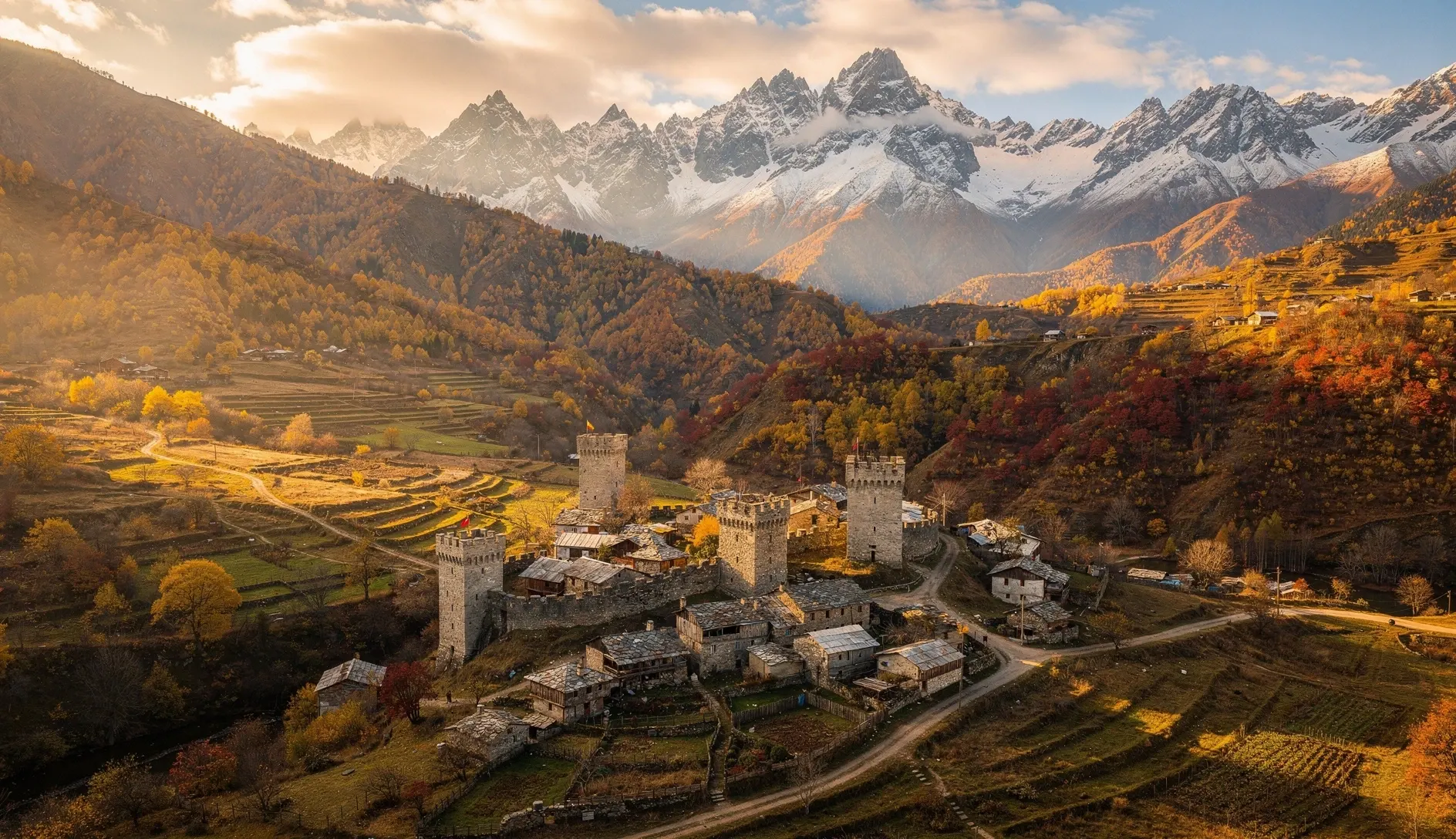
Autumn is Georgia's best-kept secret — or rather, its worst-kept one. Ask anyone who lives here when to visit and they'll say September or October without hesitating. The crushing summer heat breaks, the mountains light up in gold and crimson, Kakheti erupts into harvest chaos, and Tbilisi becomes the most livable city in the Caucasus. It's the season Georgia was designed for.
This isn't just pleasant weather and nice colors. Autumn in Georgia is a cultural event. Rtveli — the grape harvest — transforms entire regions into open-air celebrations of wine, food, and hospitality. Families who haven't spoken since spring suddenly need every spare pair of hands. Strangers get pulled into pressing grapes, and nobody leaves a marani sober.
I've lived through five Georgian autumns. Each one has been the highlight of the year. Here's how to make the most of it.
Month-by-Month: What to Expect
Georgian autumn spans three very different months. September still feels like summer in the lowlands. November is basically winter in the mountains. The sweet spot is in between.
| Month | Tbilisi Temp | Mountain Temp | Crowds | Best For |
|---|---|---|---|---|
| September | 20–30°C | 8–18°C | Moderate–High | Rtveli, hiking (trails still open), warm-weather culture without the heat |
| October | 13–22°C | 3–12°C | Low–Moderate | Peak foliage, Tbilisoba festival, wine touring, photography |
| November | 6–14°C | -2–6°C | Low | Budget travel, empty museums, Tbilisi café culture, early ski planning |
The Perfect Window
Late September through mid-October is the undisputed best time to visit Georgia. You get rtveli harvest energy, perfect hiking weather, stunning foliage, and shoulder-season prices. If you can only visit once, this is it.
September: Summer's Graceful Exit
September is a transitional month that plays both sides beautifully. The first two weeks still feel like summer in Tbilisi — you'll hit 28–30°C on some days, and air conditioning isn't optional. But by mid-month, the evenings cool dramatically, and you can actually enjoy walking the old town without melting.
The real magic happens outside Tbilisi. Kakheti's vineyards shift into harvest mode. If you've ever wanted to understand why Georgians are so intense about wine, show up in Kakheti during the last two weeks of September. You'll find families knee-deep in grapes, qvevri being cleaned and prepared, and more spontaneous feasting than any one visitor can handle.
Mountain hiking is at its finest. Svaneti, Tusheti, and Kazbegi trails are all open, the summer crowds have thinned, and the first hints of autumn color appear at higher elevations. The Mestia to Ushguli trek is arguably better in September than July — clearer skies, fewer fellow trekkers, and the first golden birch trees lining the valleys.
One honest warning: early September is still peak tourist season for the Black Sea coast. Batumi in the first week of September is crowded, humid, and overpriced. By late September it calms down significantly — locals call it the "velvet season," and they're not wrong.
October: The Golden Month
October is Georgia at full power. This is the month that appears in every photographer's portfolio and every travel writer's "best of" list, and it earns it.
Tbilisi in October is stunning. The plane trees along Rustaveli Avenue turn gold. Mtatsminda and the surrounding hills blaze with color visible from anywhere in the city. Temperatures sit at a civilized 15–22°C during the day, dropping to 10–12°C at night — perfect jacket weather. Outdoor café culture hits its absolute peak. Every balcony in Sololaki and Vera is draped in grapevines turning red and amber.
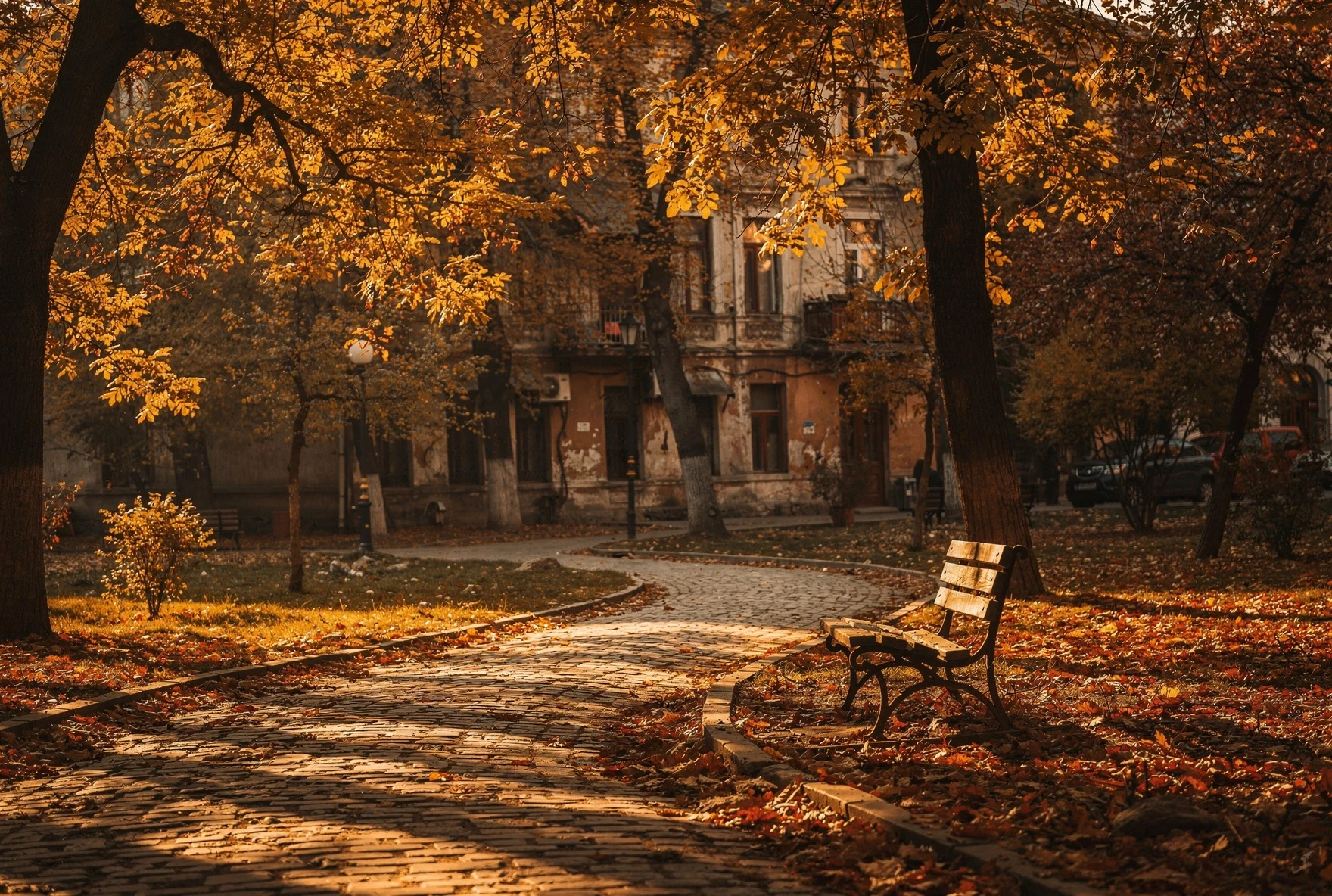
Tbilisoba — the city's annual festival, usually held the last weekend of October — is a celebration worth planning around. The old town fills with music stages, food vendors serving every regional specialty, wine flowing from tapped barrels, and traditional dance performances. It's touristy in the center, sure, but wander a few blocks and you'll find neighborhoods throwing their own smaller celebrations that feel completely authentic.
High-altitude hiking starts closing down in October. Tusheti's road typically closes by mid-month with the first serious snowfall. Svaneti trails remain accessible through most of October but check conditions — weather can turn fast. Lower-elevation hikes near Tbilisi and in Kakheti are perfect all month.
Mountain Road Closures
The Abano Pass (Tusheti road) usually closes in mid-to-late October. The road to Ushguli can become impassable after heavy rain or early snow. Always check road conditions with locals or your guesthouse before driving mountain passes in October.
November: The Quiet Season
November divides opinion. Some travelers love it. Some find it gray and melancholy. Both are right.
The golden foliage is mostly gone by mid-November. Tbilisi settles into a gray, occasionally rainy mood — temperatures hover around 8–12°C, and the first real cold snaps arrive. The mountains are firmly in early winter. Gudauri might see its first snow but the ski season hasn't started yet. It's a shoulder within a shoulder.
But if you want Georgia without tourists, November is your month. Museums are empty. Restaurant reservations are unnecessary. Guesthouse owners in Kakheti have nothing but time for you. Prices for accommodation drop 20–40% from peak season. And Tbilisi's indoor culture — the sulfur baths, the wine bars, the theater, the jazz clubs — thrives when it's cold outside.
The Georgian tradition of churchkhela production also peaks in late autumn. Walk through Dezerter Bazaar in November and you'll see fresh churchkhela strings hanging everywhere — still soft and pliable, not the hardened tourist versions sold year-round. This is when locals buy their supply.
Rtveli: Georgia's Grape Harvest
Rtveli isn't a festival — it's the rhythm of the entire country for about a month. From mid-September through mid-October, Georgia's wine regions (primarily Kakheti, but also Kartli, Imereti, and Racha) shift entirely into harvest mode. Schools adjust schedules. Offices get quieter. Family WhatsApp groups activate with logistics about who's bringing which truck.
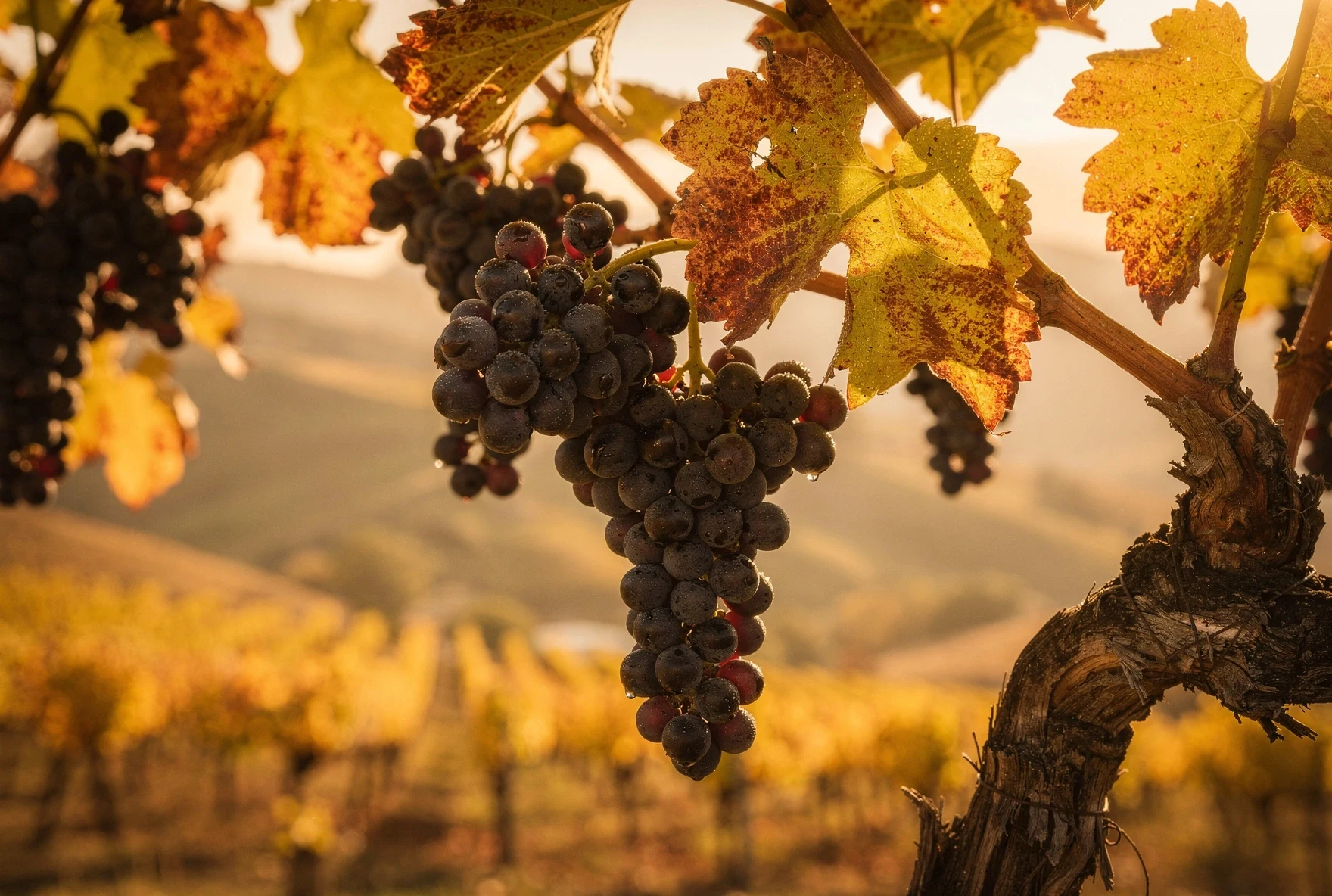
If you're visiting during rtveli, here's what you need to know:
🍇 Join a Harvest
Many family wineries and guesthouses in Kakheti welcome visitors to participate. It's physical work — picking, carrying, pressing — but you'll be fed more food than you've ever seen and drink more wine than you planned. Ask any guesthouse in Sighnaghi or Telavi; they'll connect you.
🏺 Qvevri Filling
The most sacred moment of rtveli is filling the qvevri — the clay vessels buried underground where Georgian wine ferments. Some winemakers allow visitors to watch or participate. It's deeply ritualistic: prayers, toasts, and a solemnity that contrasts with the chaos of harvest.
🍷 Fresh Juice & Churchkhela
During rtveli, you can drink fresh-pressed grape juice (tatara/badagi) everywhere. The thickened juice (pelamushi) becomes churchkhela within days. Watching the entire chain from vine to finished churchkhela is one of those experiences you simply can't get outside autumn.
🚗 Getting There
Kakheti is 1.5–2 hours from Tbilisi by car. Marshrutkas run to Telavi and Sighnaghi regularly. For rtveli, having your own car (or a hired driver) gives you the freedom to visit smaller villages where the real action happens.
Timing Rtveli
Exact dates shift each year based on weather and grape ripeness. Rkatsiteli (white, the most planted grape) typically comes first in mid-September. Saperavi (red) follows in late September to early October. Ask locally — winemakers track ripeness obsessively, and the window for picking a specific variety can be just 7–10 days.
Where to Go in Autumn
Not every destination works equally well in autumn. Some shine; others shut down. Here's the honest breakdown:
| Destination | Sep | Oct | Nov | Why |
|---|---|---|---|---|
| Tbilisi | ★★★★ | ★★★★★ | ★★★ | Peak city culture, Tbilisoba, perfect walking weather |
| Kakheti | ★★★★★ | ★★★★★ | ★★★ | Rtveli harvest, wine touring, golden landscapes |
| Svaneti | ★★★★ | ★★★ | ★ | Great hiking in Sep, risky weather by late Oct, closed Nov |
| Kazbegi | ★★★★ | ★★★ | ★★ | Road stays open, but cold and increasingly snowy |
| Tusheti | ★★★★★ | ★★ | — | September is magical; road closes mid-Oct; inaccessible Nov |
| Batumi / Coast | ★★★★ | ★★ | ★ | Velvet season in Sep; rainy and gray Oct–Nov |
| Borjomi | ★★★★ | ★★★★ | ★★ | Spectacular park foliage; spa town quieter than summer |
| Vardzia / Akhaltsikhe | ★★★★ | ★★★ | ★★ | Comfortable temps for exploring cave city; cold by Nov |
Tbilisi in Autumn
Tbilisi in autumn is the best version of itself. The city transforms from the sweaty, intense energy of summer into something more refined. The pace slows just enough. Evenings cool off. People actually want to walk places again.
The physical beauty hits hard. The old town's balconied houses, which look charming in any season, become genuinely cinematic framed by golden and amber foliage. The view from Narikala Fortress in mid-October — looking out over the Mtkvari River with both banks lit up in autumn color — is one of those moments that makes you understand why people keep coming back.
Practically, autumn Tbilisi means:
- Café season: Every wine bar, café, and restaurant with outdoor seating is packed through October. Vake Park, Mziuri, 9 April Park — all at their best.
- Markets peak: Dezerter Bazaar overflows with pomegranates, persimmons, feijoa, walnuts, and fresh churchkhela. The fruit selection in autumn is arguably better than summer.
- Cultural calendar fills up: Tbilisi International Film Festival (November), theater season reopens, gallery openings cluster in October.
- Heating question: Most apartments switch on central heating in November. October can be chilly indoors — bring a layer if you're in an Airbnb without independent heating.
Autumn Hiking
Autumn hiking in Georgia is a calculated gamble that usually pays off. The trails are quieter, the colors are extraordinary, and the air has a crispness that summer can't touch. But the weather window is shorter and less forgiving.
| Trek / Hike | Window | Difficulty | Autumn Notes |
|---|---|---|---|
| Mestia–Ushguli | Until mid-Oct | Moderate | Golden birch forests, fewer trekkers, guesthouse availability better |
| Juta–Chaukhi Pass | Until late Oct | Moderate–Hard | Snow possible on pass from October; check conditions |
| Koruldi Lakes | Until early Oct | Moderate | High elevation means early snow; September is safest |
| Truso Valley | Until late Oct | Easy–Moderate | Travertine pools + autumn valley colors; road accessible all Oct |
| Lagodekhi Waterfall | All autumn | Easy | Low elevation, deciduous forest; peak foliage in October |
| Day Hikes Near Tbilisi | All autumn | Easy–Moderate | Mtatsminda, Turtle Lake, National Park — gorgeous in Oct |
Autumn Hiking Gear
Pack layers. A warm day at the trailhead can become freezing at elevation. Essential extras for autumn: waterproof shell (afternoon showers are common), warm fleece or down layer, headlamp (shorter days mean you might finish in dusk), and thermal base layer for multi-day treks. Trekking poles help on wet, leaf-covered trails.
Wine Country in Autumn
If you visit one region in autumn, make it Kakheti. Georgia's main wine-producing region is beautiful year-round, but in autumn it becomes a place of pilgrimage.
The Alazani Valley — the flat, fertile stretch between the Greater and Lesser Caucasus — turns into a patchwork of gold and green vineyards. Sighnaghi, the hilltop town overlooking the valley, offers some of the best autumn panoramas in the country. Telavi, the regional capital, buzzes with harvest energy — trucks loaded with grapes clogging the roads, tractors everywhere, the sweet smell of crushed fruit in the air.
Beyond rtveli, autumn is the best time for wine touring. Wineries are active and energetic rather than just doing tastings. You can see the production process in action: grapes being sorted, juice flowing into qvevri, the first fermentation bubbling. Major wineries like Shumi, Kindzmarauli Corporation, and Twins Wine House all welcome visitors. But the most memorable experiences happen at small family operations — your guesthouse host almost certainly makes wine, and they'll be thrilled to show you.
Sighnaghi
The "City of Love" perched above the Alazani Valley. Come for the panoramic autumn views, the Bodbe Monastery, and the dozen small wine cellars offering tastings. Stay overnight — sunset over the valley in October is extraordinary.
Telavi
Kakheti's capital and the heart of rtveli. The Batonis Tsikhe fortress, the 900-year-old plane tree, and easy access to wineries in every direction. More practical than Sighnaghi — better selection of restaurants and ATMs.
Tsinandali
The aristocratic estate with its 19th-century palace, formal gardens, and the famous Tsinandali wine. The gardens in autumn are particularly beautiful — manicured grounds with mature trees in full color.
Gremi & Nekresi
Two atmospheric monastery complexes overlooking the valley. Gremi's 16th-century citadel is stunning against autumn foliage. Nekresi, higher up, offers wider valley views and total tranquility — especially in October when tourists thin out.
Autumn Festivals & Events
| Festival | When | Where | Worth It? |
|---|---|---|---|
| Tbilisoba | Late October | Tbilisi | Yes — the city's biggest party. Food, wine, music across Old Town. |
| Rtveli Festivals | Sep–Oct | Kakheti (various) | Absolutely — not staged; real harvest with real families. |
| New Wine Festival | Mid-October | Tbilisi (Mtatsminda Park) | Good intro to Georgian wine — dozens of winemakers in one spot. |
| Tbilisi International Film Festival | November | Tbilisi | Niche but excellent — international and Georgian indie films. |
| Alaverdoba | Late September | Alaverdi Monastery, Kakheti | A genuine religious-cultural festival at one of Georgia's most important cathedrals. Wine blessing, livestock market, traditional crafts. |
Autumn Itineraries
🍷 1 Week: Wine & Culture
Days 1–3: Tbilisi (Old Town, Narikala, sulfur baths, restaurants). Days 4–5: Kakheti (Sighnaghi, Telavi, rtveli harvest if timing works). Day 6: Mtskheta day trip. Day 7: Tbilisi — Dezerter Bazaar shopping, departure.
🏔️ 10 Days: Mountains & Wine
Days 1–2: Tbilisi. Days 3–4: Kazbegi (Gergeti Trinity hike, Truso Valley). Day 5: Mtskheta. Days 6–7: Kakheti wine country. Days 8–9: Kutaisi + Okatse Canyon or Prometheus Cave. Day 10: Return to Tbilisi.
🥾 2 Weeks: The Full Autumn
Days 1–3: Tbilisi. Days 4–7: Svaneti (Mestia–Ushguli trek or day hikes). Days 8–9: Kutaisi, canyons. Days 10–11: Kakheti for rtveli. Day 12: Borjomi. Days 13–14: Vardzia, return to Tbilisi. Best in Sep–early Oct when mountain trails are open.
🎭 November: Indoor Season
Focus on Tbilisi. Sulfur baths, wine bars, museum circuit (National Museum, MOMA, Silk Museum), Old Town food crawl, theater/opera evening. Day trip to Mtskheta. Day trip to Sighnaghi (still beautiful, empty). Relax into the slower pace.
What to Pack
| Item | Sep | Oct | Nov | Notes |
|---|---|---|---|---|
| Light layers | Essential | Essential | Essential | Temperature swings of 15°C in a single day are normal |
| Warm jacket | For mountains | Essential | Essential | Down or insulated; Tbilisi evenings get cold by October |
| Rain jacket | Recommended | Essential | Essential | Autumn showers come without much warning |
| Hiking boots | If hiking | If hiking | Optional | Waterproof preferred; trails get muddy after rain |
| Sunglasses | Essential | Recommended | Optional | September sun is still strong, especially in mountains |
| Scarf / hat | Optional | Recommended | Essential | Also useful for visiting churches (head covering for women) |
Autumn Budget Guide
Autumn is shoulder season for most of Georgia, which means real savings compared to summer peak. Here's what to expect:
Mid-Range Daily Budget (Per Person)
Shoulder Season Savings
Accommodation in October–November runs 15–30% cheaper than July–August in most areas. Kakheti guesthouse prices drop significantly after rtveli ends. Batumi accommodation in November can be 50%+ cheaper than summer. Tbilisi prices remain relatively stable year-round — it's a year-round city.
Getting Around
Autumn transport is largely the same as summer, with a few important differences:
| Route | Option | Cost | Autumn Notes |
|---|---|---|---|
| Tbilisi → Telavi | Marshrutka | 10 GEL | Regular service year-round. Book early during rtveli weekends. |
| Tbilisi → Kazbegi | Marshrutka | 15 GEL | Military Highway stays open all autumn. Gorgeous drive in foliage season. |
| Tbilisi → Mestia | Flight / marshrutka | 30–75 GEL | Flights to Mestia run Sep–Oct (weather dependent). Marshrutka year-round. |
| Tbilisi → Tusheti | 4x4 only | 150–200 GEL/car | Abano Pass closes mid-Oct. September is your window. |
| Car rental | Various agencies | $25–50/day | Best for Kakheti touring. Rates drop after October. |
Eating in Autumn
Autumn is arguably Georgia's best food season. The markets overflow with seasonal produce, and certain dishes and ingredients are only available (or at their peak) during these months:
🍎 Seasonal Produce
Pomegranates, persimmons (khurma), feijoa, walnuts, figs, late-season tomatoes. Georgian markets in October are overwhelming — fruit piled high, vendors shouting, free samples thrust at you.
🍇 Fresh from the Vine
Tatara (fresh grape juice), pelamushi (thickened grape pudding), fresh-strung churchkhela still soft and chewy. This is churchkhela at its absolute best — not the dried-out tourist versions sold in summer.
🥘 Hearty Season Begins
As temperatures drop, heavier dishes come into rotation. Kharcho (beef soup), chakapuli (veal stew with tarragon), ostri, and thick bean soups. Restaurant menus shift toward comfort food by October.
🧂 Preserving Season
Georgian families spend autumn pickling and preserving: mzhave (pickled vegetables), tkemali, adjika, tklapi (fruit leather). Markets sell everything you need, and the smell of fermenting vegetables wafts from balconies across the country.
Honest Downsides
No season is perfect. Here's what might catch you off guard:
| Issue | When | Severity | Workaround |
|---|---|---|---|
| Mountain closures | Mid-Oct onward | High | Visit Svaneti/Tusheti in September; switch to lower destinations later |
| Unpredictable weather | All autumn | Medium | Pack rain gear, check forecasts daily, have indoor backup plans |
| Shorter days | Oct–Nov | Low | Sunset around 6PM in Oct, 5:30PM in Nov. Start hikes early. |
| Heating gap | Late Oct | Medium | Central heating usually starts in November. October Airbnbs can be cold. |
| November gray | November | Medium | Tbilisi gets overcast and drizzly. Lean into indoor activities. |
| Fewer tourists = fewer services | Nov | Low | Some mountain guesthouses close. Tbilisi/Kakheti fully operational. |
How Autumn Compares
Autumn vs Summer
Autumn wins on comfort (no 38°C heat), culture (rtveli, Tbilisoba), and value (shoulder pricing). Summer wins on hiking (all trails open), beaches, and longer days. If you want mountains + coast, go in summer. If you want wine + culture + comfortable temperatures, autumn.
Autumn vs Spring
Both are excellent shoulder seasons. Spring (May) has wildflowers and green everything. Autumn has foliage and harvest culture. Spring hiking starts later (snow lingers at altitude). Autumn has more cultural events. It's genuinely hard to choose — both beat summer and winter for most travelers.
Autumn vs Winter
No contest for most travelers. Autumn has everything winter has (wine bars, indoor culture, sulfur baths) plus usable weather, hiking, and harvest season. Winter's edge: skiing (Dec–Mar), Christmas atmosphere, and the cheapest prices all year.
The Verdict
Late September through mid-October is the single best time to visit Georgia. It combines the best weather, the most unique cultural experiences (rtveli), beautiful landscapes, and reasonable prices. If you're planning one trip and have flexibility, this is the window.
Frequently Asked Questions
Is October too late for hiking in Georgia?
Not for lower-elevation hikes. Tbilisi-area trails, Lagodekhi, and Truso Valley are fine all October. High-altitude treks (Mestia–Ushguli, Koruldi Lakes) become risky by mid-October. Always check conditions locally.
Can I participate in rtveli as a tourist?
Yes. Many guesthouses and family wineries in Kakheti welcome visitors during harvest. Some charge a small fee; many just want extra hands and enjoy the company. Ask your accommodation to connect you — everyone knows someone harvesting.
When exactly is Tbilisoba?
Usually the last weekend of October, but dates shift slightly each year. Check the Tbilisi city government website or local news in October for exact dates. It's a 2-day event with events spread across the Old Town.
Is November worth visiting?
If you like cities and don't mind gray weather, absolutely. Tbilisi is a year-round destination and November offers empty attractions, cheap accommodation, and great indoor culture. Skip it if you're primarily interested in hiking or outdoor activities.
Do I need a 4x4 in autumn?
For Tusheti, always. For Kakheti wine touring, any car works. For mountain roads (Mestia, Ushguli), a 4x4 is strongly recommended from October onward when roads may be wet or have early snow. Main highways are fine with any vehicle.
What about the Black Sea coast in autumn?
September is beautiful — warm water, thinning crowds, the "velvet season." October gets rainy and windy. November is bleak on the coast. If beach time matters, come before mid-October.
Written by The Georgian Guide Team
We've lived through five Georgian autumns — from rtveli grape pressing in Kakheti to gray November evenings in Tbilisi wine bars. Autumn remains our favorite season to explore this country, and we update this guide each year with fresh prices and conditions.
Last updated: March 2026.
Related Articles
Georgia in Summer
The complete guide to visiting June through September.
Kakheti Wine Region Guide
Everything you need to know about Georgia's wine heartland.
Best Time to Visit Georgia
Month-by-month breakdown to help you choose the right season.
Georgian Wine Culture
8,000 years of winemaking and why Georgian wine is unique.