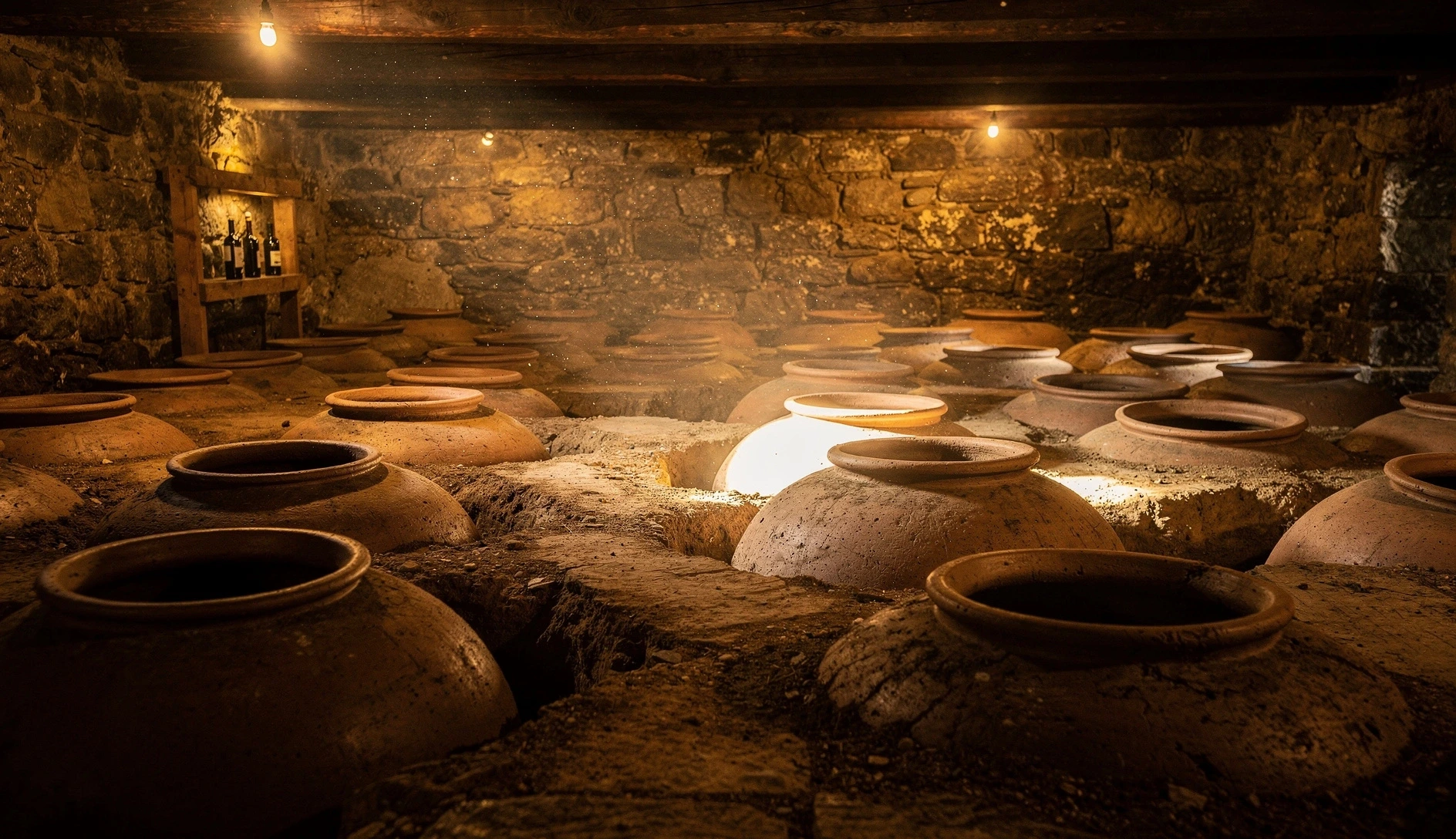
Georgia has over 500 indigenous grape varieties, an 8,000-year winemaking tradition, and more family cellars than anyone has bothered to count. The country produces wine the way most countries produce bread — it's just what people do. Nearly every rural family has a marani (cellar), most have at least a few qvevri buried underground, and offering you a glass of homemade wine isn't hospitality — it's reflex.
For visitors, this creates a paradox of choice. There are hundreds of wineries accepting visitors, ranging from a guy named Giorgi pouring wine in his garden to polished operations with tasting menus and gift shops. This guide helps you figure out which ones are worth your time — and which type of experience you're actually looking for.
Georgia's Wine Landscape at a Glance
Before diving into specific wineries, it helps to understand that Georgian wine experiences fall into distinct categories. The rustic charm of a family cellar is nothing like the polished experience at Château Mukhrani — and both are worth doing. The key is knowing what you want.
Types of Winery Experiences
🏠 Family Cellars
Small operations, often one family. You sit in their garden, taste from the qvevri, eat homemade food. The winemaker is usually the person pouring. Reservations essential — they need to prepare. Expect to pay 30-80 GEL for tasting with generous food included.
🏛️ Commercial Wineries
Larger operations with dedicated tasting rooms, tours, and professional staff. Walk-ins usually welcome. More structured experience with guided tours of production facilities. Tastings range from 30-60 GEL for 4-6 wines. Think Khareba, Shumi, Kindzmarauli Corporation.
🏰 Wine Estates & Châteaux
High-end properties with restaurants, hotels, and manicured grounds. The full luxury experience — wine paired with multi-course meals, overnight stays among vineyards. Château Mukhrani, Lopota Lake Resort, Schuchmann. Premium pricing (100-200+ GEL).
🍷 Urban Wine Bars
For when you don't have time for Kakheti. Tbilisi has excellent wine bars (Vino Underground, g.Vino, Wine Gallery) where you can taste dozens of natural and qvevri wines without leaving the city. Great for education before a winery visit.
Best Strategy
Start with a wine bar in Tbilisi to educate your palate (Vino Underground is ideal). Then visit one commercial winery for the production tour and overview. Finally, go to a family cellar for the soul of Georgian wine. Three experiences, three different angles on the same tradition.
Choose your region before your winery list
If you are not yet sure whether your trip should be Kakheti, Kartli, Imereti, or Racha, read our Georgia wine regions guide first. This page is for choosing wineries once you know which part of the country fits your trip.
Kakheti: The Heartland (70% of Georgian Wine)
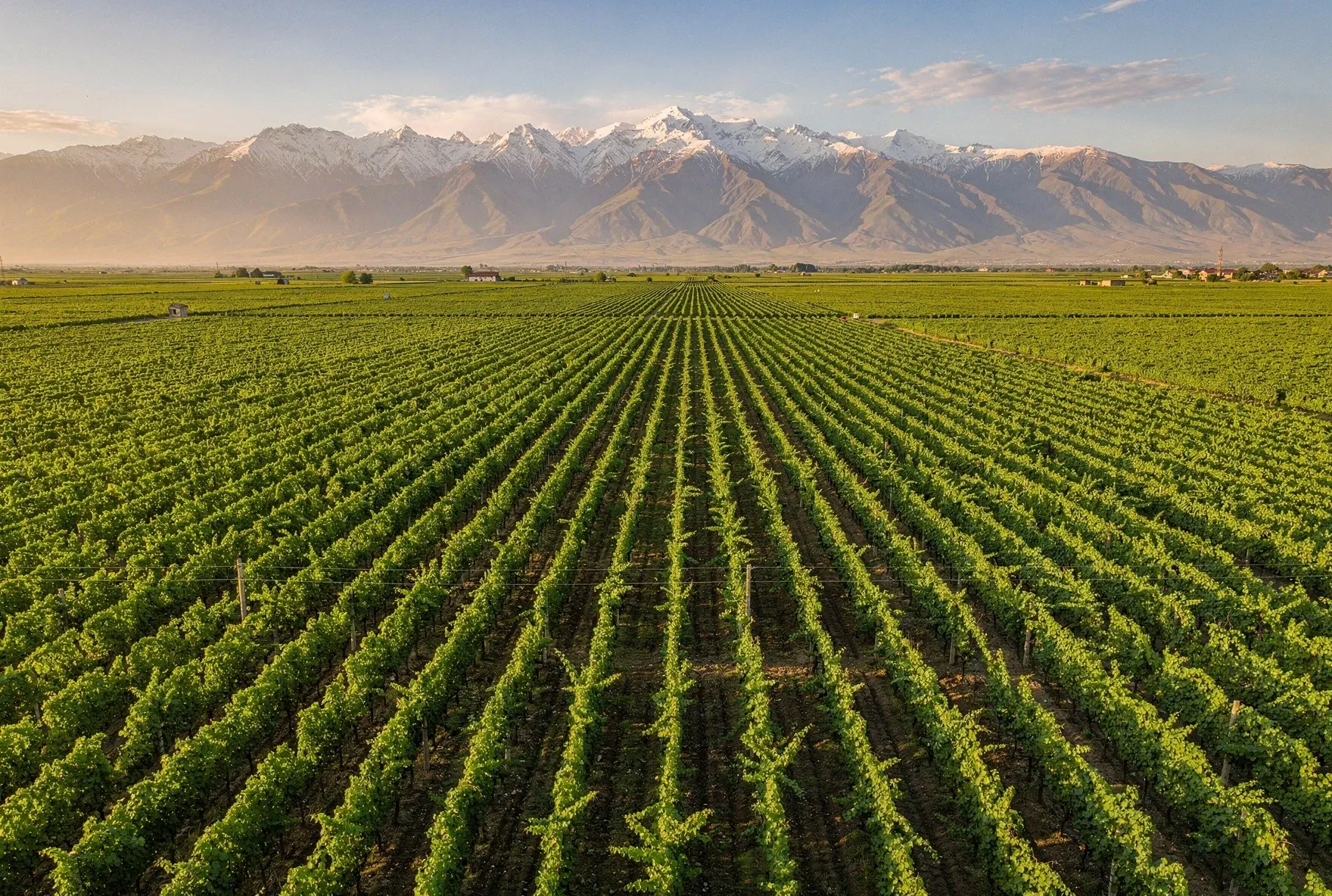
Kakheti is to Georgian wine what Bordeaux is to French wine — except Kakheti has been at it for about 6,000 years longer. The fertile Alazani Valley stretches between the Greater Caucasus and the Gombori mountain range, creating a microclimate that grows grapes almost effortlessly. This is where you'll find the greatest concentration of wineries, from family operations to industrial-scale producers.
The region divides roughly into three corridors: the Telavi area (central, most wineries), the Sighnaghi area (southern, picturesque hilltop town), and the Kvareli-Nekresi corridor (northern, less touristy). Most visitors base themselves in Telavi or Sighnaghi and do day trips.
Family Cellars Worth the Trip
| Winery | Location | What to Expect | Price |
|---|---|---|---|
| Pheasant's Tears (John Wurdeman) | Sighnaghi | The most famous natural wine producer in Georgia. American-born John Wurdeman's wines are exported worldwide. The Sighnaghi tasting room doubles as an excellent restaurant. Their amber Rkatsiteli is a benchmark. | 40-80 GEL |
| Shalauri Wine Cellar | Nr. Telavi | Four friends founded this artisanal winery. Exclusively qvevri wines, including Saperavi from 30-year-old vines. Stunning Caucasus views from the tasting verandah. Exquisite food pairings. | 50-80 GEL |
| Giuaani Winery | Sagarejo | Only 1 hour from Tbilisi — easiest family winery to reach. Been making wine since 1894. Beautiful garden, pool, professional English-speaking staff. Two tour packages: 4 wines (35 GEL) or 6 wines (55 GEL). | 35-55 GEL |
| Okro's Wines (John Okruashvili) | Sighnaghi | Tiny operation, incredible wines. John's qvevri wines have won international awards. Very personal experience — he'll pour wine straight from the qvevri for you. Reserve well ahead. | 40-60 GEL |
| Nika Bakhia's Marani | Artana | Third-generation winemaker. Intimate garden tastings with homemade food that rivals any restaurant. His Mtsvane and Kisi are outstanding. Off the tourist trail — you'll likely be the only visitor. | 30-50 GEL |
Booking Family Cellars
Always call or message ahead. These are people's homes. Most communicate via Facebook or Instagram — Georgian wineries are surprisingly active on social media. Allow 2-3 days' notice. Ask your guesthouse host to call for you if the language barrier is an issue — they'll usually be happy to help and might know the winemaker personally.
Commercial Wineries (Walk-In Friendly)
| Winery | Location | Why Visit | Tasting |
|---|---|---|---|
| Khareba Winery | Kvareli | Georgia's most dramatic winery setting — a 7.7 km tunnel carved into a mountainside where wine ages at a natural 14°C. The tunnel tour is worth it alone. Huge range of wines. Touristy but genuinely impressive. | 30-50 GEL |
| Shumi | Tsinandali | Best for grape variety education. Their vineyard museum grows 300+ grape varieties in one place — you can walk through and see the differences. Good wines, nice grounds, well-organized tours. | 30-45 GEL |
| Kindzmarauli Corporation | Kvareli | Major producer of Kindzmarauli (Georgia's famous semi-sweet red). Good introduction to the style. Modern facilities, professional tours. Nice garden for picnics. | 25-40 GEL |
| Twins Wine Cellar | Napareuli | Twin brothers who won "World's Best Winemaker" at a qvevri competition. Beautiful cellar with the world's largest collection of qvevri (more than 100). Strong international reputation. Book ahead for the full tour. | 40-60 GEL |
| Tsinandali Estate | Tsinandali | Historic palace and estate of the Chavchavadze family. Beautiful gardens, wine museum, and a wine library with 16,500 bottles dating back to 1814. As much a history lesson as a wine tasting. | 15-30 GEL |
Beyond Kakheti: Wine Regions Most Visitors Miss
Kakheti gets 90% of the wine tourism attention, but Georgia has other regions producing distinctive wines that are worth seeking out — especially if you're already traveling west toward Kutaisi or want something closer to Tbilisi.
Kartli (30 Minutes from Tbilisi)
Kartli is Georgia's most convenient wine region — several wineries are a short drive from the capital. The star here is Château Mukhrani, but smaller producers are emerging.
Château Mukhrani
Georgia's most luxurious wine experience. A restored 19th-century royal estate with immaculate grounds, a professional tasting room, and a restaurant. Their wines are European-style (less qvevri, more barrel-aged). Only 40 minutes from Tbilisi. Tours from 35 GEL, premium tastings with food from 80 GEL. Ideal if you want the "Napa Valley" experience in Georgia.
Gotsa Wines
Beka Gotsadze makes some of Georgia's most respected natural wines just outside Tbilisi. Small production, huge reputation. His wines regularly appear on international natural wine lists. Visits by appointment only — contact via Instagram. An under-the-radar pick that wine geeks will appreciate.
Imereti (Around Kutaisi)
Western Georgia's main wine region uses different grape varieties (Tsolikouri, Tsitska, Krakhuna for whites; Otskhanuri Sapere for reds) and a slightly different winemaking method — shorter skin contact than Kakheti, producing lighter, more acidic wines. If you're visiting Kutaisi anyway, add a winery stop.
Baia's Wine
Run by young winemaker Baia Abuladze, one of the new generation of Georgian natural wine producers. Her Tsitska and Tsolikouri are excellent. Small operation with genuine warmth. Near Kutaisi. Contact via Instagram to arrange a visit.
Vartsikhe Marani
An Imeretian winery producing wine using local methods (shorter maceration than Kakhetian qvevri). Good contrast if you've already tasted Kakhetian wines. Their Krakhuna white is distinctive — a variety almost exclusive to Imereti.
Racha (Mountain Wine Country)
Racha is remote, mountainous, and produces Georgia's most celebrated semi-sweet wine: Khvanchkara. Made from the Aleksandrouli and Mujuretuli grapes grown only in this microzone, Khvanchkara was allegedly Stalin's favorite wine (take from that what you will). The region is beautiful but hard to reach — combine it with a broader Racha trip rather than going just for wine.
Wine Tasting Without Leaving Tbilisi
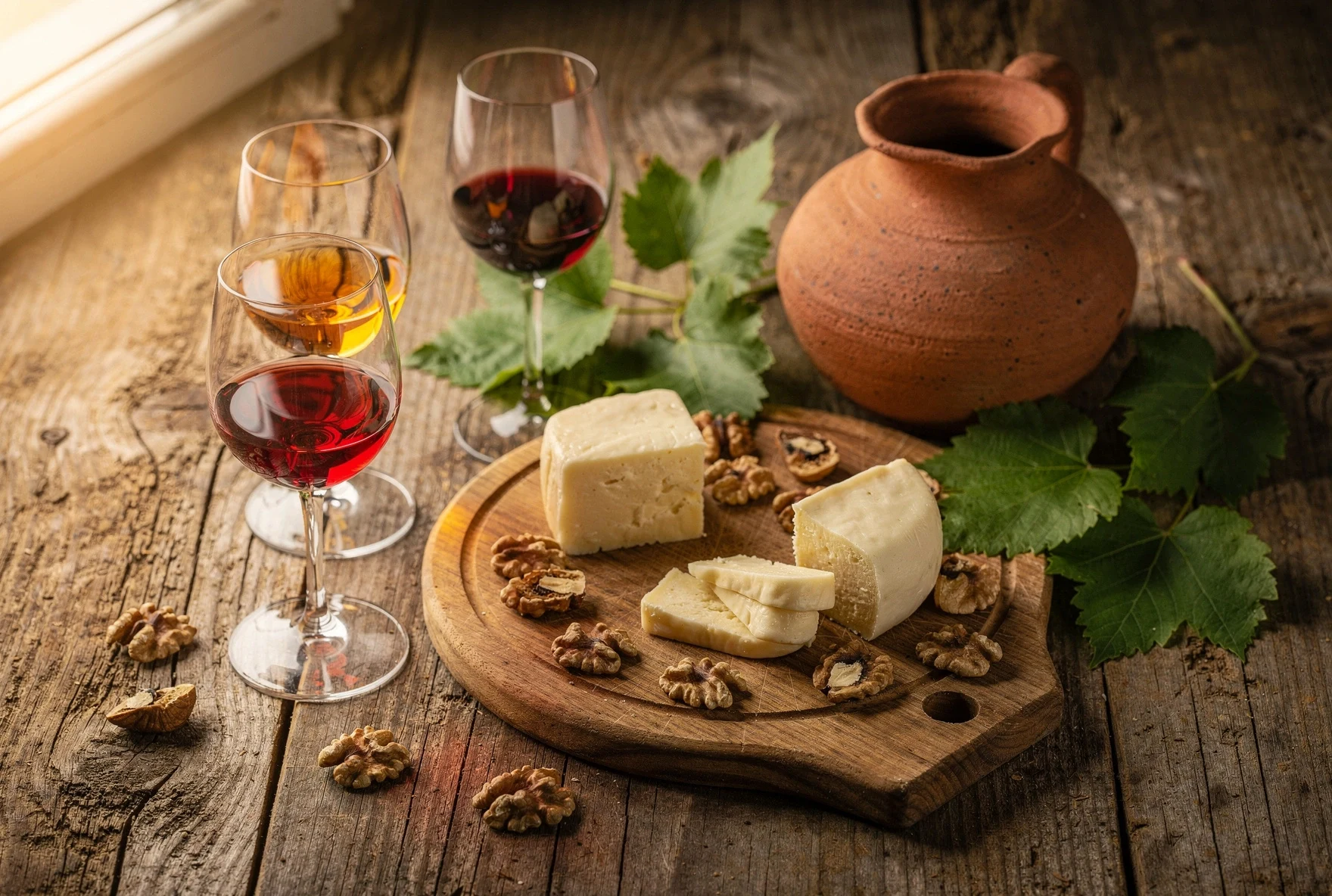
Not everyone has time for a Kakheti trip. The good news: Tbilisi has some of the best wine bars in the Caucasus, and you can taste wines from dozens of producers without leaving the city. Start here before heading to the regions — it'll calibrate your palate and help you figure out what styles you like.
| Venue | Neighborhood | What It's Good For | Price Range |
|---|---|---|---|
| Vino Underground | Old Town | The epicenter of Tbilisi's natural wine scene. Rotating selection from 50+ small producers. Staff are incredibly knowledgeable. Best first stop to learn about Georgian wine. | 8-25 GEL/glass |
| g.Vino | Vera | Upscale wine bar and restaurant in a beautiful old house. Excellent food pairings. Huge wine list covering both natural and conventional Georgian wines. Good for a special evening. | 12-40 GEL/glass |
| Wine Gallery | Rustaveli | Part wine shop, part tasting room. Self-pour machines let you try small amounts of many wines. Good selection of qvevri and amber wines. Helpful if you want to buy bottles to take home. | 5-20 GEL/pour |
| Ghvinis Ubani (Wine District) | Old Town | Casual wine bar near the sulfur baths. Wide selection of Georgian wines by the glass in a relaxed setting. Good value. Nice for an afternoon tasting session. | 6-15 GEL/glass |
Key Grape Varieties to Know
You don't need to memorize 525 grape varieties, but knowing the major ones will make your tastings far more interesting. Georgian grapes are unlike anything in the Western wine canon — these varieties exist almost nowhere else on earth.
| Grape | Color | Region | Tasting Notes |
|---|---|---|---|
| Saperavi | Red | Kakheti | Georgia's king grape. Deep, dark, tannic. Cherry, plum, sometimes chocolate. One of only a few "teinturier" grapes (red flesh, not just skin). Ages beautifully. |
| Rkatsiteli | White/Amber | Kakheti | Georgia's workhorse white. When made in qvevri with skin contact, becomes a deep amber wine with notes of dried apricot, tea, and honey. Completely different from European whites. |
| Mtsvane | White/Amber | Kakheti | "Green one" — aromatic, floral, lighter than Rkatsiteli. Often blended with Rkatsiteli. Excellent as a single-variety amber wine. Look for it at smaller producers. |
| Kisi | White/Amber | Kakheti | A rare variety making a comeback. Rich, honeyed, with a waxy texture. Only the best producers work with it. If you see it on a tasting menu, try it. |
| Tsolikouri | White | Imereti | Western Georgia's main white. Crisp, citrusy, lighter than Kakhetian wines. Different winemaking method (shorter skin contact) makes for a more "European" style. |
| Aleksandrouli | Red | Racha | Blended with Mujuretuli to make Khvanchkara, Georgia's most celebrated semi-sweet wine. Grown only in Racha's high-altitude microzones. |
The Amber Wine Thing
If you've heard of "orange wine" in Brooklyn or London, it originated here. Georgian amber wine is made by fermenting white grapes with their skins and seeds in qvevri for months. The result is a deep gold/amber color, tannic structure, and flavors completely unlike conventional white wine. Love it or hate it, you should try it — it's Georgia's most distinctive contribution to the wine world.
Planning Your Winery Visits
Getting There
| Option | Cost | Best For | Notes |
|---|---|---|---|
| Hire a Driver | 100-150 GEL/day | Best overall option | Ask your hotel/guesthouse. Driver knows the roads, you can drink freely. Usually includes car + fuel. |
| Organized Day Tour | 80-200 GEL/person | Solo travelers, convenience | Book via hotels or GetYourGuide. Usually visits 2-3 wineries + lunch. Quality varies — ask which wineries they visit. |
| Rental Car | 60-100 GEL/day | Maximum flexibility | Great for couples/groups. Designate a driver — police checkpoints are common in Kakheti. Roads are mostly good. |
| Marshrutka + Taxi | 10-50 GEL total | Budget travelers | Marshrutka to Telavi (10 GEL, 2.5 hrs from Ortachala). Then local taxis between wineries. Works but slow. |
Sample Itineraries
Day Trip from Tbilisi
Morning: Drive to Giuaani Winery (1 hr) for first tasting. Midday: Continue to Tsinandali Estate for history + tasting. Lunch: Shalauri Wine Cellar (food + wine). Afternoon: Drive to Sighnaghi, walk the town, finish at Pheasant's Tears for dinner. Evening: Return to Tbilisi (1.5 hrs).
2-Day Kakheti Wine Trip
Day 1: Tbilisi → Sagarejo (Giuaani) → Telavi area (Shumi, Twins Wine Cellar) → overnight in Telavi. Day 2: Kvareli (Khareba tunnel winery) → Nekresi Monastery → family cellar near Kvareli → Sighnaghi (Pheasant's Tears dinner) → Tbilisi. Pace yourself — 2-3 wineries per day max.
Tbilisi-Only Wine Day
Afternoon: Vino Underground for natural wine education (2-3 glasses). Walk to Wine Gallery for self-pour exploration. Evening: Dinner at g.Vino with wine pairings. Night: Wine District or Pheasant's Tears Tbilisi for a final glass. Total: 12-15 different wines tasted.
Kartli Half-Day (Closest to Tbilisi)
Morning: Drive to Château Mukhrani (40 min). Take the full tour + tasting. Lunch at their restaurant. Afternoon: Visit Gotsa Wines (by appointment) on the way back. Return to Tbilisi by 5 PM. Perfect if you have limited time.
What It Actually Costs
Kakheti Day Trip Budget (2 People)
For context, a comparable day of wine tasting in Napa Valley would cost $200-400 per person in tasting fees alone — before food, transport, or bottles. Georgian wine tourism remains one of the best values in the wine world.
Practical Tips
🍞 You Will Be Fed
Georgian wine tasting is never just wine. At family cellars, expect a full spread: cheese, bread, pkhali, sometimes a complete supra meal. Don't eat a big breakfast before visiting — you'll need the stomach space. At commercial wineries, food is usually extra.
🚗 Don't Drive After Tasting
Georgia has zero-tolerance drunk driving laws (0.0% BAC for some categories, 0.03% for others). Police checkpoints are common on Kakheti roads, especially weekends. Hire a driver or designate a sober person. Getting caught is expensive and can involve jail time.
📦 Buying Wine to Take Home
Buy directly from wineries — prices are 30-50% cheaper than Tbilisi shops. Most will pack bottles for travel. EU and UK customs allow 4 liters of wine duty-free. Georgia has no export restrictions on wine. Buy at wineries, not airports.
🗣️ Language Tips
Commercial wineries have English-speaking staff. Family cellars usually don't — but Google Translate, hand gestures, and the universal language of wine go a long way. Your driver or guesthouse host can help translate. "Gaumarjos!" (cheers) is all you really need.
Best Time to Visit
September-October (Rtveli): Grape harvest season. Many wineries let you participate — picking grapes, stomping them, watching qvevri being filled. Festive atmosphere with harvest supras. Book early. Spring (April-May): Vineyards are lush green, pleasant temperatures. Summer: Hot (35°C+ in Kakheti) but wineries are shaded and wines are cold. Winter: Quiet, atmospheric cellar visits. Some smaller operations close.
The Honest Warnings
Georgian wine tourism is wonderful, but it's not without rough edges. Being prepared for these will save you frustration:
| Issue | Reality |
|---|---|
| Overpouring | Georgians consider it rude to let a guest's glass be empty. You will be poured more than you can (or should) drink. It's perfectly fine to leave wine in your glass or politely decline refills — no one will be offended despite what it feels like. |
| Tour Group Wineries | Some commercial wineries cater heavily to bus tours (especially from Russia and the Gulf states). If you arrive when a 40-person group is there, the experience suffers. Visit early morning or late afternoon, or stick to smaller producers. |
| Quality Varies Wildly | Not all Georgian wine is good. Some family cellars produce brilliant wine; others produce something closer to vinegar. The wineries in this guide are vetted, but random roadside stops are a gamble. |
| The Semi-Sweet Thing | Many popular Georgian wines (Kindzmarauli, Khvanchkara, Tvishi) are semi-sweet. If you're used to dry wines, these can be a shock. Give them a chance — they're not "cheap sweet wine." They're a legitimate style with centuries of tradition. |
| Infrastructure | Don't expect Napa Valley polish. Roads can be rough, signage is minimal, GPS coordinates sometimes lead to a neighbor's yard. This is part of the charm — and part of why having a local driver matters. |
Frequently Asked Questions
How much does a wine tasting cost?
Free to 80 GEL depending on the winery. Family cellars typically include food. Commercial wineries charge 30-60 GEL for a structured tasting of 4-6 wines.
Do I need to book ahead?
Family cellars: always book 2-3 days ahead. Commercial wineries: walk-ins usually fine, but booking guarantees a better experience. Many accept reservations via Facebook or Instagram DM.
Can I visit without a car?
Yes — take an organized day tour (80-200 GEL), or marshrutka to Telavi/Sighnaghi and taxi between wineries. For Tbilisi-only, the wine bars are excellent. A hired driver (100-150 GEL/day) is the best middle ground.
When is the best time to visit?
September-October for Rtveli harvest. Spring for green vineyards. Wineries are open year-round. Avoid mid-August (extreme heat in Kakheti).
What is qvevri wine?
Wine fermented in large clay vessels buried underground — an 8,000-year-old method and UNESCO heritage. Creates distinctive amber wines from white grapes. Most wineries offer both qvevri and European-method wines.
Which region should I visit first?
Kakheti. It produces 70% of Georgian wine and has the most visitor-friendly infrastructure. The Telavi-Sighnaghi corridor has the highest concentration of quality wineries.
Written by The Georgian Guide Team
We've spent years drinking our way through Georgia's wine regions — from tiny family cellars where the winemaker pours directly from the qvevri to polished estates with professional sommeliers. This guide reflects dozens of visits across Kakheti, Kartli, and Imereti.
Last updated: March 2026.
Related Articles
Georgian Wine Culture: 8,000 Years of Tradition
Qvevri, amber wine, supra toasts, and why Georgian wine is unlike anything you've tasted before.
Kakheti Wine Region: The Complete Travel Guide
Everything you need for a trip to Georgia's premier wine region — towns, sights, and where to stay.
Kakheti Wine Road Trip
A self-drive itinerary through Georgia's wine heartland — vineyard stops, monastery visits, and scenic routes.
Best Restaurants in Tbilisi: Where Locals Actually Eat
An honest neighborhood-by-neighborhood guide to dining in Tbilisi.