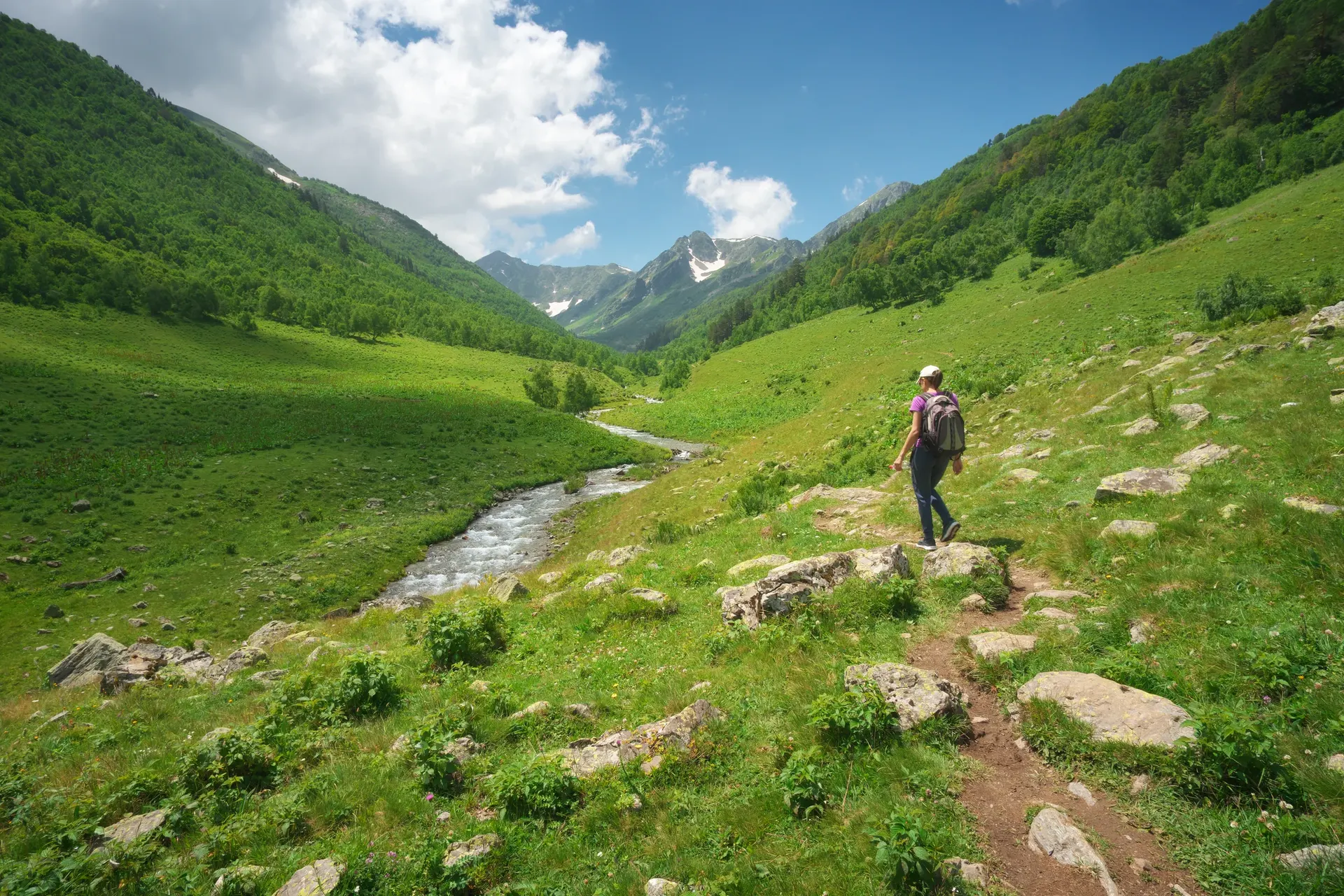
Somewhere in northeast Georgia, a dirt road built in the 1980s climbs from the Alazani Valley floor to 2,826 metres, crosses a mountain pass with no guardrails, and descends into one of the most isolated inhabited regions in Europe. Locals call it the road to Omalo. The internet calls it one of the most dangerous roads in the world.
Both names are accurate.
The road to Tusheti via the Abano Pass isn't some manufactured thrill ride for adrenaline tourists. It's a functioning supply line for the shepherds and villagers who spend their summers in this remote corner of the Caucasus — and it has been claiming lives for decades. Memorial crosses dot the roadside at the spots where trucks went over the edge.
But here's the thing: if you do it right — right vehicle, right driver, right conditions — the drive to Tusheti is one of the most spectacular experiences in Georgia. The region itself is unlike anywhere else in the country: medieval stone towers, alpine meadows, shepherds moving thousands of sheep up ancient paths, and villages that feel like they haven't changed in centuries.
This guide covers everything you need to know to get there safely. (Also see: Is Georgia Safe?)
Understanding the Road
The Tusheti road — officially the Pshaveli–Abano–Omalo road — starts in the lowlands of Kakheti and ends in the village of Omalo inside Tusheti National Park. The total distance from Kvemo Alvani (the nearest town at the base) to Omalo is about 77 kilometres. That doesn't sound far until you realize the average speed is 20–30 km/h.
The road was built in the Soviet era and has seen only minor improvements since. It's unpaved for most of its length, crosses tight switchbacks where you sometimes need to reverse to make the turn, passes under waterfalls that cascade directly onto the roadway, and runs alongside sheer drops with nothing between your tyres and a several-hundred-metre fall.
Oh, and for much of the ascent, the mountainside is actively shedding slate and loose rock onto the road surface.
This is Not a Tourist Road
Fatal accidents happen on this road every summer. Alcohol and inexperience are almost always factors. Do not treat this drive casually, and do not get in a vehicle with a driver who has been drinking — no matter how many times they say they've done the road before.
The Georgian government has committed roughly 100 million GEL to upgrading the road, and conditions have improved significantly in recent years — sections have been widened and levelled. But it remains one of the most challenging drives in the Caucasus, and the roads between villages inside Tusheti are arguably worse than the pass itself.
The Route: Tbilisi to Omalo
The drive from Tbilisi breaks down into two distinct stages, and they couldn't be more different.
| Stage | Route | Distance | Time | Road Quality |
|---|---|---|---|---|
| Stage 1 | Tbilisi → Kvemo Alvani (via Gombori Pass) | ~113 km | 2–2.5 hrs | Paved, good condition |
| Stage 2 | Kvemo Alvani → Abano Pass → Omalo | ~77 km | 3.5–4 hrs | Unpaved, dangerous |
| Total | Tbilisi → Omalo | ~190 km | 5.5–6 hrs | Mixed |
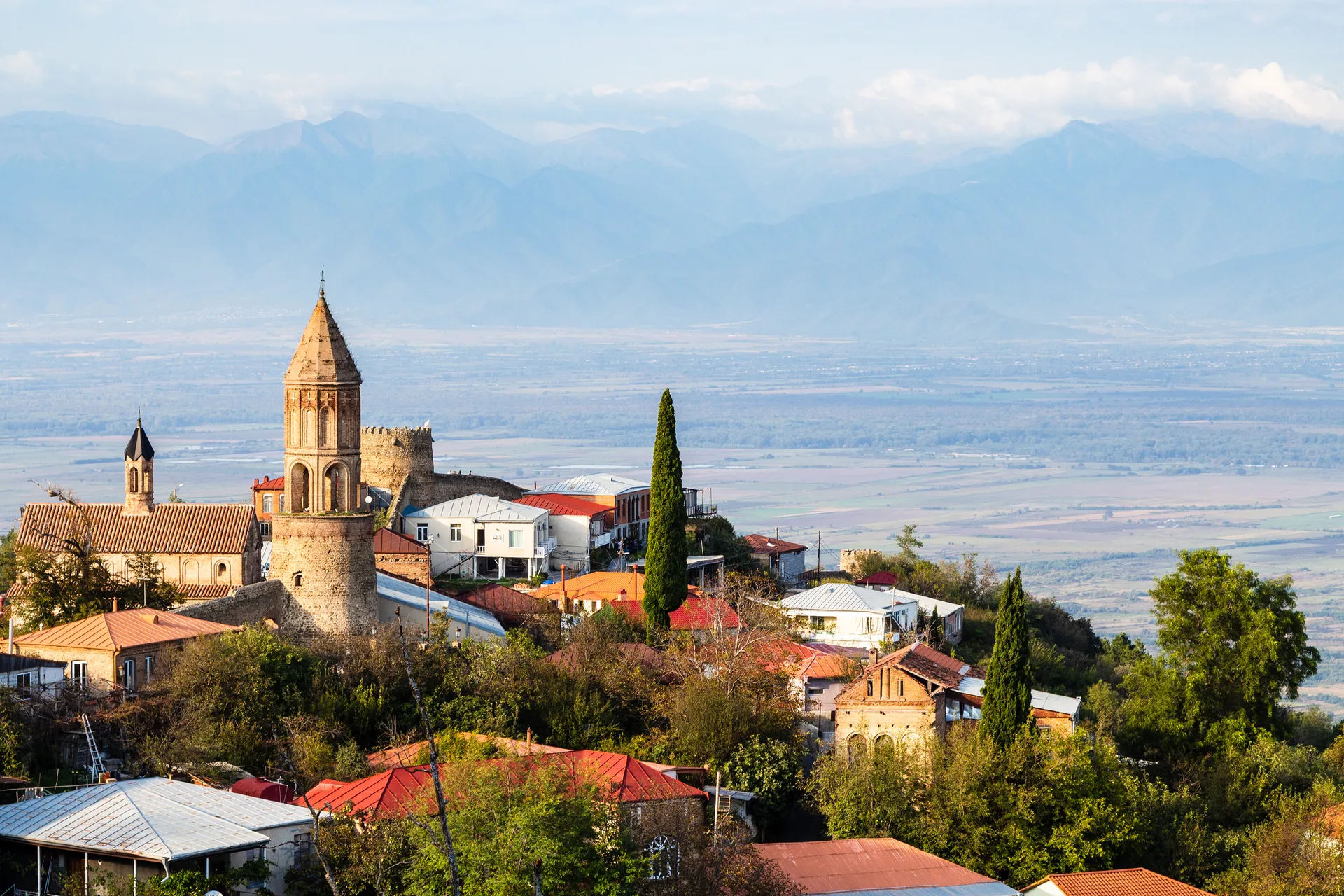
Stage 1 takes you through the wine country of Kakheti via the scenic Gombori Pass. This is a normal Georgian mountain road — paved, winding, beautiful. You'll pass through the Alazani Valley with views of the Greater Caucasus on the horizon. Stop for breakfast in Telavi if you're leaving early.
Stage 2 is where it gets real. From Kvemo Alvani, the road starts climbing immediately. The first section winds through forest, gaining elevation steadily. Then come the switchbacks — a series of tight hairpin turns that take you from about 1,600 metres to 2,100 metres. Some of these bends are so tight that a Land Cruiser needs to reverse to make the turn.
Above the switchbacks, the road narrows further and runs along exposed mountainside. This is the section you've seen in photos — the one where the road is a narrow shelf with a wall of rock on one side and nothing on the other. Waterfalls cross the road surface in several places, creating mud and reducing visibility.
At 2,826 metres, you reach the Abano Pass — the highest point and, mercifully, the hardest part is behind you. The descent into Tusheti is less exposed but still rough and slow. You'll reach Omalo about 90 minutes after the pass.
The Key Sections of the Road
| Section | Elevation | Description | Difficulty |
|---|---|---|---|
| Forest climb | 460–1,600m | Gradual ascent through forest. Unpaved but relatively wide. | Moderate |
| The switchbacks | 1,600–2,100m | 6 tight hairpin bends. Some require reversing. Steep drops begin. | Hard |
| Exposed traverse | 2,100–2,826m | Narrow shelf road, sheer drops, waterfalls crossing road, rockfall. | Extreme |
| Abano Pass | 2,826m | Summit. Flat area, panoramic views. Good rest stop. | Easy |
| Descent to Omalo | 2,826–1,850m | Less exposed but rough surface. Alpine meadows, first views of towers. | Moderate |
How to Get There: Your Options
There are essentially four ways to reach Tusheti, and they differ enormously in cost, safety, and stress level.
🚙 Hire a Local Driver (Recommended)
A local driver with a proper 4WD (usually Toyota Land Cruiser or Mitsubishi Delica) who knows every switchback. This is what most experienced travellers choose.
Cost: 400–600 GEL one-way (Alvani→Omalo) for the vehicle, split between passengers
🚐 Shared Taxi/Minivan
Shared 4WD vehicles depart from Alvani or Telavi when full (usually 6–8 passengers). Cheapest option but no schedule — you wait until there are enough passengers.
Cost: 60–80 GEL per person one-way
🚗 Self-Drive (4WD Only)
Possible if you have a high-clearance 4WD, mountain driving experience, and nerves of steel. No fuel available in Tusheti — fill up completely before the climb.
Cost: 4WD rental from ~150 GEL/day + fuel. No regular car will make it.
🚁 Helicopter (Seasonal)
The government occasionally runs helicopter flights from Tbilisi to Omalo in summer. Beautiful, fast, expensive, and unreliable — flights cancel for weather constantly.
Cost: ~200 GEL per person (when available)
The Smart Move
Book a local driver through your guesthouse in Omalo. They'll arrange a trusted driver to pick you up from Alvani or Telavi. Guesthouses have long-standing relationships with drivers and won't send someone unreliable — their reputation depends on it. Ask specifically for a driver who doesn't drink on the road.
Should You Self-Drive?
This is the question everyone asks, and the honest answer is: probably not, unless you have serious mountain driving experience.
People do self-drive the Abano Pass every summer. Some in proper Land Cruisers, some in Subaru Foresters, and a few in vehicles that have no business being on that road. The ones who make it usually describe it as the most stressful drive of their lives.
The issue isn't just the road surface or the drops. It's the combination of factors:
- Oncoming traffic on a road barely wide enough for one vehicle
- No passing spots on the exposed sections — someone has to reverse
- Loose rock falling from above without warning
- Waterfalls reducing visibility and making the surface slippery
- Altitude — you're driving at 2,800m, which affects both you and your engine
- No phone signal for most of the route
- No fuel in Tusheti — if you miscalculate, you're stranded
| Self-Drive If... | Hire a Driver If... |
|---|---|
| You have extensive off-road mountain experience | This is your first time on an unpaved mountain road |
| You have a proper high-clearance 4WD (not a crossover) | You're renting a vehicle and unsure of its capabilities |
| You're comfortable reversing on cliff edges | Heights or exposed roads make you anxious |
| You want to explore Tusheti's interior villages freely | You're mainly going to Omalo or Dartlo |
If you do self-drive, here's the non-negotiable list: full tank, spare tyre (two is better), tow rope, water, food, a charged phone with offline maps, and tell someone your expected arrival time. Drive in daylight only. Never attempt the road in fog, rain, or after dark.
When to Go
Tusheti is a seasonal destination. The road typically opens in late May or early June and closes by mid-to-late September when the first snow arrives. Outside this window, the pass is completely impassable — the only way in or out is by helicopter.
| Period | Conditions | Notes |
|---|---|---|
| Late May – mid June | Road just opened. Snow patches possible near pass. | Shepherd migration — road can be crowded with livestock |
| Late June – July | Best road conditions. Dry, warm. | Peak wildflower season. Best time for hiking. |
| August | Good conditions. Occasional afternoon storms. | Peak tourist season. Guesthouses fill up. |
| September | Road deteriorating. Cold nights, weather unpredictable. | Autumn colours. Fewer tourists. Road may close early. |
| October – April | Road closed. Snow and ice make it impassable. | Only helicopter access (unreliable). |
Best Window: Late June to Late July
The road is in its best condition, the weather is warm and stable, wildflowers carpet the alpine meadows, and guesthouses are open but not yet at full capacity. Late June also catches the tail end of the shepherd migration — an incredible sight.
What to Expect on the Drive
No amount of reading fully prepares you for the drive to Tusheti. But here's a rough idea of how the experience unfolds, assuming you're starting from Tbilisi early in the morning.
6:00 AM – Tbilisi to Gombori Pass (2 hours): An easy drive east through the outskirts, then into the rolling hills of Kakheti. The Gombori Pass itself is a scenic mountain road, paved and well-maintained. You'll catch your first views of the Greater Caucasus on a clear day.
8:00 AM – Alvani area (30 minutes): If you're picking up a local driver or transferring vehicles, this is where it happens. Fuel up here — this is your last chance. Grab water and snacks. Use a bathroom.
8:30 AM – The climb begins (2 hours to Abano Pass): The road immediately turns to dirt. The first section through forest is manageable — bumpy but not scary. Then the switchbacks start. Your driver will stop frequently, both to rest and to check for oncoming traffic before blind corners. This is when you'll see your first memorial crosses.
10:30 AM – Abano Pass (30-minute rest): When you see the flat area at the top, you'll feel an immediate wave of relief. The views are extraordinary — you can see the switchbacks you just climbed snaking down below, and ahead, the first glimpses of Tusheti's valleys and towers. Everyone gets out to breathe, take photos, and probably text their loved ones now that there might be brief phone signal.
11:00 AM – Descent to Omalo (90 minutes): The road down is less terrifying but still rough. You'll pass through alpine meadows and get your first proper views of the stone towers that Tusheti is famous for. The landscape opens up beautifully.
12:30 PM – Omalo: You've made it. Your guesthouse host will probably greet you with chacha (grape brandy). Decline politely if you plan to drive anywhere else today — the roads between Tusheti villages are no joke either.
Safety Tips
Let's be blunt: people die on this road. Not often, but regularly enough that it's not an abstract risk. Here's how to minimise yours.
🚫 Never Drive in Bad Weather
Fog, heavy rain, or snow on the road = do not attempt the pass. Wait a day. Tusheti will still be there tomorrow. Your life is worth more than sticking to a schedule.
🍺 Sober Drivers Only
Some local drivers drink to calm their nerves. This is the single biggest risk factor on this road. If your driver has been drinking — at all — do not get in the vehicle. Find another driver.
🌅 Daylight Only
Leave Alvani by 9 AM at the latest. You need to complete the pass well before dark. There are no lights, no reflectors, and no margin for error at night.
📱 Tell Someone
Share your plans with someone not on the trip. Give them your expected arrival time in Omalo. Phone signal disappears for most of the drive and is spotty even in Tusheti.
⛽ Full Tank + Spare Fuel
There are no petrol stations in Tusheti. Fill up in Alvani or Telavi. If you plan to drive between villages, consider carrying extra fuel.
🗺️ Offline Maps
Download Maps.me or Google Maps offline data for the Tusheti region before leaving Tbilisi. You won't have reliable data for navigation.
What to Pack for Tusheti
Tusheti is remote. There are no ATMs, no pharmacies, no shops beyond basic village stores. Pack like you're going to a place where help is far away — because you are.
| Category | Items | Why |
|---|---|---|
| Cash | Enough GEL for your entire stay | No ATMs anywhere in Tusheti |
| Layers | Warm fleece, rain jacket, hat | Omalo is at 1,850m — nights are cold even in summer |
| Hiking boots | Ankle-support, waterproof | Tusheti's best experiences require walking |
| First aid | Basic kit + any personal medication | Nearest hospital is hours away |
| Power bank | Large capacity, fully charged | Guesthouses may have limited/intermittent electricity |
| Snacks & water | For the drive + first day | No shops until Omalo, and selection is basic |
| Torch/headlamp | Essential | No street lights in villages. Paths are unlit at night. |
Where to Stay in Tusheti
Omalo is the main hub and where most first-timers stay. But Tusheti has several villages worth visiting, each with a different character.
| Village | Character | Best For | Guesthouses |
|---|---|---|---|
| Omalo (Lower) | Tusheti's "main town." Most services and guesthouses. | First-time visitors, hiking base | 10+ |
| Omalo (Upper/Keselo) | Fortress ruins with medieval towers. Stunning views. | Photography, history | 2–3 |
| Dartlo | Beautifully preserved tower village. Quieter, more atmospheric. | Architecture lovers, solitude seekers | 5–6 |
| Shenako | Small village with a famous church on a cliff edge. | Peace and quiet | 2–3 |
| Diklo | Remote frontier village near the Dagestan border. | True isolation, hiking | 1–2 |
Booking Guesthouses
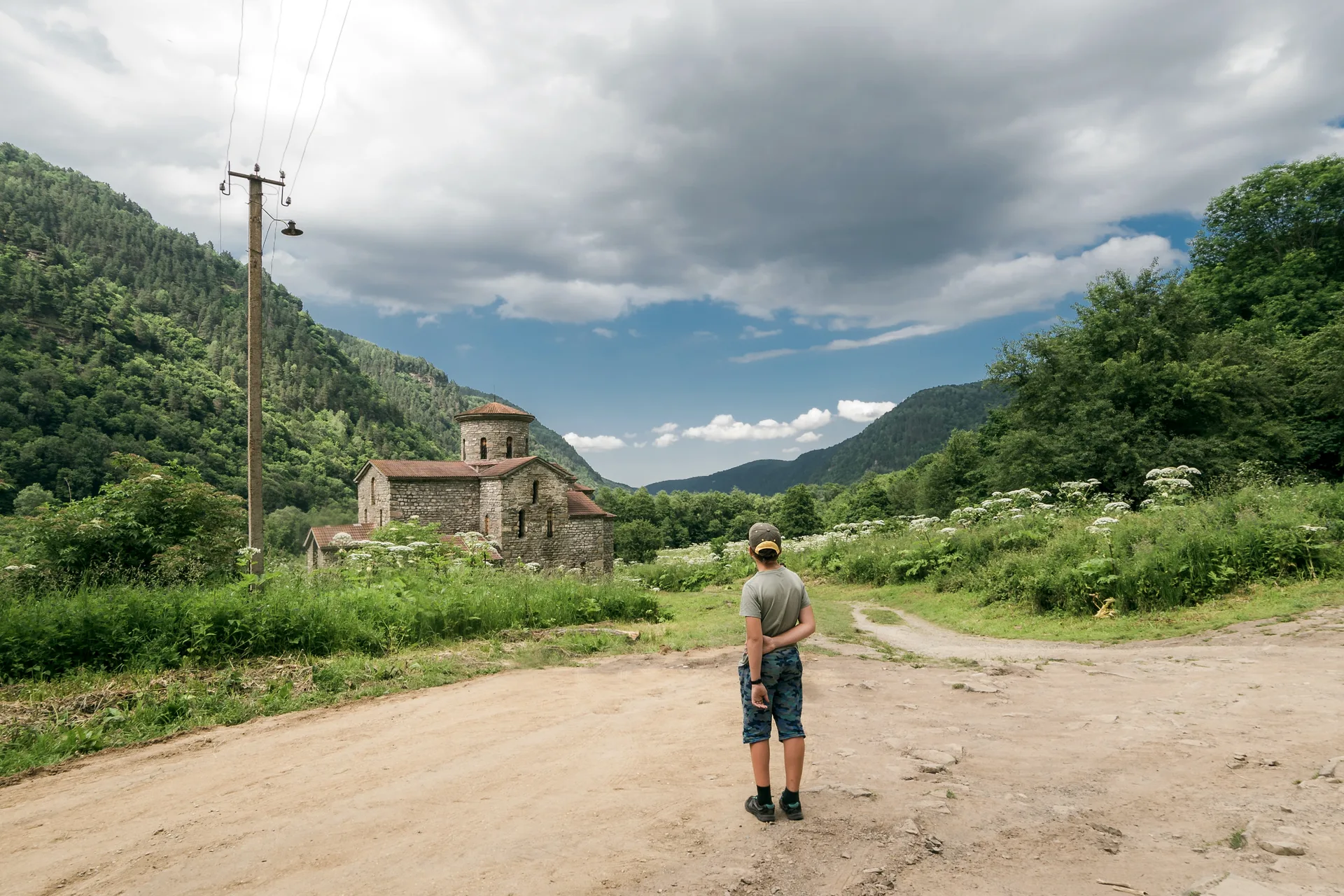
Most Tusheti guesthouses aren't on Booking.com. You'll need to find them through Tusheti tourism Facebook groups, local contacts, or the Tusheti National Park visitor centre. Book ahead in August — capacity is limited and places fill up. Expect to pay 80–120 GEL per person for full board (bed + dinner + breakfast). The food is consistently excellent.
Costs Breakdown
Tusheti Trip Budget (Per Person, 3 Nights)
That's roughly $160–240 USD for a 3-night trip, which makes Tusheti one of the best-value mountain destinations in Europe. The guesthouse meals alone — homemade bread, local cheese, stews, chacha — would cost you more in a Tbilisi restaurant.
What to Do in Tusheti
The point of going to Tusheti isn't to tick off attractions. It's to exist in a place that feels like it hasn't been touched by the modern world. That said, there's plenty to fill your days.
🏔️ Hike to Keselo Fortress
A short but steep walk from Lower Omalo to the ruined fortress towers above. The panoramic views of the valleys and peaks are some of the best in Georgia. Go for sunset.
🏘️ Visit Dartlo
The most photogenic village in Tusheti. Stone towers, slate roofs, cobbled paths. The drive from Omalo takes about an hour over rough roads, or it's a full-day hike.
🐑 Watch the Shepherd Migration
In late May/early June, Tushetian shepherds drive thousands of sheep up from Kakheti over the pass. One of the last pastoral migrations in Europe. National Geographic has documented it.
🥾 Multi-Day Treks
The Omalo–Shatili trek is legendary — 3–4 days through remote passes with no settlements. For experienced trekkers only. A guide is essential.
But honestly? Some of the best moments in Tusheti are the simplest ones. Sitting on a guesthouse porch watching clouds move across the valleys. Drinking tea with your host while they tell stories about winters when the village was completely cut off. Watching the light change on the towers at golden hour. This is a place for slowing down.
Common Mistakes
❌ Only spending one night
The drive is exhausting. You need at least 2 nights, ideally 3+, to actually enjoy Tusheti rather than just surviving the road both ways.
❌ Not bringing enough cash
No ATMs, no card machines. Bring more GEL than you think you'll need. Your driver, guesthouse, and any guides all need to be paid in cash.
❌ Attempting the road in a sedan
A regular car will not survive this road. The potholes, water crossings, and rock shelves require high clearance and 4WD. You'll damage the vehicle or get stuck.
❌ Going in September without backup plans
The road can close with very little warning in late season. If snow comes early, you could be stuck waiting for a helicopter that may or may not come. Plan buffer days.
❌ Expecting tourist infrastructure
There are no restaurants, no souvenir shops, no WiFi cafés. This is a remote mountain region with basic guesthouses. That's the whole point — but come prepared.
❌ Underestimating inter-village roads
The roads between Tusheti villages (Omalo to Dartlo, Omalo to Diklo) can be worse than the Abano Pass. You need a 4WD for everything inside Tusheti.
Frequently Asked Questions
Is the road to Tusheti really that dangerous?
Yes. Fatal accidents happen every summer, though the road has improved significantly. The danger is real but manageable with a professional driver, good weather, and daylight. Don't let fear stop you — let it make you careful.
Can I get to Tusheti without driving the Abano Pass?
Seasonal government helicopter flights operate from Tbilisi. Also, the multi-day Omalo–Shatili hiking trail enters from the west. But for most visitors, the road via Abano Pass is the only practical option.
Do I need a guide in Tusheti?
For Omalo and Dartlo, no — they're manageable independently. For multi-day hikes like Omalo–Shatili, a guide is essential. Trails are unmarked, there's no phone signal, and weather changes fast.
Is there phone signal or internet in Tusheti?
Spotty at best. Some guesthouses in Omalo have WiFi (slow). Magticom has the best coverage of Georgian carriers. Don't count on being connected.
How far in advance should I book?
In July–August, book guesthouses at least 2 weeks ahead. In June or September, you can usually find a bed with a few days' notice. Transport should be arranged 3–5 days in advance through your guesthouse.
Written by The Georgian Guide Team
Based in Tbilisi with years of experience exploring Georgia's mountain regions. We've driven the Tusheti road, survived the switchbacks, and can confirm the guesthouse food is worth the terrifying drive.
Last updated: February 2026.
Related Articles
The Georgian Military Highway
Tbilisi to Kazbegi — the most famous drive in the Caucasus.
12 Best Hikes in Georgia
From easy day walks to epic multi-day treks across the Caucasus.
Svaneti Travel Guide
Georgia's other tower region — Mestia, Ushguli, and mountain trails.
Is Georgia Safe?
The honest safety guide — including mountain driving risks.