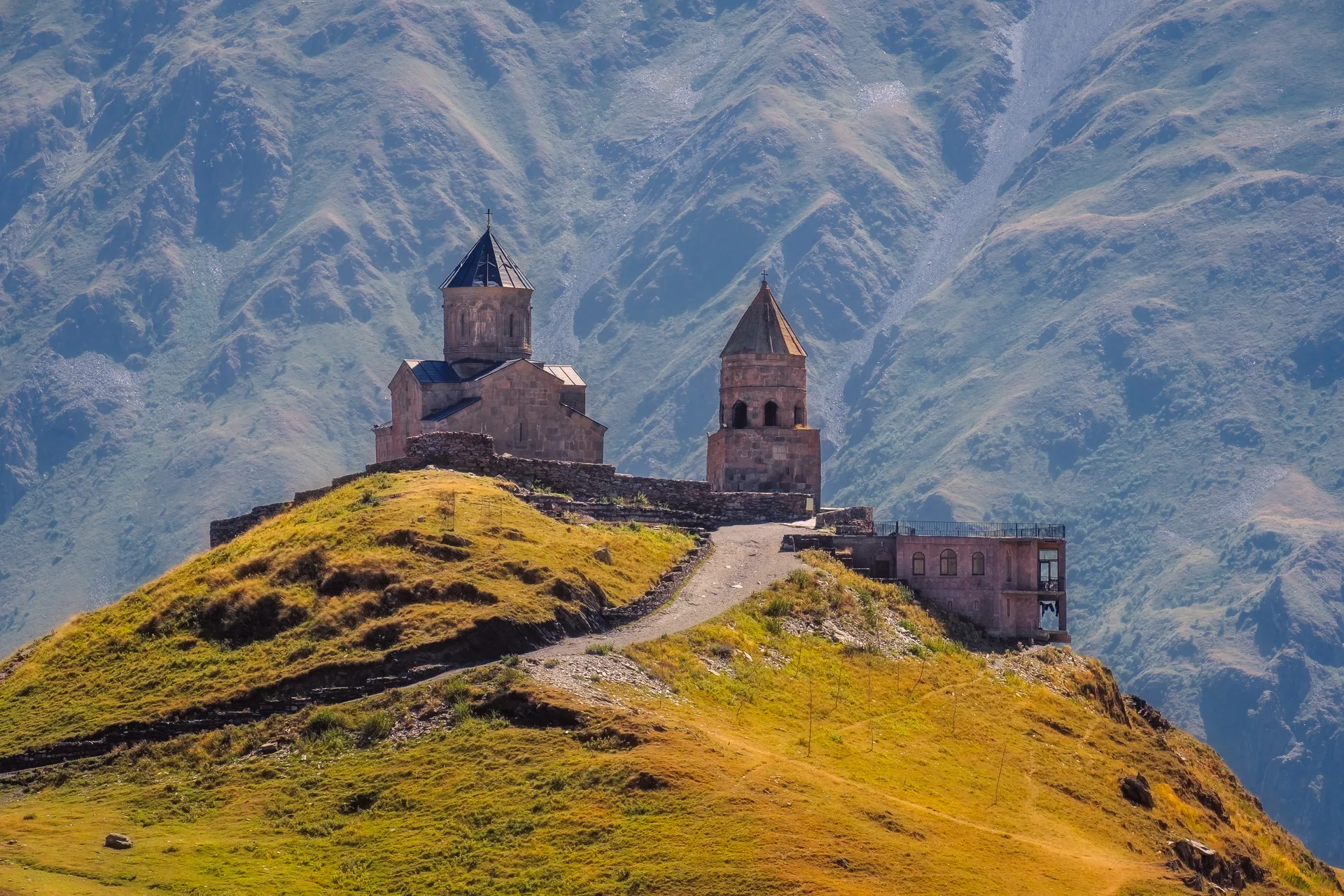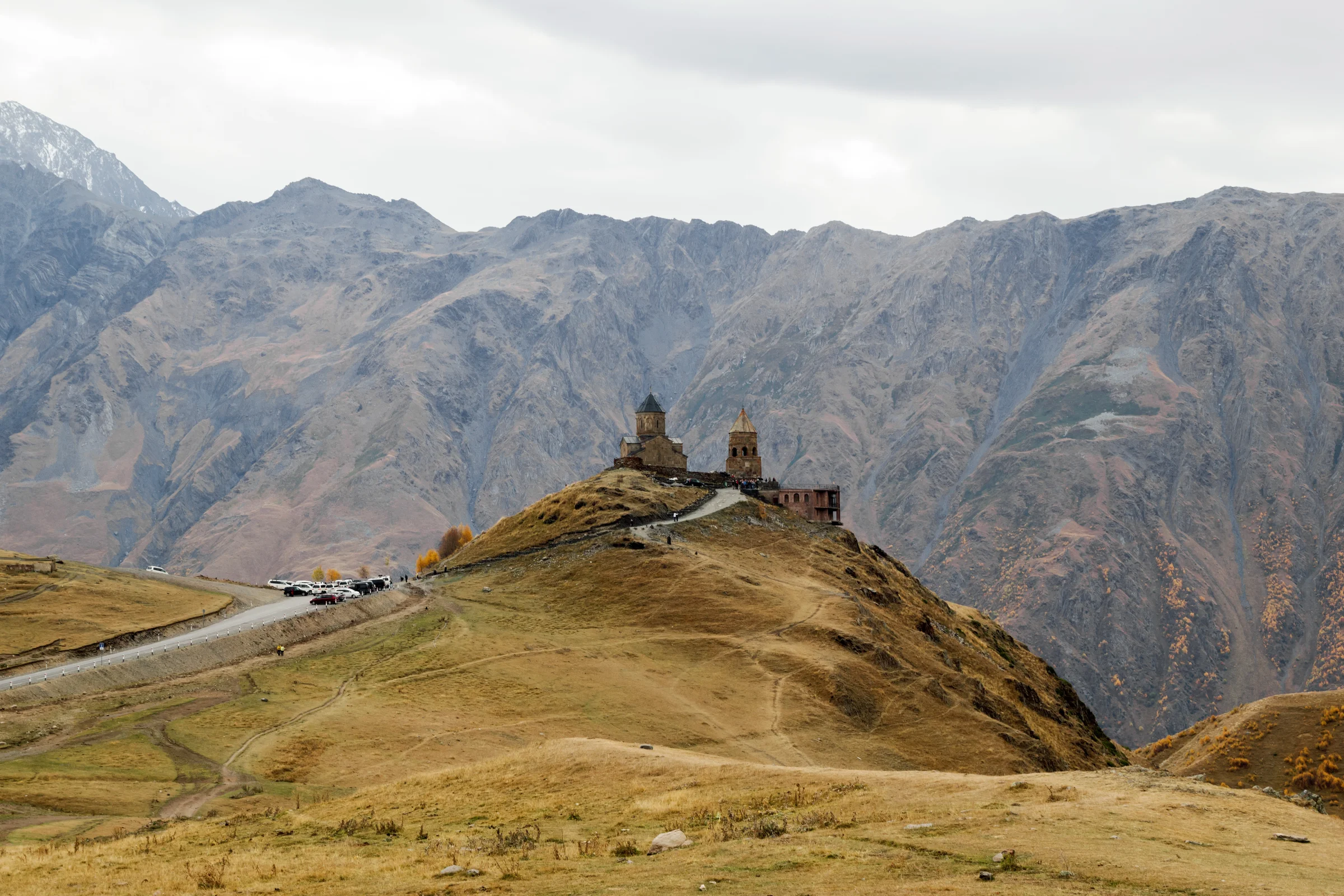
Georgia doesn't have a bad season — it has trade-offs. A scorching July in Tbilisi is simultaneously perfect hiking weather in Svaneti. A grey February in the lowlands means powder snow in Gudauri. The trick isn't finding the "best" month. It's matching the season to what you want to do.
I've lived in Tbilisi through every season. Here's what each one actually feels like — not the sanitized version from a tourism board, but the real deal.
The Quick Answer
TL;DR — Best Months to Visit Georgia
- Overall best: May, June, September, October — pleasant weather everywhere, manageable crowds
- Hiking: July & August — mountain passes open, long days, wildflowers
- Wine harvest: September & October — Rtveli (grape harvest), Kakheti at its finest
- Skiing: January & February — best snow at Gudauri and Bakuriani
- Budget travel: November, March, April — shoulder season, lowest prices
- Avoid: Late July–mid August in Tbilisi — brutal heat (38–42°C)
Understanding Georgia's Climate
Georgia is small — roughly the size of Ireland — but its climate is remarkably diverse. The Greater Caucasus mountains run along the northern border, blocking cold air from Russia and creating dramatically different conditions on either side of the country.
🌡️ Eastern Georgia (Tbilisi, Kakheti)
Continental climate. Hot, dry summers (up to 42°C). Cold winters with occasional snow. Tbilisi in January averages 2°C; in July, 31°C.
🌧️ Western Georgia (Batumi, Kutaisi)
Subtropical. Warm and humid year-round. Batumi gets 2,500mm of rain annually (vs. Tbilisi's 500mm). Winters are mild (8–12°C) but soggy.
⛰️ Mountains (Kazbegi, Svaneti, Tusheti)
Alpine. Heavy snowfall November–April. Passes close. Summer is short but stunning — wildflowers, 20–25°C days, afternoon thunderstorms.
🏖️ Black Sea Coast
Warm water June–September (22–27°C). Beach season peaks July–August. Autumn storms from October. Winters are the mildest in Georgia but grey and rainy.
Fair Warning
Georgian weather is famously unpredictable. I've seen 25°C in February and snow in April. The Caucasus creates its own microweather. Always pack layers, regardless of when you visit. The forecast app yr.no is the most reliable for Georgia.
Spring (March–May)
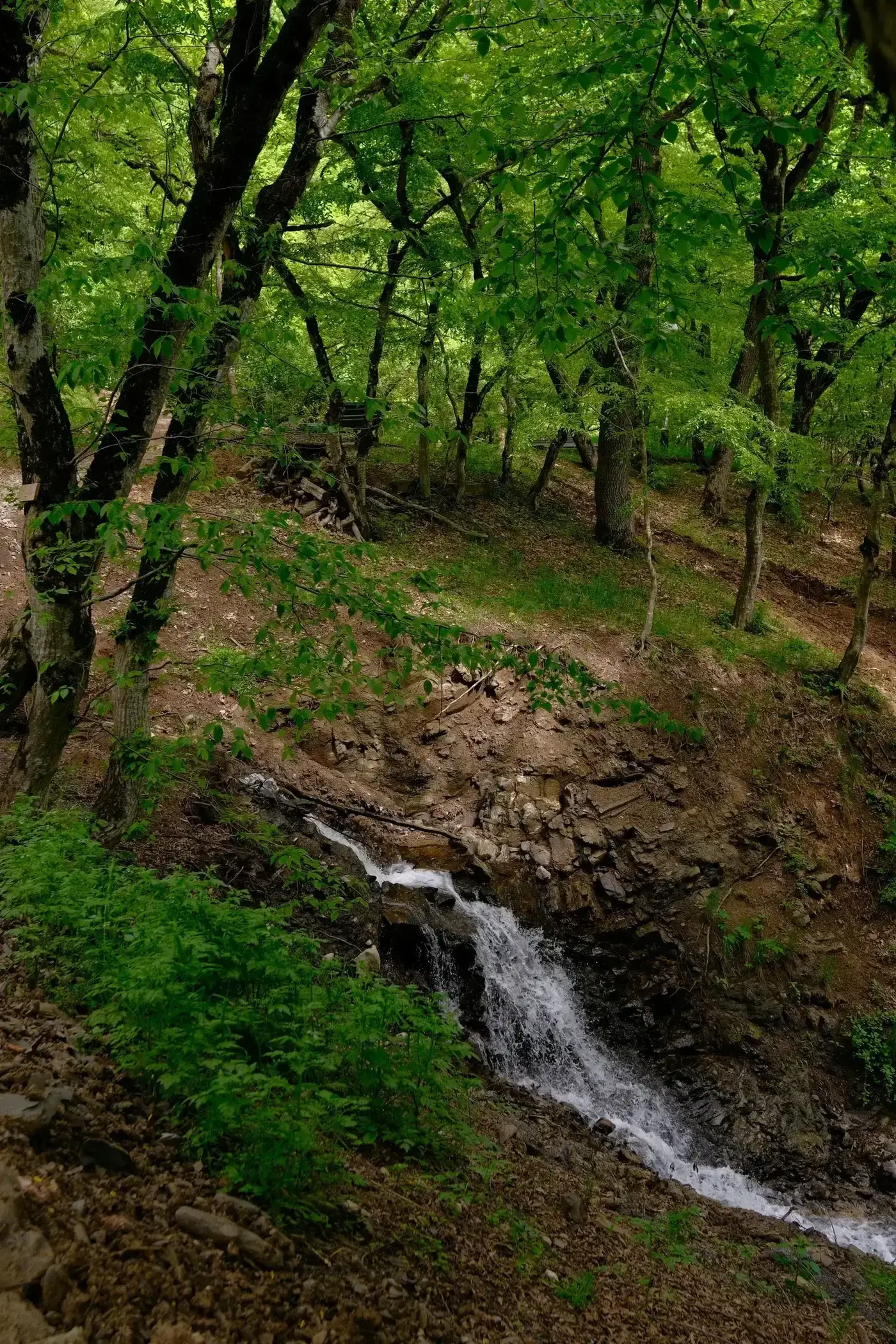
Spring is when Georgia wakes up. The valleys turn electric green almost overnight, wildflowers explode across the hillsides, and Tbilisi has this perfect energy — warm enough for outdoor dining, cool enough to actually walk around the city all day.
March
Still feels like winter for the first half. Tbilisi hovers around 8–12°C. Rain is common, and the mountains are still firmly locked in snow. But by late March, things shift fast. Trees start budding, cafés put their tables outside tentatively, and there's a buzz in the air. Best for: Tbilisi city exploration (fewer tourists than any other time), cheap accommodations, cozy wine bars.April
The sweet spot starts here. Tbilisi averages 15–18°C with a mix of sun and showers. The countryside is stunning — rolling green hills, blossoming fruit trees, snow-capped mountains as a backdrop. Orthodox Easter (date varies) brings beautiful processions and massive feasts. Best for: Tbilisi, Kakheti wine country (before summer heat), Mtskheta, Sighnaghi.May
Arguably the single best month to visit Georgia. Warm (20–25°C in Tbilisi), long days, everything is green and blooming. Lower mountain trails start opening. Crowds are building but nowhere near summer levels. Best for: Everything except high-altitude hiking and beach. Tbilisi, wine country, road trips, Kutaisi, lower Svaneti.Spring Highlight
The whole country comes alive for Orthodox Easter. Join a supra (feast) if you possibly can — it's the most Georgian experience you'll have.
Summer (June–August)
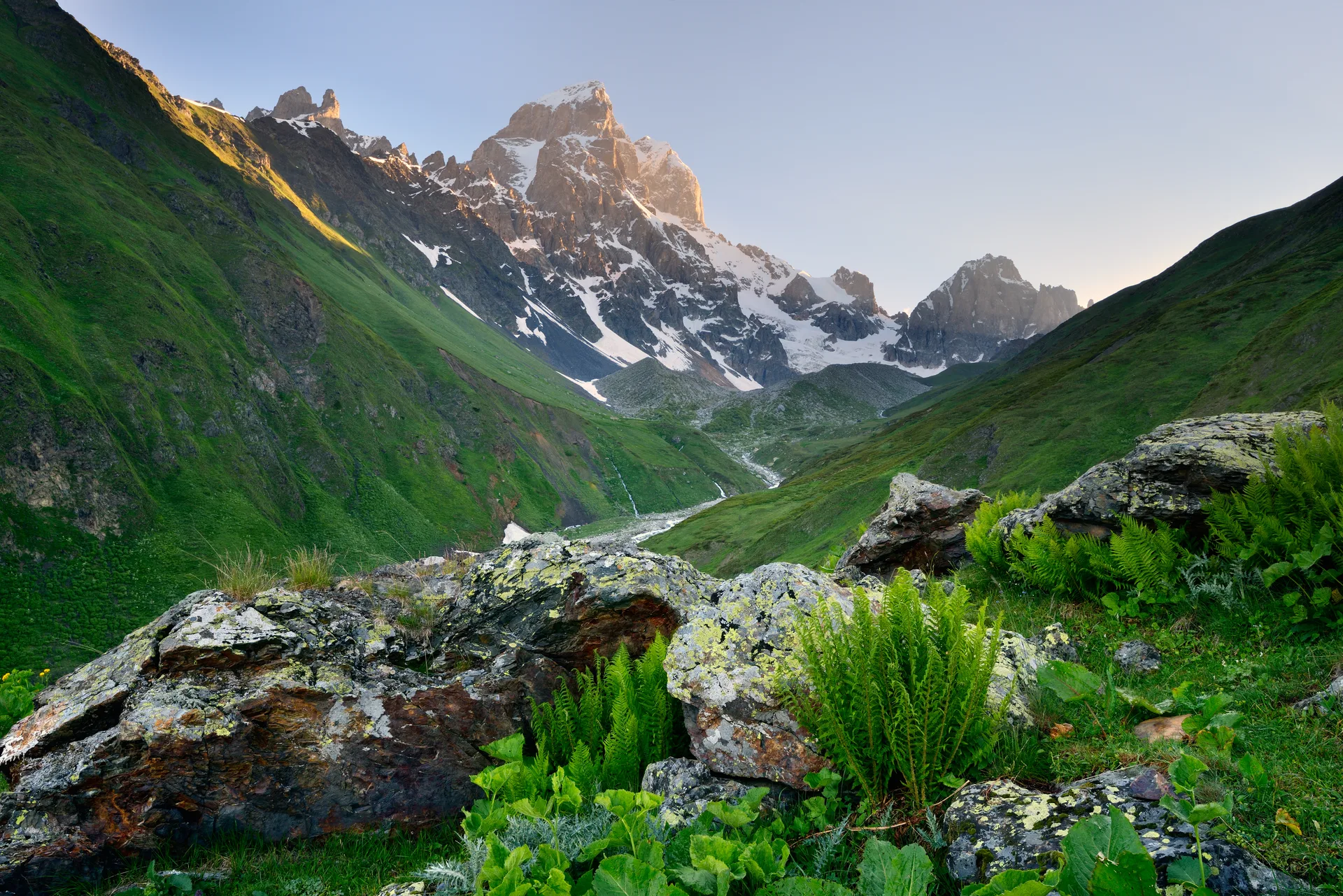
Summer in Georgia is a tale of two experiences. In the lowlands and cities, it's an endurance test — Tbilisi regularly hits 38–42°C in July and August. But in the mountains, it's paradise. Svaneti, Kazbegi, Tusheti — these places are at their absolute best in summer.
June
Early June is magnificent. Tbilisi is warm but bearable (28–32°C), mountain trails are opening, and the Black Sea coast is heating up without being overcrowded. By late June, the real heat starts in the lowlands, and everyone with sense heads for the mountains. Best for: Mountains (Svaneti treks, Kazbegi), beach season starting, Batumi.July
Peak season. Tbilisi is brutally hot — locals flee to the coast or mountains. This is prime time for multi-day mountain treks. Tusheti's famous road opens (weather permitting). Beaches are packed. Accommodation prices hit their maximum. Best for: Mountain trekking (Mestia to Ushguli, Kazbegi), Tusheti, Black Sea beaches.August
The hottest month. Tbilisi is genuinely unpleasant — you'll spend your time jumping between air-conditioned spaces. Mountain weather is excellent but afternoon thunderstorms are common at altitude. Batumi is at its busiest and most expensive. Best for: Same as July. Stay out of the lowlands if you can.Heat Warning
Tbilisi in late July/August is no joke. 40°C+ days happen regularly. If your trip falls here, book accommodation with air conditioning (not all old-town guesthouses have it) and plan sightseeing for early morning or after 6pm.
Autumn (September–November)
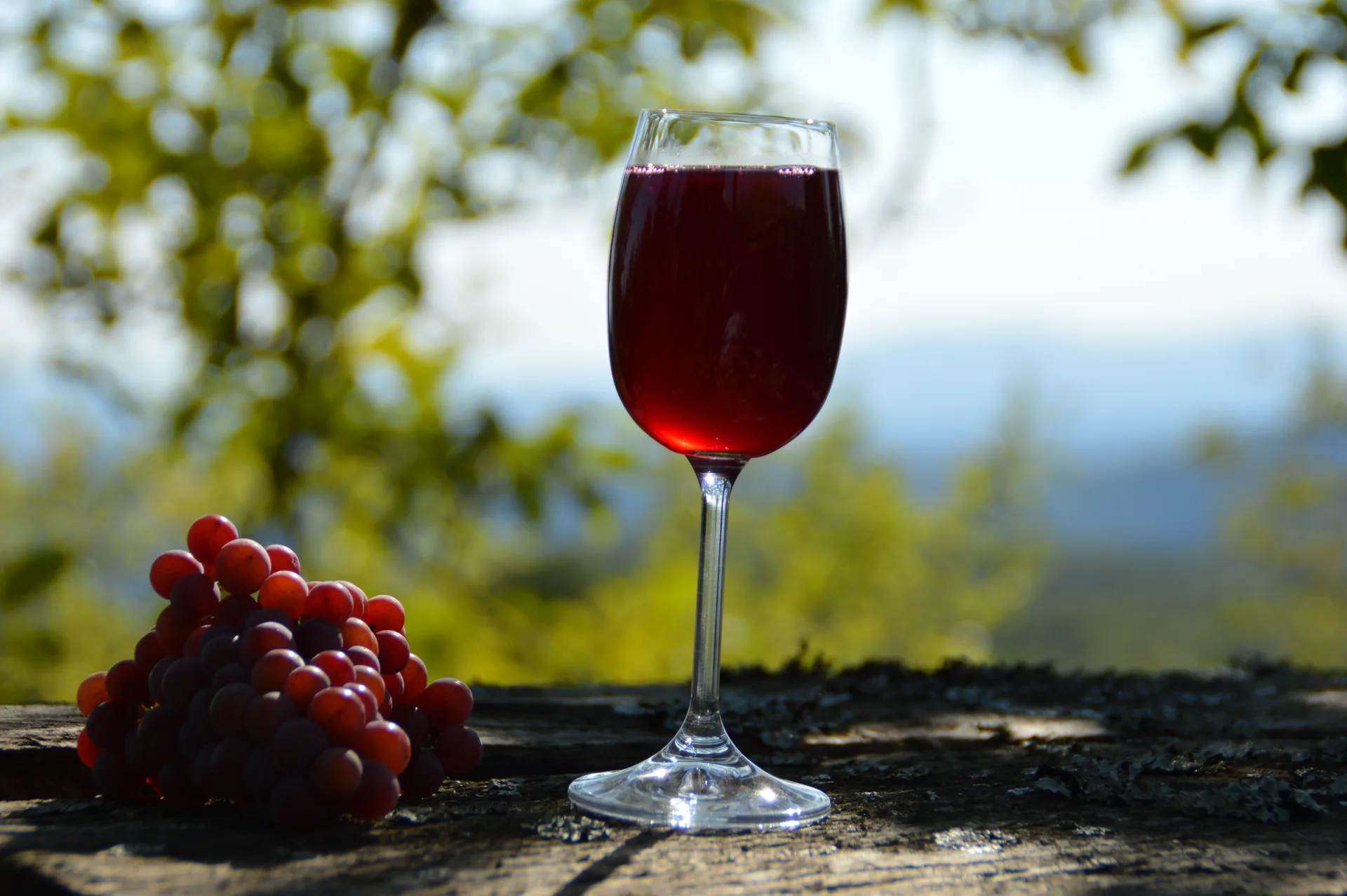
Autumn might be the most underrated season in Georgia. The crushing summer heat breaks, the vineyards of Kakheti turn gold and crimson, and the whole country enters Rtveli — grape harvest season. If you care about wine (and you should, this is Georgia), September and October are the months.
September
The heat retreats gracefully. Tbilisi drops to 25–30°C, which feels glorious after August. The light turns golden, the pace slows down, and Kakheti enters harvest mode. Families across the country pick grapes, press them, and start the winemaking process that's been unchanged for 8,000 years. Best for: Kakheti wine country (Rtveli harvest), Tbilisi, Sighnaghi, road trips. Mountain hiking still possible early September.October
My second favorite month after May. Temperatures are perfect (15–22°C in Tbilisi), autumn colors are spectacular, and tourist numbers drop significantly. This is when you'll find the country at its most authentic — festivals, feasts, wine cellars open for tasting. Best for: Wine harvest, autumn foliage, Tbilisi, Mtskheta, comfortable road trips.November
The shoulder season gamble. Early November can still be lovely — crisp air, dramatic skies, empty attractions. But by mid-month, things turn grey and rainy. Mountain roads start closing. Tbilisi gets a melancholy beauty — bare trees, wet cobblestones, fog rolling off the Mtkvari. Best for: Budget travel, Tbilisi without crowds, wine cellars (many still open). Avoid mountains.Rtveli (Grape Harvest)
If you visit during September–October, ask around about Rtveli. Many families welcome visitors to help pick grapes. You'll stomp them barefoot in a stone satsnakheli (press), eat an enormous feast, and drink last year's wine. It's the most intimate way to experience Georgian culture.
Winter (December–February)
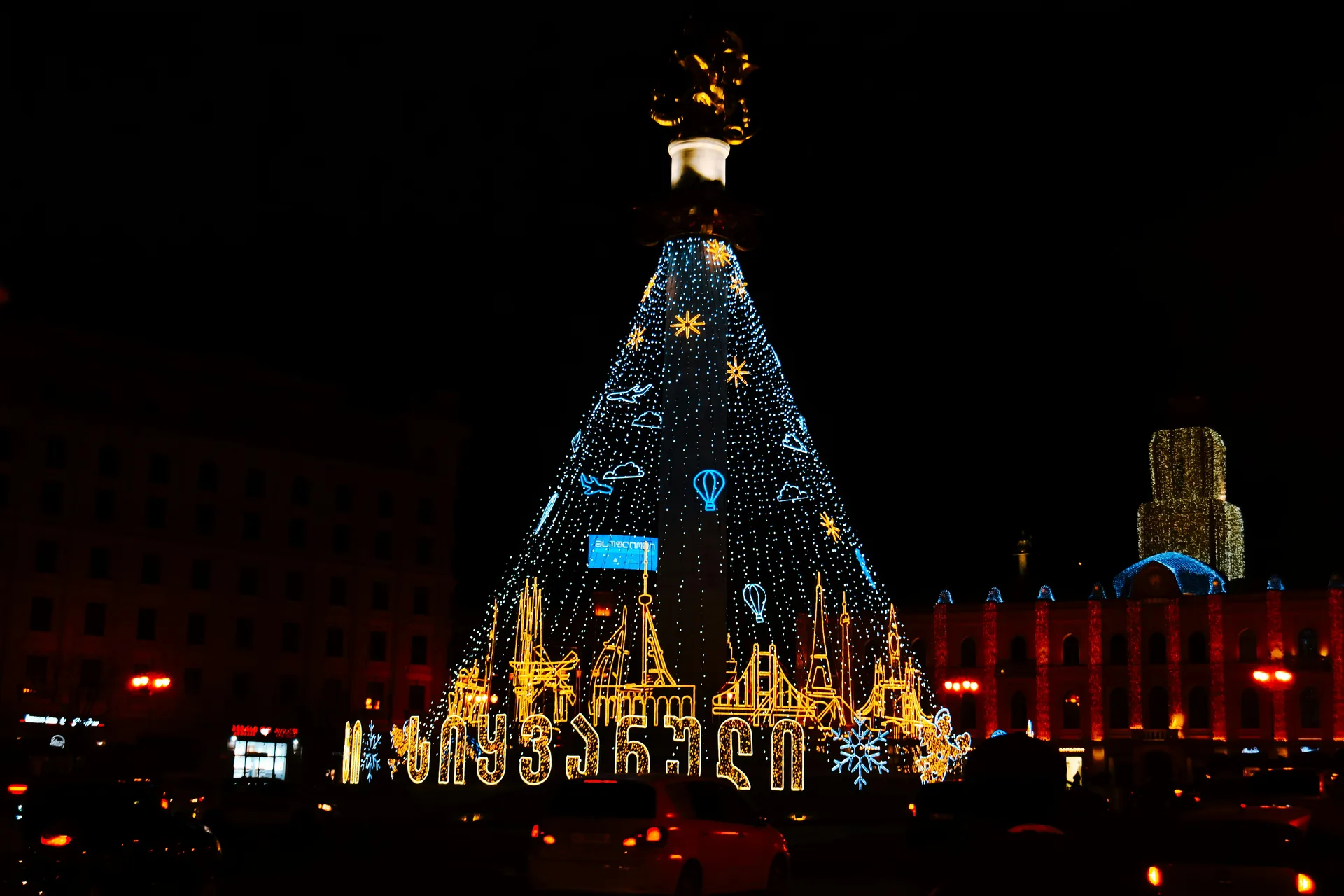
Winter in Georgia splits cleanly between the lowlands (grey, cold, a bit grim) and the mountains (spectacular skiing, serious snow). Tbilisi in winter is an acquired taste — overcast skies, temperatures around 0–5°C, occasional snow that turns to slush. But there's a coziness to it: wood-fired wine bars, steaming khinkali shops, and the city practically to yourself.
December
Tbilisi sparkles with Christmas decorations (Georgians celebrate both Western Christmas on December 25th and Orthodox Christmas on January 7th). Temperatures hover around 2–7°C. Ski season begins at Gudauri and Bakuriani. The New Year celebrations are massive — fireworks, feasts, and a level of pyrotechnics that would be illegal in most countries. Best for: Christmas/New Year atmosphere, early ski season, budget Tbilisi.January
The coldest month. Tbilisi averages 0–3°C with occasional dips below -5°C. January 7th is Orthodox Christmas — churches are packed, and the whole country feasts. Gudauri has excellent snow conditions. This is the quietest month for tourism overall. Best for: Skiing (Gudauri peak season), Orthodox Christmas experience, cheapest travel.February
Similar to January but the days start getting noticeably longer. Ski conditions remain excellent. Tbilisi can feel bleak, but the wine bars and indoor markets (Dezerter Bazaar is a winter highlight) keep things interesting. Best for: Skiing, indoor Tbilisi exploration, budget travel.Skiing in Georgia
Gudauri is the main resort — 70+ km of runs, 3,300m peak elevation, and lift passes around 50 GEL ($19) per day. That's roughly 10x cheaper than the Alps for comparable terrain. Bakuriani is smaller but closer to Tbilisi and better for beginners. Mestia (Hatsvali/Tetnuldi) is remote but uncrowded.
Month-by-Month Breakdown
| Month | Tbilisi Temp | Rain | Crowds | Rating |
|---|---|---|---|---|
| January | -2 to 6°C | Low | Very Low | ⭐⭐⭐ |
| February | -1 to 8°C | Low | Very Low | ⭐⭐⭐ |
| March | 4 to 13°C | Moderate | Low | ⭐⭐⭐ |
| April | 10 to 18°C | Moderate | Low–Med | ⭐⭐⭐⭐ |
| May ★ | 15 to 25°C | Low | Medium | ⭐⭐⭐⭐⭐ |
| June ★ | 20 to 30°C | Low | Med–High | ⭐⭐⭐⭐⭐ |
| July | 24 to 35°C | Very Low | High | ⭐⭐⭐⭐ |
| August | 24 to 37°C | Very Low | High | ⭐⭐⭐ |
| September ★ | 19 to 29°C | Low | Medium | ⭐⭐⭐⭐⭐ |
| October ★ | 12 to 22°C | Moderate | Low–Med | ⭐⭐⭐⭐⭐ |
| November | 5 to 13°C | Moderate | Very Low | ⭐⭐⭐ |
| December | 0 to 7°C | Low | Low | ⭐⭐⭐ |
★ = Best months. Temperatures are Tbilisi averages — mountain areas will be 10–15°C cooler.
Best Time by Activity
🥾 Mountain Trekking
Late June–September. Passes open, wildflowers, long days. July–August is peak but crowded in Svaneti. September offers fewer people and autumn colors.
Best: July
🍷 Wine Tasting & Harvest
Year-round for wine bars and cellars, but September–October for the grape harvest (Rtveli). Kakheti vineyards are magical in autumn light.
Best: September–October
🏖️ Beach & Black Sea
Late June–early September. Water reaches 25–27°C in August. Batumi is the main resort. For quieter beaches, try Ureki (magnetic black sand) or Gonio.
Best: July–August
⛷️ Skiing & Snowboarding
December–March at Gudauri (best: Jan–Feb). Bakuriani is family-friendly. Hatsvali and Tetnuldi in Svaneti are uncrowded gems.
Best: January–February
🏛️ City & Culture
Tbilisi is great year-round, but April–June and September–October are ideal for walking. Museums, churches, sulfur baths, and old town are best without extreme heat or cold.
Best: May & October
🚗 Road Trips
May–October for maximum access. Mountain passes (Abastumani, Tusheti) open June–September only. The Georgian Military Highway is stunning year-round.
Best: June & September
📸 Photography
October wins for golden light, autumn foliage, and misty mountain mornings. May for spring blossoms. Winter for dramatic snow-covered landscapes.
Best: October
🍽️ Food & Gastronomy
Georgian food is fantastic year-round. Spring: herbs and fresh cheeses. Summer: fruits. Autumn: harvest feasts. Winter: hearty stews and mtsvadi (BBQ).
Best: Year-round
Best Time by Destination
| Destination | Best Months | Avoid | Notes |
|---|---|---|---|
| Tbilisi | Apr–Jun, Sep–Oct | Late Jul–Aug | Great year-round for food & nightlife |
| Kakheti | Sep–Oct | Jul–Aug | Rtveli harvest in September |
| Kazbegi | Jun–Sep | Nov–Mar | Military Highway open year-round (usually) |
| Svaneti | Jul–Sep | Nov–May | Mestia accessible year-round by plane |
| Tusheti | Jul–Sep | Oct–Jun | Georgia's most remote region |
| Batumi | Jun–Sep | Nov–Mar | Beach season; nightlife year-round |
| Gudauri | Dec–Mar | Apr–Nov | Some summer paragliding |
| Kutaisi | Apr–Jun, Sep–Oct | Dec–Feb | Gateway to canyons, caves, Imereti |
| Sighnaghi | May, Sep–Oct | Jul–Aug | Stunning Alazani Valley views |
Crowds & Prices: When Georgia Is Cheapest
Georgia is affordable year-round compared to Western Europe, but there are still significant seasonal swings.
Hotels 30–50% cheaper. Flights at their lowest. Restaurants empty. Some mountain guesthouses closed.
Best weather + moderate prices. Book popular spots 2–3 weeks ahead. Flights still reasonable.
Batumi and mountain resorts spike 2–3x. Tbilisi stays affordable. Book flights and accommodation early.
Budget Hack
Even in peak season, Georgia is remarkably cheap. A solid guesthouse in Svaneti runs $25–40/night with meals included. A restaurant dinner in Tbilisi with wine: $15–25 per person. A marshrutka (minibus) across the country: $5–15. You'd have to actively try to spend more than $100/day unless you're staying in luxury hotels.
What to Pack (Season by Season)
🌸 Spring (Mar–May)
- • Layers — mornings are cool, afternoons warm
- • Light rain jacket (April showers are real)
- • Comfortable walking shoes
- • Sunglasses + sunscreen from April
☀️ Summer (Jun–Aug)
- • Light, breathable clothing (cotton/linen)
- • Strong sunscreen (UV is intense)
- • Hat — essential for Tbilisi sightseeing
- • Warm layer if visiting mountains
- • Swimwear (Black Sea, sulfur baths)
🍂 Autumn (Sep–Nov)
- • Medium-weight jacket
- • Umbrella (especially October–November)
- • Layers for temperature swings
- • Good shoes for cobblestones (wet = slippery)
❄️ Winter (Dec–Feb)
- • Proper winter coat (not just a fleece)
- • Warm boots with grip
- • Scarf, gloves, hat
- • Ski gear if heading to Gudauri (rentals available)
- • Thermal base layers for mountain areas
Dress Code Note
Georgia is relatively conservative outside Tbilisi. Women should bring a scarf or shawl for visiting churches (covered shoulders and head required). In Tbilisi itself, anything goes — it's a cosmopolitan city with a thriving club scene.
Final Verdict
Georgia doesn't have a truly bad time to visit — just different ones. The question isn't "when should I go?" but "what do I want to do?" Match your interests to the season, pack for unpredictable weather, and you'll have an incredible trip regardless.
The Perfect Georgia Trip — Our Picks
- First-time visitor: Come in May. Perfect weather, everything open, manageable crowds.
- Wine & culture lover: Come in late September. Harvest season, golden light, feasts.
- Trekker/adventurer: Come in July. All mountain passes open, wildflowers, long days.
- Budget backpacker: Come in November or March. Cheapest everything, few tourists, real Georgia.
- Skier: Come in January–February. World-class skiing at developing-world prices.
Written by The Georgian Guide Team
We've lived in Georgia through every season — the 42°C Tbilisi summers, the powder days at Gudauri, the golden October vineyards. This guide reflects years of firsthand experience, not a weekend trip.
Last updated: February 2026.
Frequently Asked Questions
What is the best month to visit Georgia?
September and October are the sweet spot — warm weather, harvest season, wine festivals, and fewer tourists than summer. May and June are excellent alternatives with green landscapes and wildflowers.
Is Georgia worth visiting in winter?
Yes, if you're into skiing (Gudauri, Bakuriani), atmospheric cities (Tbilisi is beautiful in snow), or avoiding crowds. Mountain roads to Svaneti and Tusheti close, but Tbilisi, Kakheti, and Kutaisi are accessible year-round.
Does it snow in Tbilisi?
Occasionally, usually a few times between December and February. Snow rarely sticks for more than a day or two in the city. Temperatures hover around 0-5°C in winter.
When is the rainy season in Georgia?
Spring (April-May) sees the most rain in Tbilisi and eastern Georgia. The Black Sea coast (Batumi) is wet year-round, with autumn being the rainiest. Summer in Tbilisi is generally dry and hot.
Is July too hot to visit Georgia?
Tbilisi in July-August hits 35-40°C regularly, which makes city sightseeing uncomfortable. But the mountains are perfect — Kazbegi, Svaneti, and Tusheti are 15-25°C. Plan mountain time for summer and city time for spring or fall.