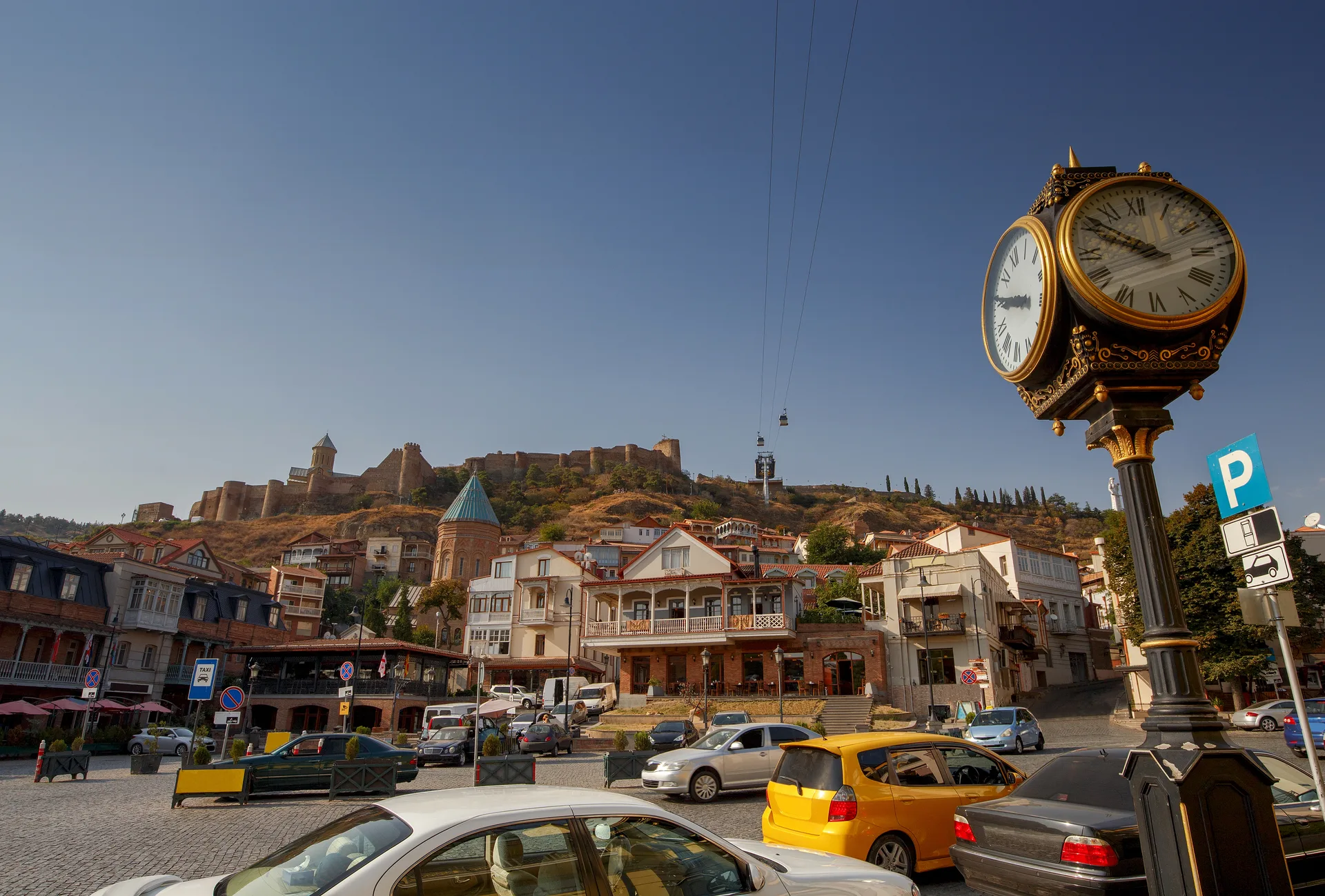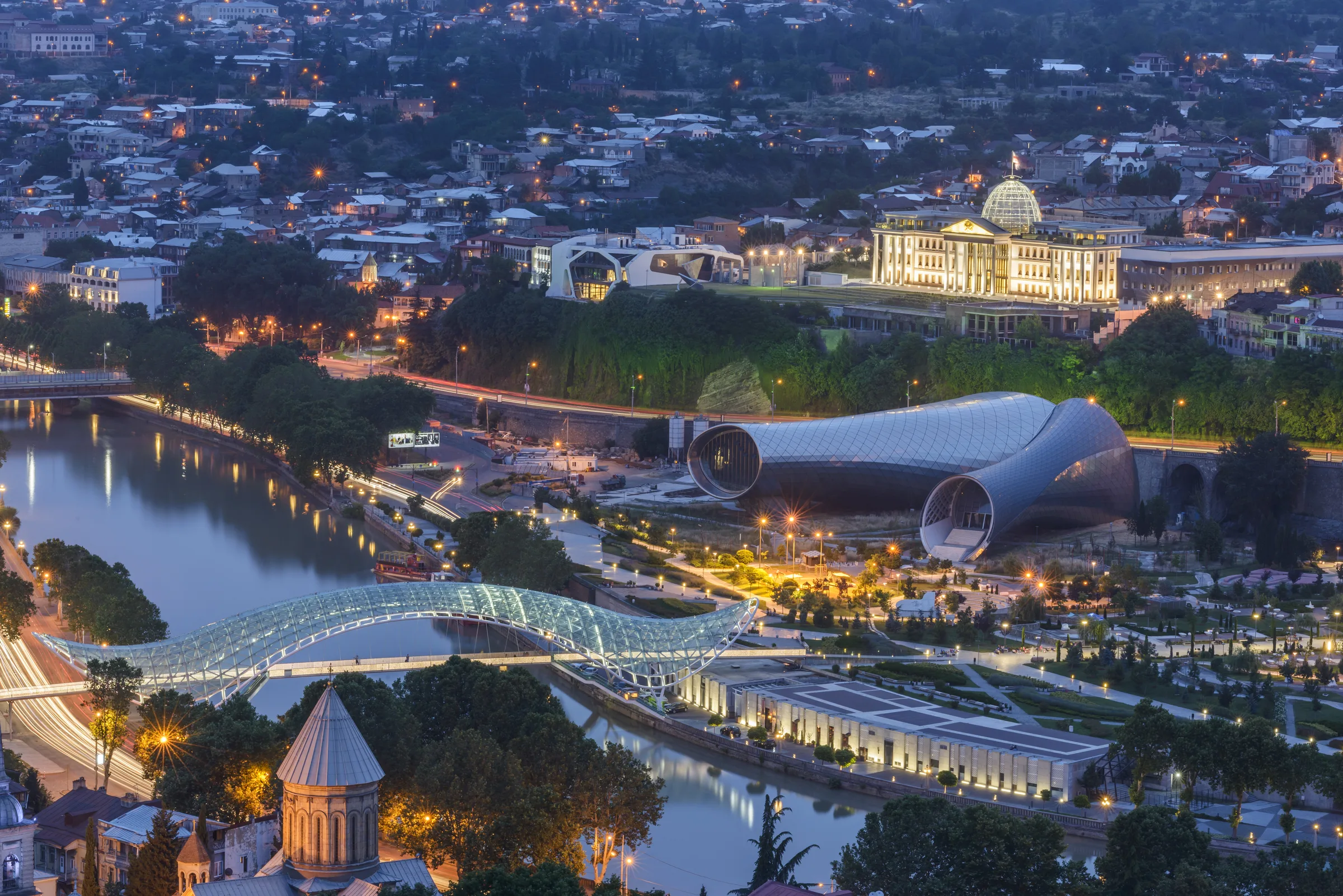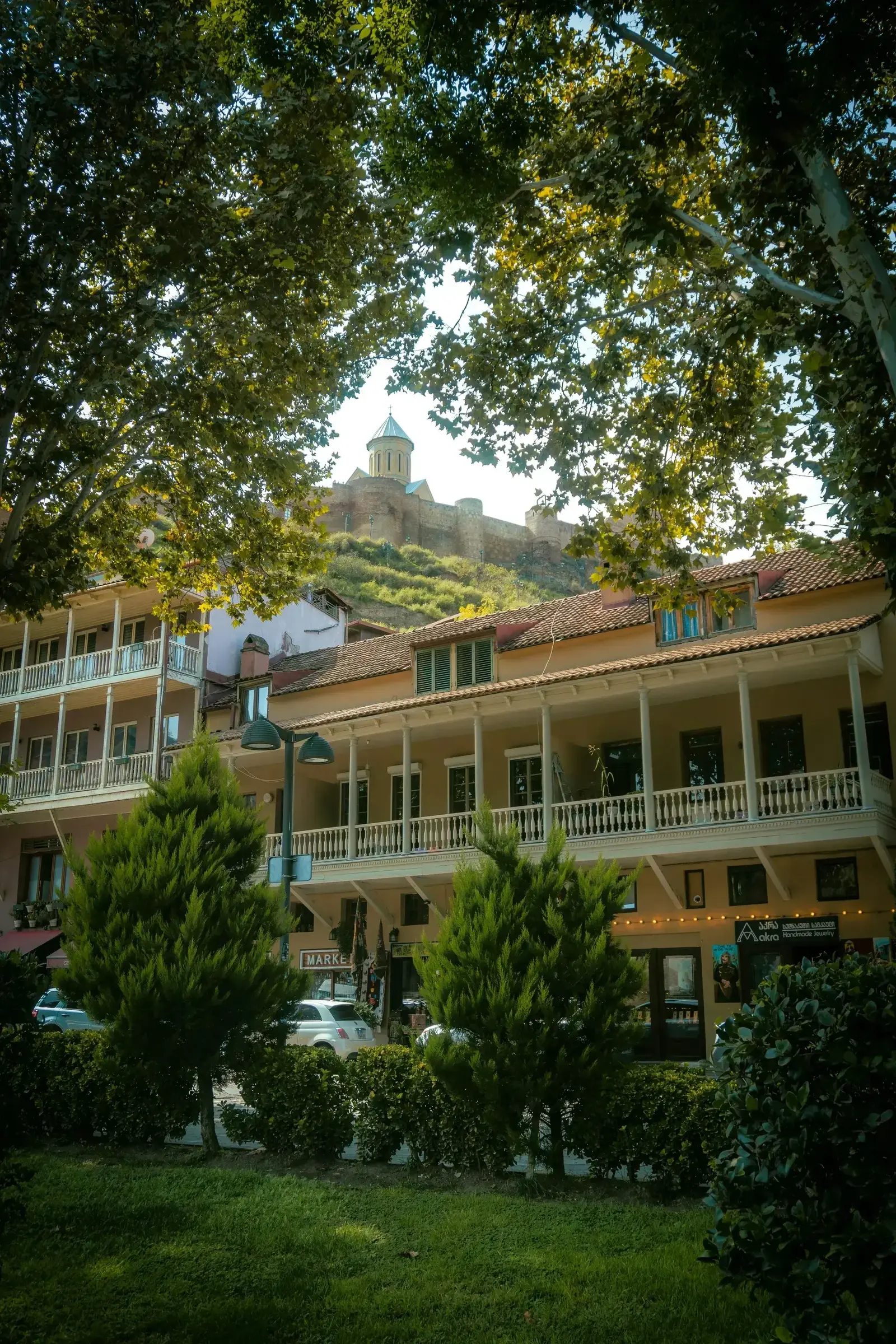
Short answer: yes, Georgia is very safe for tourists. Longer answer: it's one of the safest countries you'll visit — but it has quirks that catch newcomers off guard. Stray dogs, chaotic drivers, and political protests aren't dangerous if you know what to expect. This guide covers everything honestly, including the stuff travel blogs usually skip.
The Quick Verdict
Georgia sits at the crossroads of Europe and Asia, which sounds exotic — and exotic sometimes gets misread as dangerous. Add in a former Soviet past, an ongoing territorial dispute with Russia, and most Westerners not being able to point to it on a map, and you've got a recipe for unfounded anxiety.
The reality? Tbilisi is safer than Paris, Rome, Barcelona, and most American cities by virtually every metric. Petty crime exists but is far lower than in Western Europe. Violent crime against foreigners is almost unheard of. And Georgians are famously, almost aggressively hospitable to guests.
Crime & Theft: What's the Real Risk?
Let's be specific. "Is it safe?" is vague. Here's a breakdown by crime type, based on actual data and lived experience:
| Crime Type | Risk Level | Notes |
|---|---|---|
| Pickpocketing | Low | Exists in crowded markets and metro, but far less than European tourist cities |
| Mugging | Very low | Almost unheard of in tourist areas. Dark alleys late at night — use common sense |
| Scams | Low–Moderate | Mostly taxi overcharging and restaurant bill inflation. See scams section |
| Violent crime | Very low | Georgia's homicide rate is lower than most EU countries |
| Sexual harassment | Low | Occasional catcalling, but physical harassment is rare. More common outside Tbilisi |
| Terrorism | Negligible | No significant terrorist incidents in recent history |
The most common "crime" tourists experience in Georgia is a taxi driver charging double. That's annoying, not dangerous. Actual theft or violent crime targeting tourists is genuinely rare — rare enough that when it does happen, it makes local news.
Pro tip
Georgian police have a strong reputation. The force was completely rebuilt after the Rose Revolution in 2003, eliminating the corruption that plagued the Soviet era. Police are generally helpful and trustworthy — don't hesitate to approach them.
Scams to Watch For
Georgia isn't a "scammy" country compared to Southeast Asia or parts of South America. But a few things trip up newcomers:
🚕 Taxi Overcharging
The #1 tourist complaint. Always use Bolt or Maxim apps — never hail street taxis. Airport taxis are the worst offenders. A ride from the airport to the center should be 15–25 GEL via app, not the 50–80 GEL street drivers quote.
🍽️ Restaurant Bill Padding
Some tourist-heavy restaurants add items you didn't order or charge inflated prices. Check the menu prices, count your dishes, and review the bill before paying. Rare but it happens on Shardeni Street.
💱 Money Exchange
Exchange offices in tourist areas sometimes have misleading rates displayed. The rate on the board might not include their commission. Ask "is this the final rate?" before handing over cash. Or just use ATMs.
🏠 Rental Scams
If renting long-term, some landlords demand large deposits and find reasons not to return them. Use reputable platforms (Airbnb, booking.com) for short stays. For long-term, get a written contract in Georgian and English.
That's basically the full list. Compared to popular tourist destinations, Georgia has remarkably few scams. Most transactions are honest, and Georgians generally find it embarrassing when tourists are mistreated — hospitality is a core cultural value.
Driving & Roads: The Actual Danger
Here's where honesty matters. If there's one genuine safety risk in Georgia, it's on the roads. (See our full getting around Georgia guide for transport options.) Georgian driving culture is... creative. Red lights are suggestions, lane markings are decorative, and overtaking on blind mountain curves happens daily.
| Road Safety Factor | Reality |
|---|---|
| Tbilisi traffic | Aggressive but manageable. Pedestrians don't have right-of-way in practice. Cross carefully. |
| Mountain roads | Often narrow, poorly maintained, and driven fast. The Georgian Military Highway is paved; many others aren't. |
| Drunk driving | Still a problem despite stricter enforcement. More common in rural areas and at night. |
| Seatbelts | Legally required. Many locals skip them. Always buckle up — enforcement is increasing. |
| Rental cars | Available and affordable. Get full insurance. Drive defensively. Watch for livestock on rural roads. |
The honest truth
Road traffic accidents are the leading cause of tourist injuries in Georgia — not crime. If you're renting a car, drive as if everyone else is unpredictable (because they are). On mountain roads, let faster drivers pass and take it slow.
Political Situation & Protests
Georgia has been in international headlines since late 2024 due to political protests. If you've seen the news and wondered whether it's still okay to visit — it is.
Protests in Tbilisi are concentrated along Rustaveli Avenue near Parliament, primarily in the evenings. They've been largely peaceful since the first few days. The rest of Tbilisi and the country operates completely normally — restaurants open, tours running, attractions accessible.
What to expect
Evening gatherings near Parliament. Occasional daytime marches. Sometimes loud, sometimes creative (Georgians know how to protest with style). Businesses operate normally.
What to do
Avoid Rustaveli Avenue near Parliament after dark if you want to steer clear. Don't photograph protesters' faces without permission. Tourism is actively welcomed — Georgians want visitors.
Most government travel advisories remain at their lowest risk level for Georgia. The protests are a domestic political matter that doesn't target or involve tourists. Life outside central Tbilisi is completely unaffected.
Solo Female Travel
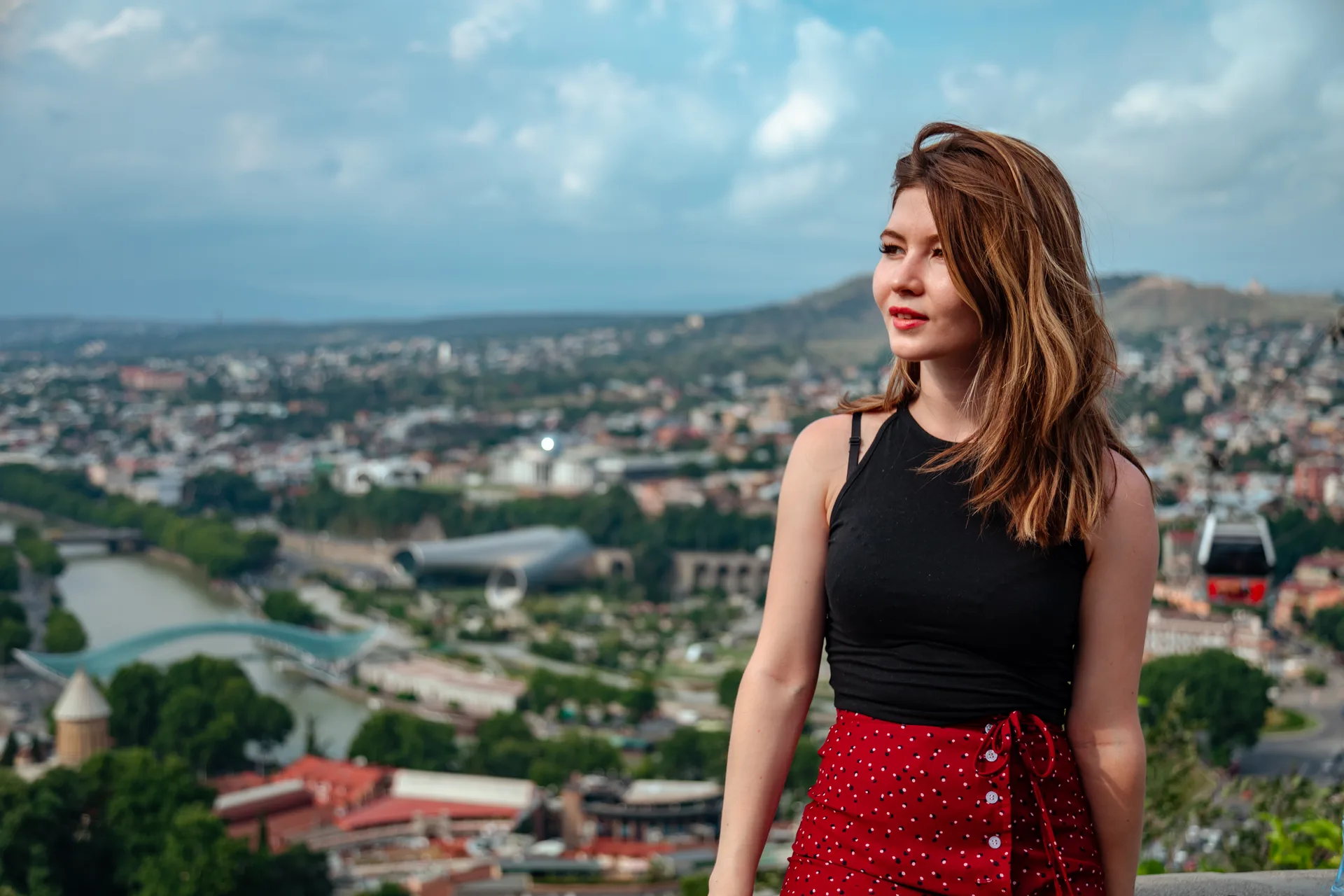
Georgia is generally safe for solo female travelers. Tbilisi in particular is comfortable to walk around at any hour. Most women who've traveled here report feeling safer than in Western European capitals.
That said, Georgia is still a traditional society in many ways, especially outside Tbilisi. Some things to know:
| Situation | What to Expect |
|---|---|
| Walking alone at night (Tbilisi) | Generally safe in central areas. Use normal precautions in dark, empty streets. |
| Catcalling | Occasional, more common outside Tbilisi. Usually verbal and non-threatening. Ignoring works. |
| Rural areas | More conservative. Modest clothing is appreciated at churches and villages. People are friendly but curious. |
| Georgian hospitality | Men may be forward with invitations (coffee, dinner). Usually genuine friendliness. Trust your instincts. |
| Transport | Ride-hailing apps (Bolt, Maxim) are safe and trackable. Marshrutkas are fine during the day. |
Female traveler tip
If someone invites you to their home for a meal, it's almost certainly genuine Georgian hospitality (refusal can actually offend). But use your judgment, tell someone where you're going, and trust your gut. Most of these encounters become the best stories of your trip.
Stray Dogs
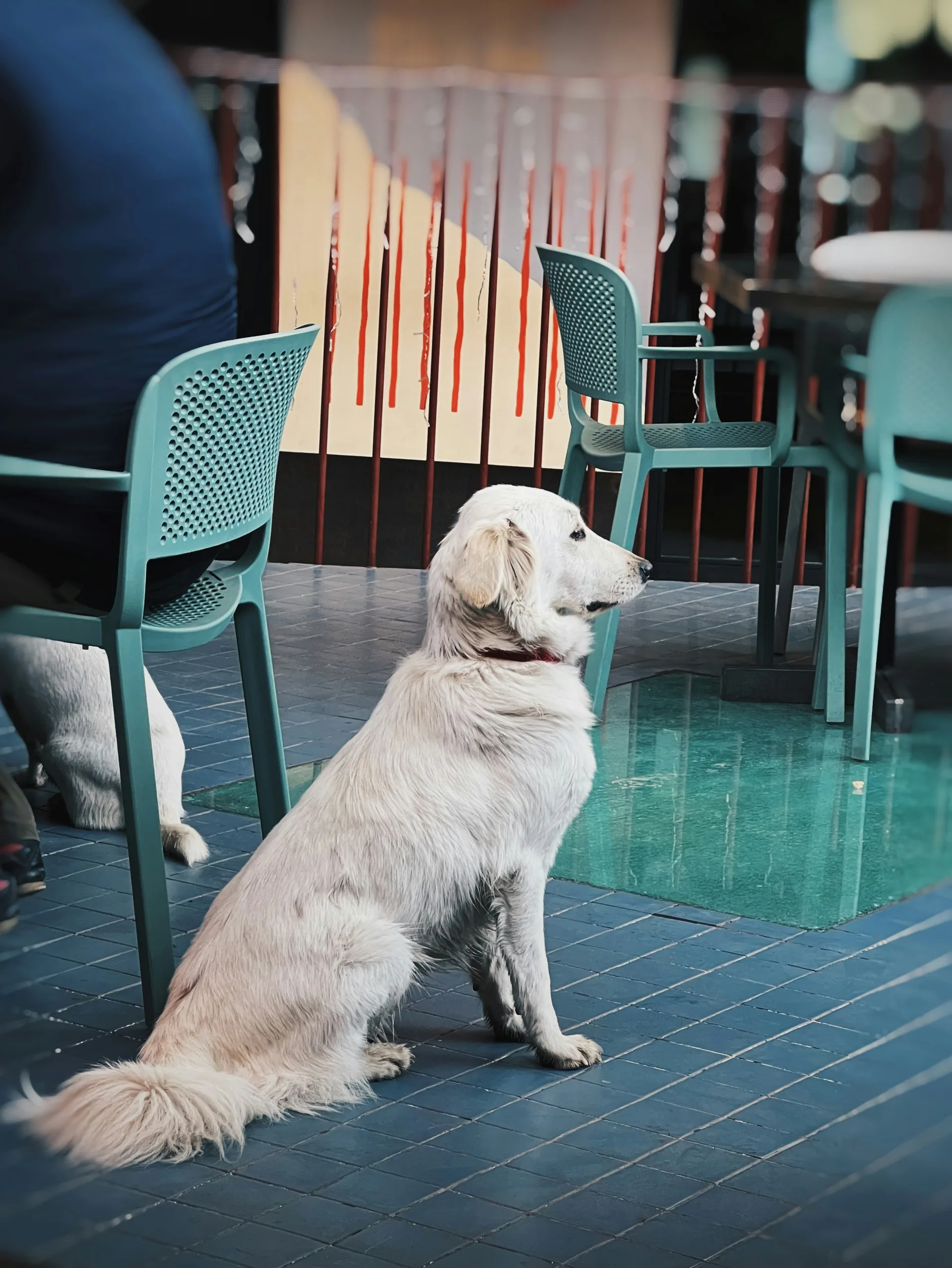
Georgia has a large stray dog population, and this is one of the first things visitors notice. They're everywhere — sleeping on sidewalks, following hikers on mountain trails, hanging out at restaurant patios.
The good news: most are vaccinated and ear-tagged (the government runs catch-neuter-vaccinate-release programs). They're generally docile and well-fed by locals and restaurants. Many are essentially community dogs that belong to the neighborhood.
The less good news: dogs can be territorial, especially in packs and especially in rural areas or on hiking trails. Barking at night is common. And while rare, bites do happen.
✅ Do
Walk calmly past dogs, don't make sudden moves, don't stare directly at them, carry a stick on hikes (you won't need to use it — having it is enough), check ear tags (tagged = vaccinated).
❌ Don't
Don't run past dogs (triggers chase instinct), don't approach mothers with puppies, don't try to pet sleeping dogs suddenly, don't feed them unless you want a permanent follower.
If you get bitten
Go to a hospital immediately for rabies post-exposure prophylaxis (PEP). It's available in Tbilisi hospitals and is the standard protocol. Don't wait. Georgia has a low but non-zero rabies risk. Consider getting a pre-travel rabies vaccine if you're planning rural hikes.
Natural Hazards
| Hazard | Risk | When/Where |
|---|---|---|
| Earthquakes | Moderate | Georgia sits on an active seismic zone. Small tremors are common; major quakes are rare but possible. |
| Flooding | Seasonal | Spring and early summer in mountain areas. Tbilisi experienced deadly floods in 2015. Rivers can rise fast. |
| Landslides | Moderate | Mountain roads in spring. The Svaneti and Tusheti roads close seasonally for this reason. |
| Extreme cold | Winter only | Mountain passes can drop to -20°C. Check road conditions before driving in winter. |
| Heat | Summer | Tbilisi hits 38-40°C in July-August. Stay hydrated. Air conditioning isn't universal. |
Occupied Territories: South Ossetia & Abkhazia
Georgia has two Russian-occupied territories: South Ossetia and Abkhazia. These are the only areas where safety is a genuine concern — and the advice is simple: don't go.
Entering either region from the Russian side is illegal under Georgian law (you'll get a fine or ban on re-entry). The Georgian side has checkpoints and the de facto borders are tense. Neither region has reliable consular access if something goes wrong.
This doesn't affect regular tourism at all. These territories are well away from standard tourist routes, and there's no risk of accidentally wandering into them. The conflict is frozen, not active — it doesn't spill into the rest of Georgia.
For context
South Ossetia and Abkhazia have been de facto Russian-controlled since the 2008 war. Georgia considers them occupied territory. Russia considers them independent states. The "borders" are administrative boundary lines (ABLs) patrolled by Russian forces. None of this affects travel in the 80%+ of Georgia that tourists actually visit.
LGBTQ+ Safety
This needs honest treatment. Georgia is a socially conservative, Orthodox Christian country. Same-sex relationships are legal, but public attitudes are often unwelcoming. Tbilisi has a small but active LGBTQ+ scene (mostly underground), and younger Georgians in the capital are increasingly progressive.
However, public displays of affection between same-sex couples can attract negative attention, especially outside Tbilisi. Pride events have faced violent counter-protests in past years. In 2021, far-right groups attacked journalists and LGBTQ+ activists during Tbilisi Pride.
Practical advice for LGBTQ+ travelers: you're unlikely to face issues as a tourist if you're not overtly public with affection. Tbilisi is more tolerant than rural areas. Many hotels and guesthouses are welcoming regardless of orientation. But it's fair to say this isn't Amsterdam — be aware of the cultural context.
Health & Medical Care
🏥 Hospitals
Tbilisi has several modern private hospitals (Evex, MediClub, National Center) with English-speaking doctors. Quality is good. Costs are low by Western standards. Rural healthcare is basic.
💊 Pharmacies
Pharmacies (აფთიაქი) are everywhere. Many medications available without prescription. Staff sometimes speak English. GPC and PSP are the largest chains.
🦷 Dental Care
Dental tourism is growing. Quality is excellent at private clinics in Tbilisi, at a fraction of Western prices. Some travelers combine trips with dental work.
📋 Insurance
As of January 2026, travel insurance is mandatory for all visitors. You may be asked for proof on arrival. Get a policy that covers medical evacuation — mountain rescue can be expensive.
Food & Water Safety
Georgian food is one of the main reasons people visit — and it's generally very safe. Restaurants are clean, ingredients are fresh, and food poisoning is rare. A few things to note:
| Topic | Verdict |
|---|---|
| Tap water (Tbilisi) | Safe to drink. Comes from mountain sources and is generally high quality. Some visitors prefer bottled out of habit. |
| Tap water (rural) | Quality varies. In mountain villages, spring water is often excellent. In lowland rural areas, stick to bottled. |
| Street food | Safe. Shotis puri (bread) from street bakeries is fresh and delicious. Kubdari vendors at markets are fine. |
| Restaurants | Clean. Georgian cuisine relies on fresh ingredients. The main risk is eating too much, not food poisoning. |
| Wine | Homemade wine is everywhere. Quality ranges wildly. It's part of the culture — enjoy it, but pace yourself. |
Practical Safety Tips
📱 Use ride-hailing apps
Bolt and Maxim work everywhere. Tracked rides, fixed prices, no haggling. This alone eliminates 90% of tourist complaints.
📋 Get travel insurance
Mandatory since 2026. Make sure it covers mountain rescue and medical evacuation if you're hiking in remote areas.
🔒 Secure your valuables
Use hotel safes for passports. Keep copies of documents on your phone. Pickpocketing is rare but exists on busy metro trains.
🚶 Cross streets carefully
Pedestrian crossings exist but drivers don't always stop. Make eye contact with drivers. Wait for a gap. Follow locals.
🏔️ Prepare for hikes
Mountain weather changes fast. Bring layers, download offline maps (Maps.me works great), and tell someone your route. Mobile signal is spotty in mountains.
🍷 Pace yourself at supras
Georgian feasts involve many toasts. Nobody will judge you for sipping instead of downing your glass. Staying sober enough to get home safely is smart.
Emergency Numbers
| Service | Number | Notes |
|---|---|---|
| Emergency (all) | 112 | European-standard emergency number. English-speaking operators available. |
| Police | 022 / 112 | Tourist Police available in Tbilisi during season — they speak English. |
| Ambulance | 112 / 033 | Response time varies. In Tbilisi, expect 10-15 minutes. Rural areas much slower. |
| Fire | 112 / 011 | Combined with general emergency dispatch. |
Safety by Region
| Region | Safety Rating | Key Notes |
|---|---|---|
| Tbilisi | Very safe | Main tourist hub. Safe day and night in central areas. Avoid protest zone at night. |
| Kakheti (wine region) | Very safe | Rural, welcoming. Main risk is drinking too much wine at wineries. |
| Kazbegi / Stepantsminda | Safe | Mountain weather and road conditions are the main risks. Not crime. |
| Svaneti | Safe | Remote mountains. Road conditions can be dangerous. Limited medical access. |
| Batumi | Safe | Beach resort city. Petty crime slightly higher in summer tourist season. Casino area can attract seedier crowds. |
| Tusheti | Safe (with caveats) | The access road (Abano Pass) is one of the world's most dangerous. No guardrails, cliff edges. Only in summer. |
| Near occupation lines | Exercise caution | Areas near South Ossetia/Abkhazia ABLs. Stay on main roads. Don't cross boundary lines. |
The Bottom Line
Georgia is genuinely one of the safer countries you can visit. The crime rate is low, the people are warm, and the biggest "dangers" are eating too much khachapuri and saying yes to one too many toasts at a supra.
The real risks — road safety, stray dogs, mountain weather — are all manageable with basic awareness. The political situation deserves attention but doesn't affect tourists. And the occupied territories are a non-issue for 99.9% of visitors.
Come with common sense, leave with stories. That's Georgia.
Written by The Georgian Guide Team
We live in Tbilisi and have spent years exploring every corner of Georgia. Our safety assessments are based on lived experience, not desk research. We walk these streets, drive these roads, and eat at these restaurants daily.
Last updated: February 2026.
Frequently Asked Questions
Is Georgia safe for solo female travelers?
Yes, Georgia is generally very safe for solo women. Georgian culture places high value on hospitality and protecting guests. Use normal precautions — avoid poorly lit areas late at night, but you'll likely feel safer than in most European capitals.
Is it safe to drink tap water in Georgia?
In Tbilisi and major cities, tap water is safe to drink. In rural areas and smaller towns, stick to bottled water or filter it. Mountain spring water is generally excellent.
Are there dangerous areas in Georgia?
The occupied territories of South Ossetia and Abkhazia are off-limits and potentially dangerous near the boundary lines. The rest of Georgia is safe, including all tourist areas. Petty theft is rare but use common sense in crowded areas.
Is Georgia safe for LGBTQ+ travelers?
Georgia is socially conservative. While violence against tourists is extremely rare, public displays of affection between same-sex couples may attract negative attention, especially outside Tbilisi. Discretion is advised.
Do I need travel insurance for Georgia?
It's not required for entry, but strongly recommended. Healthcare is affordable but quality varies. A good travel insurance policy costs very little relative to potential medical expenses.