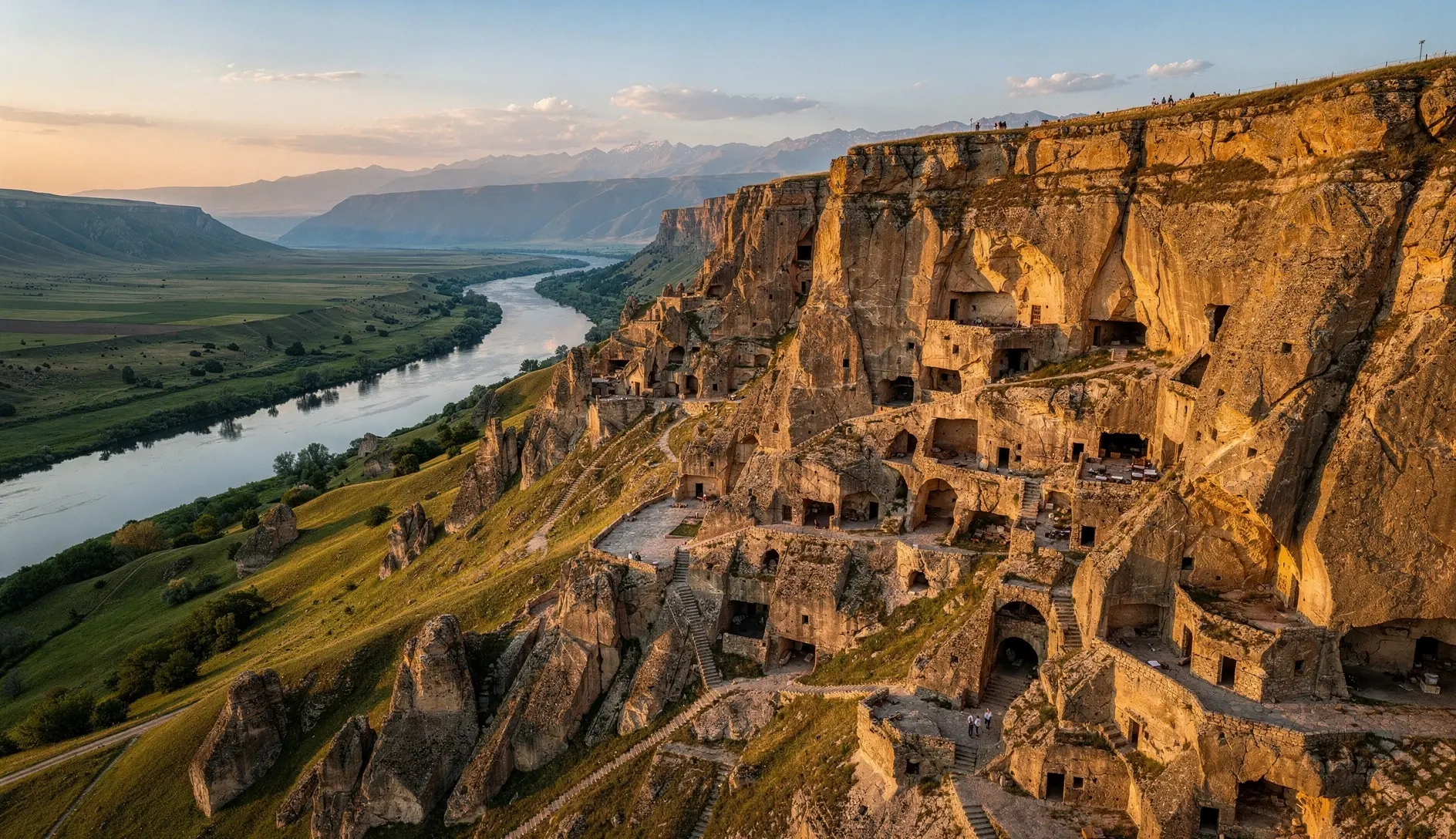
Long before Tbilisi existed — centuries before Mtskheta became the capital of Kartli, before Christianity arrived in the Caucasus — people were carving homes, temples, and streets into a sandstone ridge above the Mtkvari River. Uplistsikhe is one of the oldest continuously inhabited settlements in the entire Caucasus, with traces of human presence stretching back to the late Bronze Age. And unlike Georgia's other famous cave city, Vardzia, this wasn't a monastery. It was a real city — with markets, pharmacies, a theatre, wine cellars, and an escape tunnel down to the river.
Today, the cave complex sits about 10 kilometers east of Gori (yes, Stalin's hometown) and makes for one of the best half-day trips in central Georgia. Most visitors rush through in 45 minutes, snap a few photos, and leave. That's a mistake. Uplistsikhe rewards patience — the longer you stay, the more the layout of this ancient city starts to make sense, and the more the scale of what was carved here by hand hits you.
This guide covers everything you need to plan a proper visit: what to see, how to get there, practical tips, and enough historical context to actually understand what you're looking at.
Quick Facts
A Brief History (Without the Textbook Tone)
Uplistsikhe — "the Lord's Fortress" in Georgian — sits on the left bank of the Mtkvari River in the Shida Kartli region. The name comes from medieval legend: the city was supposedly founded by Uplos, son of Mtskhetos, grandson of Kartlos, the mythical father of the Georgian people. Whether that's true is beside the point. What matters is that Georgians have been telling origin stories about this place for a very long time.
The archaeological reality is equally impressive. The earliest traces of habitation date to the end of the 2nd millennium BC — the late Bronze Age. By the 6th century BC, Uplistsikhe had developed into one of the chief political and religious centres of pre-Christian Kartli (known as Iberia to the Greeks and Romans). The cave complex was a major pagan worship site, with temples dedicated primarily to the sun goddess.
Not Just Another Cave Monastery
Unlike Vardzia or David Gareja, Uplistsikhe was never primarily a monastic site. This was a functioning city — with streets, squares, temples, a theatre, pharmacies, wine presses, cellars, and communal halls. Think of it as Georgia's answer to Pompeii, except carved from living rock rather than built from brick.
When Christianity became the state religion of Kartli in the early 4th century, Uplistsikhe's importance as a pagan centre naturally declined. Mtskheta and later Tbilisi became the new power centres. But Uplistsikhe didn't die — it adapted. A Christian basilica was carved into the rock in the 6th century.
The city's dramatic second act came in the 8th–10th centuries. When Arab forces conquered Tbilisi in 645 AD, the Christian kings of Kartli relocated to Uplistsikhe. The cave city became both a political stronghold and a critical stop on the Silk Road trade route between Europe and Asia. This was Uplistsikhe's golden age — a bustling merchant town full of traders, craftsmen, and court officials.
A three-nave stone basilica was built at the summit during this period, and it still stands today — the most visible structure on the site.
The end came with the Mongol invasions of the 13th–14th centuries. Uplistsikhe was sacked and gradually abandoned. After that, it was used only occasionally as a temporary refuge during invasions. A major earthquake in 1920 destroyed several vulnerable sections. Since 2007, the site has been on UNESCO's Tentative World Heritage List.
What to See at Uplistsikhe
The complex divides roughly into three sections: the southern (lower) part, the central part (the largest, containing most structures), and the northern (upper) part. A central "street" runs through the middle section, with narrow alleys and staircases branching off to different chambers. Here's what to look for:
| Structure | Period | What to Notice |
|---|---|---|
| Queen Tamar's Hall | Pre-Christian era | The most elaborate cave — multi-chambered with a coffered ceiling and smoke hole. Named after Queen Tamar but almost certainly older. |
| Ceremonial Hall | Hellenistic | The southern section's centrepiece. Roman-style arch with pediment on the facade — evidence of Hellenistic influence reaching this far east. |
| Pillared Hall | Pre-Christian era | Two-pillared ceiling with adjacent rooms and a stone bench that likely served as a ruler's seat. One of the most important civic spaces. |
| Three-Nave Basilica | 9th–10th century | Stone and brick church built at the summit over what was probably the most important pagan temple. The most visible structure from a distance. |
| Wine Presses & Cellars | Various | Rock-cut presses and storage chambers scattered throughout — proof that Georgian winemaking goes back millennia. |
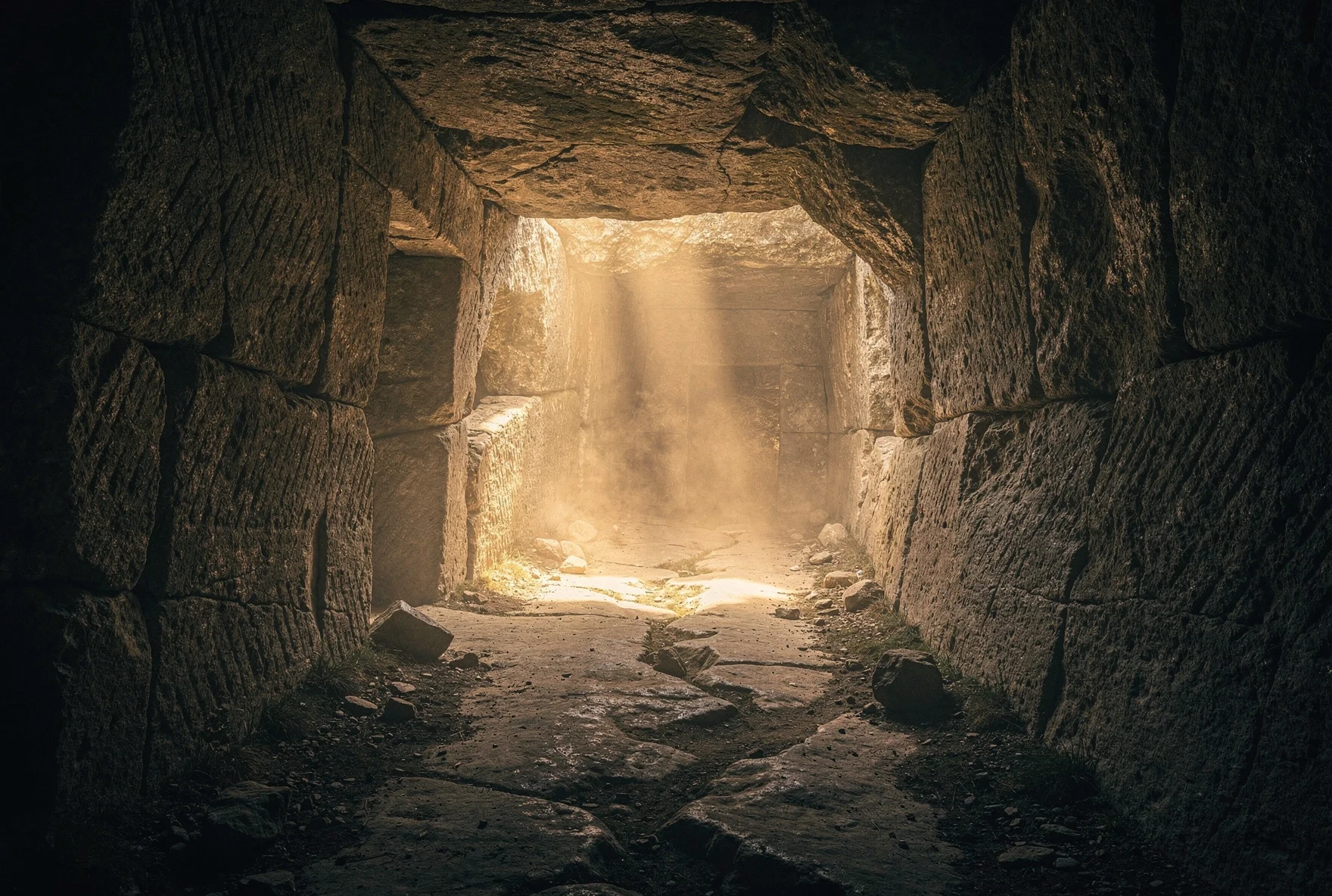
| Secret Tunnel | Ancient | A narrow passage running from the complex down to the Mtkvari River. Used for water supply and emergency escape. Don't miss it on your way out. |
| Theatre | Pre-Christian era | An open-air performance area — unusual for rock-cut cities in the Caucasus. Shows the cultural ambitions of the settlement. |
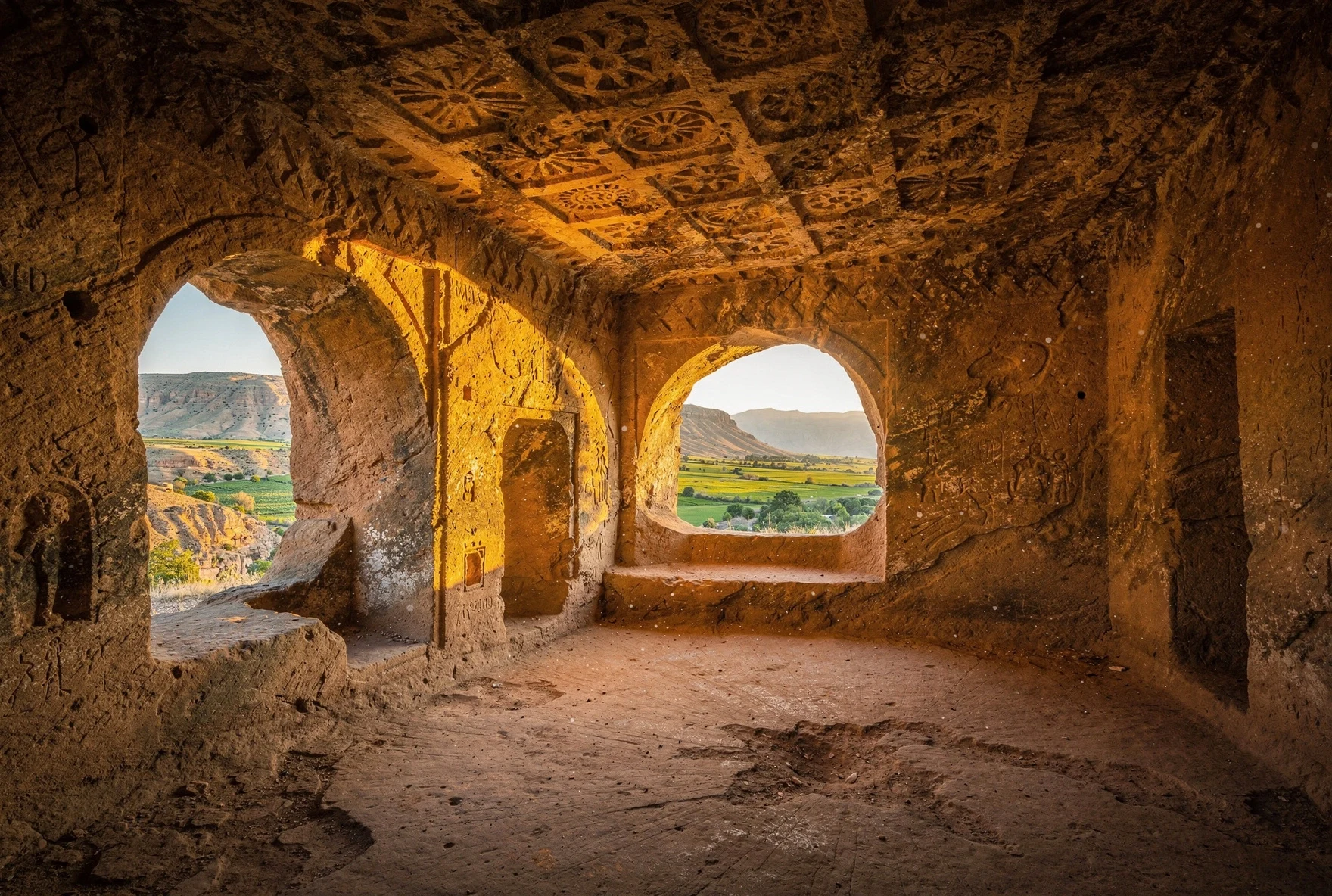
| Coffered Ceilings | Various | Several larger caves have tunnel-vaulted ceilings with stone carved to imitate wooden logs — a fascinating architectural detail. |
Look for the Holes
As you walk the main street, notice the small holes dotting the ground and walls. These once held wooden poles for awnings and roof structures. They're easy to overlook but they transform how you see the site — this wasn't a bare rock face, it was a covered, sheltered town.
Uplistsikhe vs Vardzia vs David Gareja
Georgia has three major cave complexes, and visitors often wonder which one to prioritise. The honest answer: they're all worth seeing, and they're quite different from each other.
| Feature | Uplistsikhe | Vardzia | David Gareja |
|---|---|---|---|
| Type | Ancient city | Cave monastery | Cave monastery |
| Age | ~3,000 years | ~850 years | ~1,400 years |
| From Tbilisi | 1.5 hours | 4.5 hours | 2 hours |
| Visit Time | 1.5–2 hours | 2–3 hours | 2–4 hours |
| Best For | Ancient history, easy access | Scale, frescoes, drama | Solitude, desert landscape |
| Combine With | Gori, Mtskheta | Borjomi, Akhaltsikhe | Sighnaghi, Kakheti |
Practical Information
Opening Hours
| Period | Hours |
|---|---|
| March 15 – April 15 | 10:00 AM – 5:00 PM |
| April 16 – September 30 | 10:00 AM – 7:00 PM |
| October 1 – November 1 | 10:00 AM – 6:00 PM |
| November 2 – March 14 | 10:00 AM – 5:00 PM |
Open 7 days a week, including Mondays and holidays.
Tickets & Guides
| Item | Price | Notes |
|---|---|---|
| Adult entrance | 15 GEL (~$5.50) | May drop to 7 GEL in winter off-season |
| Children under 6 | Free | |
| Audio guide | 15 GEL | Recommended — signage on site is sparse |
| Private English guide | 45 GEL | Available at the ticket office. Worth it for groups. |
Get the Audio Guide
Without context, Uplistsikhe can feel like "just a bunch of rocks with holes in them." The audio guide transforms the experience — you'll understand what each chamber was used for and why the architectural details matter. At 15 GEL, it's one of the best value-adds at any Georgian heritage site.
How Long to Spend
Plan for 1.5 to 2 hours at the site itself. There's no formal walking trail — two entry points (via staircase or tunnel) lead you in, and you meander freely. If you're using the audio guide, budget closer to 2 hours. The site is not massive, but there's a lot to absorb if you actually look at what you're passing.
Getting There
Uplistsikhe is 10 km east of Gori and about 80 km west of Tbilisi. Most visitors combine it with a visit to Gori (specifically the Stalin Museum). Here are your options:
| Method | Time | Cost | Notes |
|---|---|---|---|
| Rental car from Tbilisi | ~1.5 hours | From 80 GEL/day + fuel | Easy drive on the main E60 highway. Best option for flexibility — combine with Gori and Mtskheta. |
| Marshrutka to Gori + taxi | ~2 hours total | ~8 GEL + 15–20 GEL taxi | Marshrutkas leave from Tbilisi's Didube station every 20–30 min. From Gori, grab a taxi to Uplistsikhe and negotiate a round trip with wait time. |
| Train to Gori + taxi | ~2.5 hours total | ~3 GEL + 15–20 GEL taxi | Cheap but slower. Several daily trains from Tbilisi Central Station. Gori station is walkable to the centre. |
| Bolt/Yandex taxi from Tbilisi | ~1.5 hours | 80–120 GEL one way | Convenient but expensive. Consider hiring for the full day — a driver will wait at Uplistsikhe and take you to Gori too. |
| Organized day tour | Full day | 100–180 GEL | Usually includes Mtskheta + Gori + Uplistsikhe. Good value if solo. Book from Tbilisi hostels or online platforms. |
The Gori Taxi Trick
If you take the marshrutka or train to Gori, negotiate a round-trip taxi to Uplistsikhe that includes 1.5–2 hours of waiting time. Most Gori taxi drivers know the drill and will quote 30–40 GEL for the whole trip. Have them drop you at the entrance and pick you up when you're done. This is significantly cheaper than trying to find a taxi back from Uplistsikhe, where options are limited.
When to Visit
| Season | Conditions | Verdict |
|---|---|---|
| Spring (Apr–May) | Green plains, wildflowers, 15–22°C. Light winds. | Best overall — gorgeous photos, comfortable walking |
| Summer (Jun–Aug) | Brutally hot (35°C+), almost no shade on site. Crowded. | Go very early morning or late afternoon only |
| Autumn (Sep–Nov) | Golden light, warm days, fewer tourists. 12–25°C. | Excellent — great light for photography |
| Winter (Dec–Mar) | Cold but clear. 0–8°C. Very few visitors. Half-price entry. | Atmospheric and quiet — you may have it to yourself |
Wind Warning
Uplistsikhe is exposed on a ridge above the river, and it gets significantly windier than Gori or Tbilisi. What feels like a light breeze in town can be gale-force at the site. Bring a layer even in summer, and hold onto hats and loose items.
Suggested Walking Route
There's no marked trail, but here's how to see everything efficiently without doubling back too much:
1. Enter via the Main Staircase
Start at the ticket office and take the rock-cut staircase up. This was the main entrance to the city — the road approaching from the north, with walls up to 10 metres high on either side.
2. Central Street & Chambers
Follow the main thoroughfare through the central section. Duck into caves as you go — look for coffered ceilings, wine presses, and the pole holes in the ground. The pillared hall and ceremonial spaces are off to the sides.
3. Queen Tamar's Hall & Southern Section
Head to the southern (lower) section via the narrow rock-cut pass. Queen Tamar's Hall is the largest and most decorated cave. The ceremonial hall with the Roman-style arch facade is nearby.
4. Summit Basilica & Tunnel Exit
Climb to the top for the 9th/10th-century basilica and panoramic views of the Mtkvari valley. On your way back down, take the secret tunnel — it exits near the river and loops back to the entrance.
Combining Uplistsikhe with Gori
The obvious (and best) day trip combo. Gori is just 10–15 minutes away by car, and the two complement each other perfectly: ancient pagan cave city in the morning, Soviet-era historical complexity in the afternoon.
Here's a suggested itinerary:
Gori + Uplistsikhe Day Trip from Tbilisi
Where to Eat
There's a small café at Uplistsikhe's entrance with basic food and drinks, but don't count on it for a real meal. Save your appetite for Gori — the restaurants along Stalin Avenue serve proper Kartli-style food. If you're driving back to Tbilisi, Salobie in Mtskheta is a legendary stop for lobio and bread.
Budget Guide
💰 Budget (Solo)
🚗 Comfortable (Car/Couple)
Practical Tips
👟 Wear Good Shoes
The rock surfaces are uneven, sometimes slippery, and there are steep sections. Sandals and flip-flops are a recipe for a twisted ankle. Proper walking shoes or trainers.
🧴 Sun Protection
Very little shade on the site apart from inside the caves. Bring sunscreen, sunglasses, and a hat — especially from May to September. Carry water.
📱 Cell Service
Good cell coverage at the site (it's near Gori, not remote). You can call a Bolt from the car park if needed, though availability is hit-or-miss outside Tbilisi.
🚻 Facilities
Basic toilets and a small café at the entrance. No facilities on the site itself. Use the restroom before you head up.
📷 Photography
Best light in early morning or late afternoon. The basilica at the summit with the river valley behind it is the money shot. Wide-angle lens recommended for the cave interiors.
👨👩👧👦 With Kids
Doable with older kids who can manage uneven terrain. Not ideal for strollers or very young children — some drops aren't fenced. The tunnel is a highlight for kids.
Common Mistakes
⏱️ Rushing Through
Many visitors do 30–45 minutes and leave disappointed. Uplistsikhe rewards slow exploration. Budget 1.5–2 hours and actually enter the caves, don't just walk past them.
🎧 Skipping the Audio Guide
Without context, the caves look like random holes in rock. The audio guide explains what each structure was, why the architecture matters, and what to look for. Worth every tetri.
🌡️ Summer Midday Visit
The Kartli plain is an oven in July and August. Visiting at noon means 35°C+ with almost no shade. Morning or late afternoon, or save it for spring/autumn.
🚶 Missing the Tunnel
The ancient escape tunnel to the river is near the southern exit and easy to walk past. Ask at the entrance or follow signs — it's one of the coolest features.
🚗 No Return Transport Plan
Uplistsikhe is 10 km outside Gori with no reliable public transport. If you arrived by marshrutka, arrange a round-trip taxi with wait time in Gori before heading out.
📍 Only Visiting Uplistsikhe
You're already in Gori — see the Stalin Museum and fortress too. The combined day is far more interesting than either site alone.
Frequently Asked Questions
Is Uplistsikhe worth visiting if I've already seen Vardzia?
Yes. They're fundamentally different sites. Vardzia is a medieval monastery complex — impressive for its scale and frescoes. Uplistsikhe is much older, was a secular city rather than a religious one, and the architecture reflects Anatolian and Persian influences you won't see at Vardzia. It's also far easier to reach from Tbilisi.
Can I visit Uplistsikhe without a car?
Absolutely. Take a marshrutka or train from Tbilisi to Gori (1–1.5 hours), then a taxi from Gori to Uplistsikhe (15–20 GEL, 10 minutes). Arrange a round trip with the taxi driver. Alternatively, organized day tours from Tbilisi include transport.
Is Uplistsikhe accessible for people with mobility issues?
Unfortunately, no. The site involves significant uphill walking on uneven, sometimes steep rock surfaces. There are no ramps, handrails, or accessible paths. People with knee or balance issues will find it challenging.
Is there parking at Uplistsikhe?
Yes, there's a free car park near the entrance/ticket office. It's rarely full except on peak summer weekends.
Can I combine Uplistsikhe with Mtskheta in one day?
If you're driving, yes — Mtskheta is on the way between Tbilisi and Gori. A doable itinerary: Tbilisi → Uplistsikhe → Gori → Mtskheta → Tbilisi. By public transport it's tighter but possible if you start early.
Written by The Georgian Guide Team
Based in Tbilisi for over five years, we've visited Uplistsikhe in every season and can confirm: the audio guide is worth it, the tunnel is the highlight, and going at midday in August is a terrible idea.
Last updated: February 2026.
Related Articles
Gori: Stalin's Birthplace & Georgia's Most Complicated City
The complete guide to Gori — pair with Uplistsikhe for a perfect day trip.
Vardzia Cave City Guide
Georgia's other great cave complex — a medieval monastery carved into a cliff.
Best Day Trips from Tbilisi
All the best half-day and full-day trips, including Uplistsikhe.
Mtskheta: Georgia's Ancient Capital
Stop here on the way back from Gori for Jvari Monastery and Svetitskhoveli.