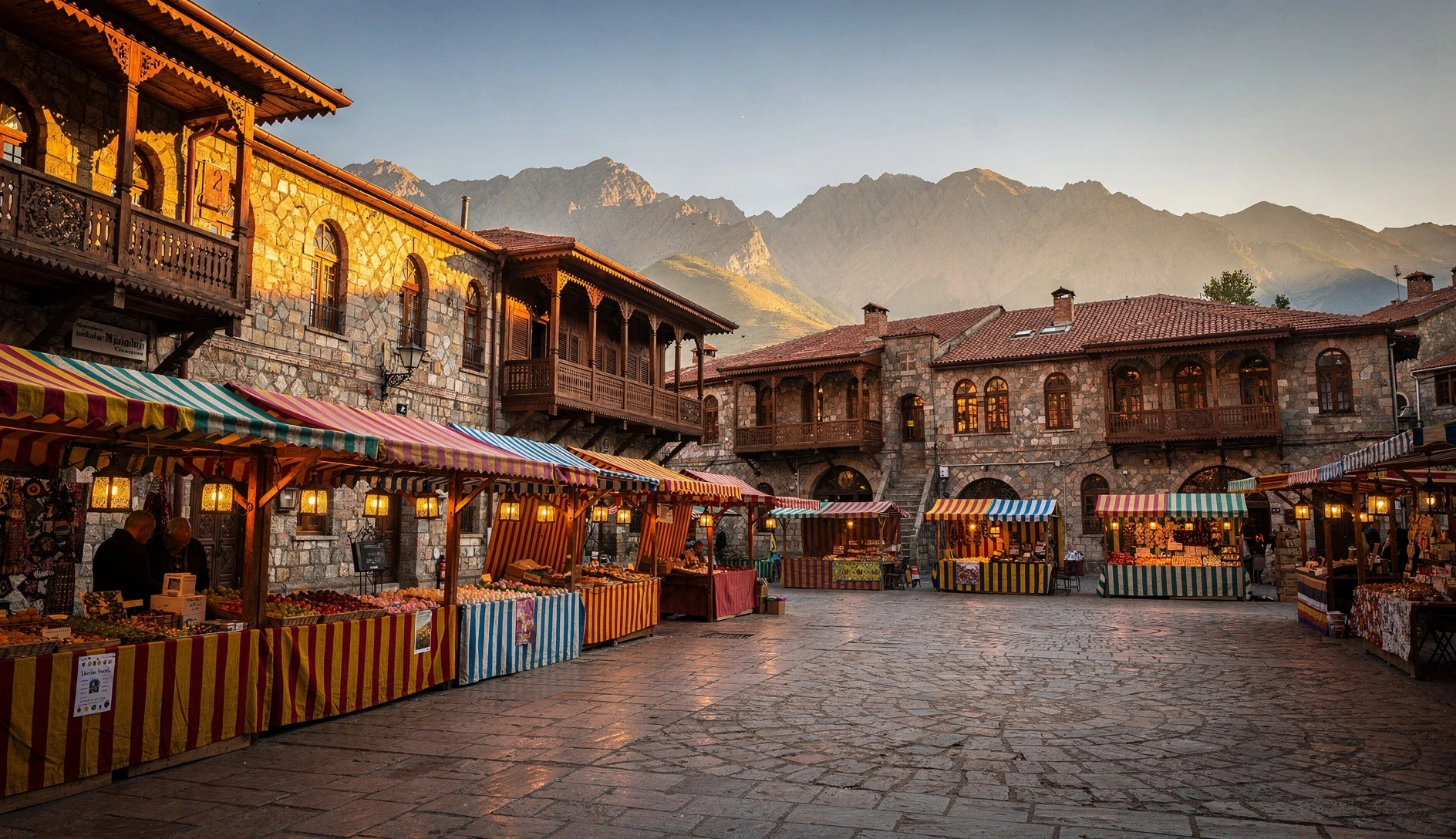
Georgia doesn't really do low-key. A country that treats every dinner like a ceremony and every guest like family was never going to phone it in on festivals. From ancient pagan fire rituals in Svaneti to citywide harvest celebrations that shut down the streets of Tbilisi, Georgia's calendar is packed with events that most travel guides barely mention.
The tricky part: dates are often confirmed only weeks (sometimes days) in advance. Weather-dependent events like the Rtveli grape harvest shift year to year. Religious holidays follow the Julian calendar, landing on different dates than their Western equivalents. And some festivals exist mostly through word of mouth — you'll hear about them from a guesthouse owner the day before.
This guide covers every major festival, cultural event, and public holiday worth planning your trip around in 2026, with honest assessments of which ones are actually worth rearranging your itinerary for.
Which Festivals Are Actually Worth Planning Around?
Let's be honest: not every Georgian festival is a must-see. Some are genuinely extraordinary experiences. Others are mostly for locals and you'll barely notice them as a tourist beyond closed banks. Here's the shortlist of events that are actually worth adjusting your travel dates for.
🏆 Tbilisoba (October)
The single best festival for tourists. The entire Old Town becomes a street party with food, wine, music, and dance. Two days of pure Georgian celebration. Unmissable.
🍇 Rtveli (September–October)
The grape harvest season in Kakheti. Not one event but a whole season. Visit a family winery during harvest and you'll stomp grapes, drink chacha, and leave with memories (and a headache) for life.
⛪ Orthodox Christmas (January 7)
The Alilo procession through Tbilisi is genuinely moving — hundreds singing hymns through the streets, collecting donations for those in need. Winter atmosphere, candles, incense.
🔥 Lamproba (February)
If you're in Svaneti during winter, this ancient fire festival in Mestia is hauntingly beautiful. Torchlight processions through snow-covered streets. Otherworldly.
About Georgian Festival Dates
Most festivals don't have fixed dates confirmed until a few weeks before. Religious holidays follow the Julian calendar (13 days behind the Gregorian). Seasonal events like Rtveli depend on weather. Dates marked "TBC" below are educated guesses based on previous years — check back closer to the time for confirmations.
January: The Long Holiday
Georgia takes the first two weeks of January seriously. The country essentially shuts down from New Year's Eve through Orthodox Epiphany on January 19. Shops close, offices empty, and the entire nation enters a food-and-family coma. For travelers, it's a fascinating time — cities are quiet but festive, winter landscapes are stunning, and you'll stumble into celebrations everywhere.
| Event | Date | What Happens |
|---|---|---|
| New Year's Day | January 1 | Public holiday. Fireworks the night before are spectacular (and chaotic). Everything closed. |
| Mekvleloba & Bedoba | January 1–2 | The first visitor of the year determines the household's luck. January 2 is "fate day" — do whatever you want your year to look like. |
| Orthodox Christmas | January 7 | Alilo procession through Tbilisi. Believers attend midnight mass. Public holiday. |
| Old New Year | January 14 | Not official but marked with small fireworks. Julian calendar New Year's Eve. |
| Natlisgheba (Epiphany) | January 19 | Commemorates Jesus's baptism. Ice plunges on Paravani Lake in Javakheti. Public holiday. |
The Alilo on January 7 is the highlight. In Tbilisi, the procession starts around 2 PM from First Republic Square and winds through the city to Sameba Cathedral. Thousands of people sing together, carrying icons, collecting food and clothes for the poor. Even if you're not religious, it's one of those moments where you feel the weight of a 1,700-year-old Christian tradition.
Practical note: restaurants and museums may be closed during the first week. Stock up on food if you're staying in an apartment. The ski resorts in Gudauri are packed during this period.
February: Fire and Frost
February is the quietest month for tourism in Georgia, which is exactly why some of the most interesting cultural events feel more authentic. You won't be sharing them with Instagram influencers.
Lamproba (February 14, 2026) — Svaneti's ancient "Festival of Lamps" is one of those events that hasn't been packaged for tourists. On this night, people in Mestia and surrounding villages craft torches from birch or oak branches and carry them to family graves, setting them alight. A massive bonfire burns in front of the church. The mountains glow. It's sometimes called "Georgia's Day of the Dead," and the comparison to Día de Muertos isn't wrong — it's a celebration of connection between the living and the dead.
Getting there in February means dealing with snow and limited transport, but if you're already in Svaneti for skiing or winter hiking, time your visit around this.
Gemo Fest Mestia (February 21–22, 2026) — A newer food festival showcasing Svan cuisine. Small but growing, and the food is incredible — kubdari (meat-stuffed bread), tashmjabi (cheesy mashed potatoes), and locally foraged mountain herbs.
March & April: Spring Arrives
Spring in Georgia is unpredictable — you might get snow in Tbilisi in March or 25°C days in April. The festival calendar mirrors this uncertainty, with dates often shifting.
| Event | Date | Details |
|---|---|---|
| Mother's Day | March 3 | Public holiday. Florists everywhere, restaurants packed with families. |
| International Women's Day | March 8 | Public holiday. Taken very seriously — flowers, gifts, special meals. Expect all women you meet to be wished a happy day. |
| Orthodox Easter | April 12, 2026 | The most important religious holiday. Midnight liturgy, red eggs, special bread (paska). Everything closes Good Friday through Easter Monday. |
| National Unity Day | April 9 | Commemorates the 1989 Soviet crackdown. Somber, with wreath-laying at the April 9 memorial on Rustaveli Avenue. |
Orthodox Easter deserves special attention. It's a bigger deal than Christmas for most Georgians. The midnight service at Sameba Cathedral is extraordinary — the cathedral fills to capacity, candles are passed from flame to flame until the entire building glows, and the congregation spills out into the surrounding grounds. Easter eggs are dyed red, families gather for huge meals, and the whole weekend runs on a different emotional rhythm.
If you're traveling during Easter week, expect limited services from Good Friday through Easter Monday. Banks, government offices, and many restaurants will be closed. But the atmosphere is electric — it's one of the best times to witness Georgian Orthodox traditions firsthand. If your trip overlaps with it, use the dedicated Orthodox Easter in Georgia guide for the practical version: where to go, what to wear, what closes, and how not to get in the way.
Easter Etiquette
If you visit a church during Easter services, cover shoulders and knees. Women should cover their hair. Don't take flash photos during the service. Standing through the entire liturgy is normal — Georgian Orthodox churches have very few seats. Say "Kriste aghsdga!" (Christ is risen) and they'll respond "Cheshmaritad aghsdga!" (Truly He is risen).
May: Independence and Wine
May is when Georgia truly comes alive. The weather turns warm, the mountains start to clear, and the festival season kicks into gear.
Independence Day (May 26) — Georgia's most patriotic holiday, marking the declaration of the First Democratic Republic in 1918. Military parades on Rustaveli Avenue, concerts, fireworks, and flags everywhere. The atmosphere is celebratory but also reflective — Georgia's independence has been won, lost, and fought for repeatedly.
New Wine Festival (May, TBC) — Typically held in Tbilisi's Mtatsminda Park or the Expo Georgia grounds. Winemakers from across the country showcase their latest wines, including qvevri-made natural wines that Georgia is increasingly famous for. This is where you'll find small-batch producers you'd never encounter otherwise — family operations making 500 bottles a year from grape varieties most wine drinkers have never heard of.
Tbilisi Open Air (late May, TBC) — An electronic music festival at Lisi Lake, usually attracting a mix of international and local DJs. Georgia's electronic music scene is world-class (Bassiani and Khidi are on every techno fan's bucket list), and this festival brings it outdoors.
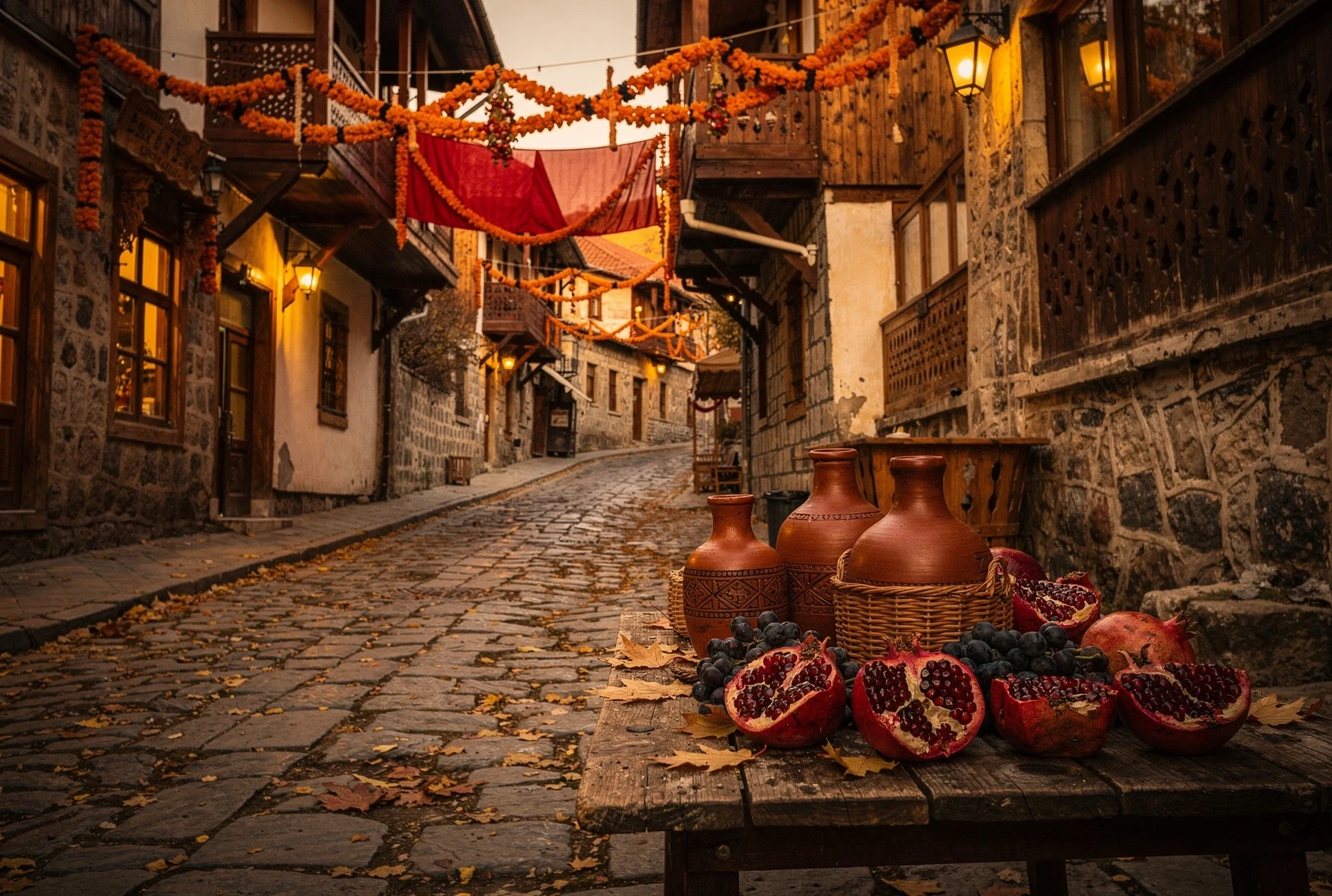
June–August: Peak Season
Summer is when Georgia's cultural calendar collides with peak tourism. Temperatures in Tbilisi hit 35–40°C, which sends locals to the mountains and the coast — and the festivals follow them.
| Event | When | Where | What |
|---|---|---|---|
| Art-Gene Festival | July (TBC) | Tbilisi Ethnographic Museum | Music, crafts, and cultural performances at the open-air museum above Turtle Lake. One of the best summer events. |
| Tushetoba | Mid-July (TBC) | Tusheti | Horse racing, traditional sports, music, and feasting in one of Georgia's most remote regions. Getting there is half the adventure. |
| Shatiloba | Late July (TBC) | Shatili, Khevsureti | Folk festival in one of Georgia's most dramatic medieval villages. Traditional songs, dances, Khevsur wrestling. |
| Batumoba | Late August (TBC) | Batumi | Batumi's birthday party. Concerts, street food, fireworks on the Black Sea coast. |
| Mariamoba (Assumption) | August 28 | Nationwide | Public holiday. Churches hold special services. Many families feast together. |
| Black Sea Jazz Festival | July (TBC) | Batumi | International jazz acts on the Batumi seafront. Free outdoor stages plus ticketed indoor shows. |
Tushetoba stands out as a truly unique experience. Tusheti is accessible only by one of the most terrifying mountain roads in the Caucasus (or by helicopter, which runs occasionally). During the festival, the isolated mountain villages fill with Tushs who've returned from the lowlands, plus a small number of adventurous tourists. There's horse racing, traditional wrestling, enormous communal feasts, and an atmosphere that feels completely untouched by modern tourism.
The Art-Gene Festival at Tbilisi's Open-Air Ethnographic Museum is the more accessible option. Set on a hillside overlooking the city, with traditional houses from every Georgian region as the backdrop, it combines folk music, contemporary art, craft workshops, and excellent food. It's one of the few Georgian festivals that feels equally designed for locals and visitors.
September–October: The Golden Season
This is it. The best two months for festivals in Georgia, and arguably the best two months to visit the country, period. The weather is perfect (20–28°C), the light is golden, and the harvest season transforms the countryside.
Rtveli: The Wine Harvest
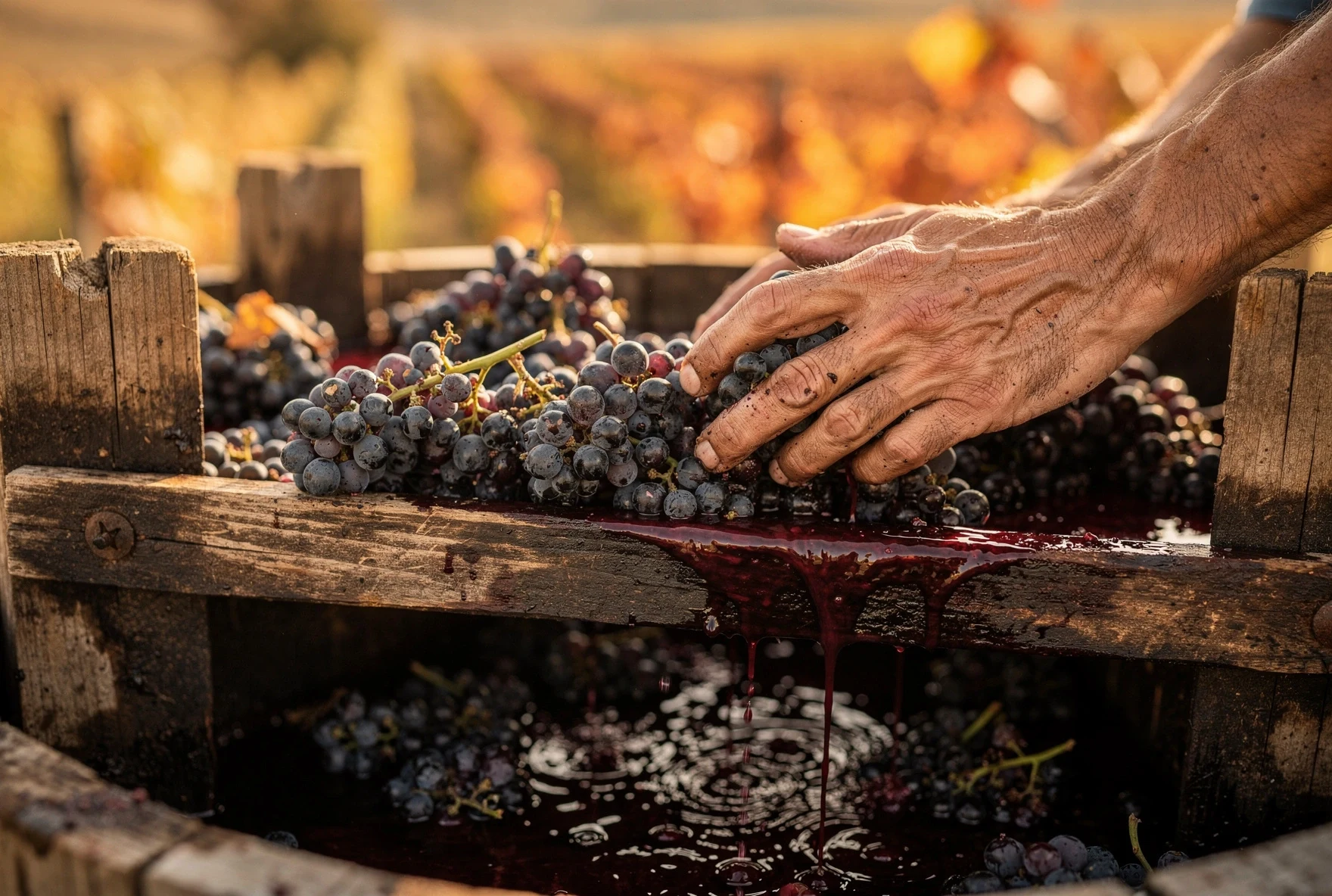
Rtveli isn't a single event — it's a season. From mid-September through late October, families across Kakheti (and to a lesser extent other wine regions) harvest their grapes. And in Georgia, grape harvesting isn't a commercial activity you observe from behind a fence. It's a communal celebration you're expected to join.
Visit almost any family winery in Kakheti during Rtveli and you'll be handed a basket and put to work. After the picking comes the pressing — traditionally done by stomping grapes in a satsnakheli (wooden press). Then the chacha starts flowing. Then the songs start. Then someone decides it's time for a supra. Six hours later, you're swearing eternal friendship with a family you met that morning.
The organized Rtveli festivals — held in Sighnaghi, Telavi, and other Kakheti towns — are fun but somewhat staged. The real experience is at a family vineyard. Ask your guesthouse owner, hire a local driver, or just drive down the backroads of Kakheti in October and follow the smell of fermenting grapes.
Tbilisoba: Tbilisi's Birthday
Held on the last weekend of October (October 24–25, 2026, TBC), Tbilisoba is the one Georgian festival every tourist should try to catch. It celebrates the founding of Tbilisi and essentially transforms the Old Town into an open-air feast.
The entire Old Town — from Rike Park to Shardeni Street to the sulfur bath district — fills with food vendors, wine tents, performers, and a few hundred thousand people. Regional groups from across Georgia set up stalls showcasing local food and crafts. There's folk dancing, live music, theater performances, and wine flowing from every direction.
It's loud, crowded, sometimes chaotic, and absolutely worth it. Book accommodation well in advance — hotels in the Old Town sell out weeks ahead.
Alaverdoba
September (TBC). A religious and folk festival at Alaverdi Cathedral in Kakheti — one of the tallest and most impressive churches in Georgia. Combines religious services with traditional markets and festivities. Coincides with the grape harvest.
Bidzinaoba
October (TBC). A cultural festival in eastern Georgia celebrating harvest, with horse riding, agricultural displays, and traditional sports. Less touristy than Tbilisoba — more of a rural community event.
November & December: Winding Down
The festival calendar quiets down in November as Georgia braces for winter. But December brings a gentle buildup to the massive New Year celebration.
| Event | Date | Details |
|---|---|---|
| Giorgoba (St. George's Day) | November 23 | Public holiday honoring Georgia's patron saint. Churches hold special services. Many Georgians named Giorgi celebrate. |
| Tbilisi International Film Festival | November/December (TBC) | Growing annual film festival showcasing Georgian and international cinema. Screenings at various Tbilisi venues. |
| New Year's Eve | December 31 | Georgia's biggest celebration. Massive fireworks, streets packed, the chichilaki (traditional wooden Christmas tree) appears. Feasting lasts until mid-January. |
New Year's is Georgia's Christmas. It's the main gift-giving holiday, the biggest feast, and the most eagerly awaited night of the year. Every family prepares a table groaning with food — satsivi, gozinaki, churchkhela, roast pork, and enough wine to float a small boat. The chichilaki — a curled wooden shaving that serves as a traditional Georgian Christmas tree — appears in homes and public spaces.
Tbilisi's New Year's fireworks are spectacular and utterly unregulated. They start around 11 PM and continue well past 2 AM, launched from balconies, rooftops, parks, and seemingly every second courtyard. It's beautiful and slightly terrifying.
Public Holidays at a Glance
Georgia has 17 official public holidays — one of the highest counts in Europe. On these days, banks and government offices close. Restaurants and tourist attractions usually remain open, though some may have reduced hours.
| Date | Holiday | Impact on Travelers |
|---|---|---|
| January 1–2 | New Year | Everything closed. Stock up beforehand. |
| January 7 | Orthodox Christmas | Most things closed. Alilo procession worth seeing. |
| January 19 | Natlisgheba (Epiphany) | Banks closed. Minimal impact otherwise. |
| March 3 | Mother's Day | Restaurants very busy. Book ahead. |
| March 8 | International Women's Day | Some businesses closed. Florists everywhere. |
| April 9 | National Unity Day | Somber atmosphere on Rustaveli. Banks closed. |
| April 10–13* | Easter (Good Friday–Easter Monday) | Significant closures. Transport runs reduced. |
| May 9 | Victory Day | Minor. Some ceremonies at war memorials. |
| May 12 | St. Andrew's Day | Church services. Minimal tourist impact. |
| May 26 | Independence Day | Parades, concerts, fireworks. Great atmosphere. |
| August 28 | Mariamoba (Assumption) | Churches busy. Otherwise normal for tourists. |
| October 14 | Mtskhetoba (Svetitskhovloba) | Pilgrimage to Mtskheta. Roads busy. |
| November 23 | Giorgoba (St. George's Day) | Banks closed. Minor impact. |
* Easter dates vary yearly based on the Julian calendar. 2026 Easter is April 12.
Planning Tips for Festival Travel
🏨 Book Early
Hotel prices in Tbilisi double during Tbilisoba weekend. Kakheti guesthouses fill up during Rtveli. Book 2–4 weeks ahead for major festivals, especially in October.
📱 Check Dates Late
Georgian festivals are notoriously vague on dates. Follow the Georgian National Tourism Administration and local event pages on Facebook. Dates get confirmed 2–4 weeks out.
🚗 Arrange Transport
Regional festivals (Tushetoba, Shatiloba, Lamproba) require advance transport planning. Public transport to these areas is limited or nonexistent. Rent a car or hire a local driver.
🍷 Pace Yourself
Georgian festivals involve drinking. A lot of drinking. Don't try to keep up with the locals — they've been training for this their entire lives. Eat before you drink, alternate with water, and know that refusing is always acceptable (despite what the tamada says).
The Best Month to Visit for Festivals
If you have to pick one month, pick October. The Rtveli harvest is in full swing, Tbilisoba brings the city to life, the weather is perfect (18–25°C), and autumn colors make the countryside spectacular. Late September is a close second. Read our full Best Time to Visit Georgia guide for more.
What to Expect at a Georgian Festival
If you've been to festivals in Western Europe, reset your expectations. Georgian festivals are:
Unstructured. There's rarely a printed program. Things happen when they happen. The horse race might start an hour late because someone's uncle needed to give a toast. The concert begins when the musicians finish eating. Embrace it.
Food-centric. Every Georgian festival is, at its core, an excuse to eat. Even religious holidays revolve around specific foods — gozinaki (honey-walnut candy) for New Year, red eggs for Easter, churchkhela for harvest season. You will not go hungry.
Musical. Georgian polyphonic singing — UNESCO-recognized and genuinely spine-tingling — appears at every significant gathering. At some point, a group of men will lock arms, and the harmonies that come out will make you question why you've been listening to pop music your entire life.
Inclusive. The Georgian concept of hospitality extends to festivals. You're not a spectator — you're a participant. Someone will hand you a glass of wine. Someone else will insist you try their churchkhela. A third person will teach you a dance step. Go with it.
Wet. Georgian celebrations involve wine, chacha (grape brandy), beer, and sometimes all three in sequence. If you're attending any festival during autumn, you'll be offered drinks constantly. A polite "madloba, ara" (thanks, no) is always fine.
Frequently Asked Questions
Are Georgian festivals free?
Most are. Tbilisoba, Rtveli celebrations, and religious holidays are free public events. Some music festivals (Black Sea Jazz, electronic events) charge for ticketed shows, but often have free outdoor stages too.
Are the festivals safe?
Very. Georgia is one of the safest countries in the region. Standard precautions apply (watch your phone in crowds), but violent crime at festivals is essentially unheard of. Read our safety guide for more.
Can I join a supra without an invitation?
Sort of. During festivals, spontaneous supras happen everywhere and strangers get pulled in constantly. You won't need to seek one out — stay in the vicinity of wine and food long enough and someone will invite you. Read our complete supra guide.
Do I need to speak Georgian?
No, but learning a few basic phrases will dramatically improve your experience. "Gaumarjos!" (cheers) alone will take you far. Younger Georgians in Tbilisi speak decent English; in rural areas, it's more challenging.
What should I wear?
Casual is fine for secular festivals. For church events (Easter, Christmas, Alaverdoba), cover shoulders and knees. Women should bring a head scarf for churches. Comfortable shoes always — cobblestones are hard on dress shoes.
When are festival dates confirmed?
Religious holidays have fixed dates. Everything else is fluid. Expect dates to be confirmed 2–6 weeks before the event. Follow local tourism pages on social media for announcements.
Written by The Georgian Guide Team
We've attended Tbilisoba, stomped grapes during Rtveli, shivered through Lamproba, and eaten our way through more festival supras than we can count. This guide is based on years of firsthand experience celebrating alongside Georgians.
Last updated: March 2026.
Related Articles
Best Time to Visit Georgia
Month-by-month weather breakdown and the best seasons for every type of trip.
The Georgian Supra
Everything about Georgia's legendary feast — the tamada, the toasts, and how to survive your first one.
Kakheti Wine Region Guide
Where to go, what to drink, and how to experience Georgia's 8,000-year wine tradition.
Georgian Music & Dance
Polyphonic singing, traditional dances, instruments, and where to see live performances.