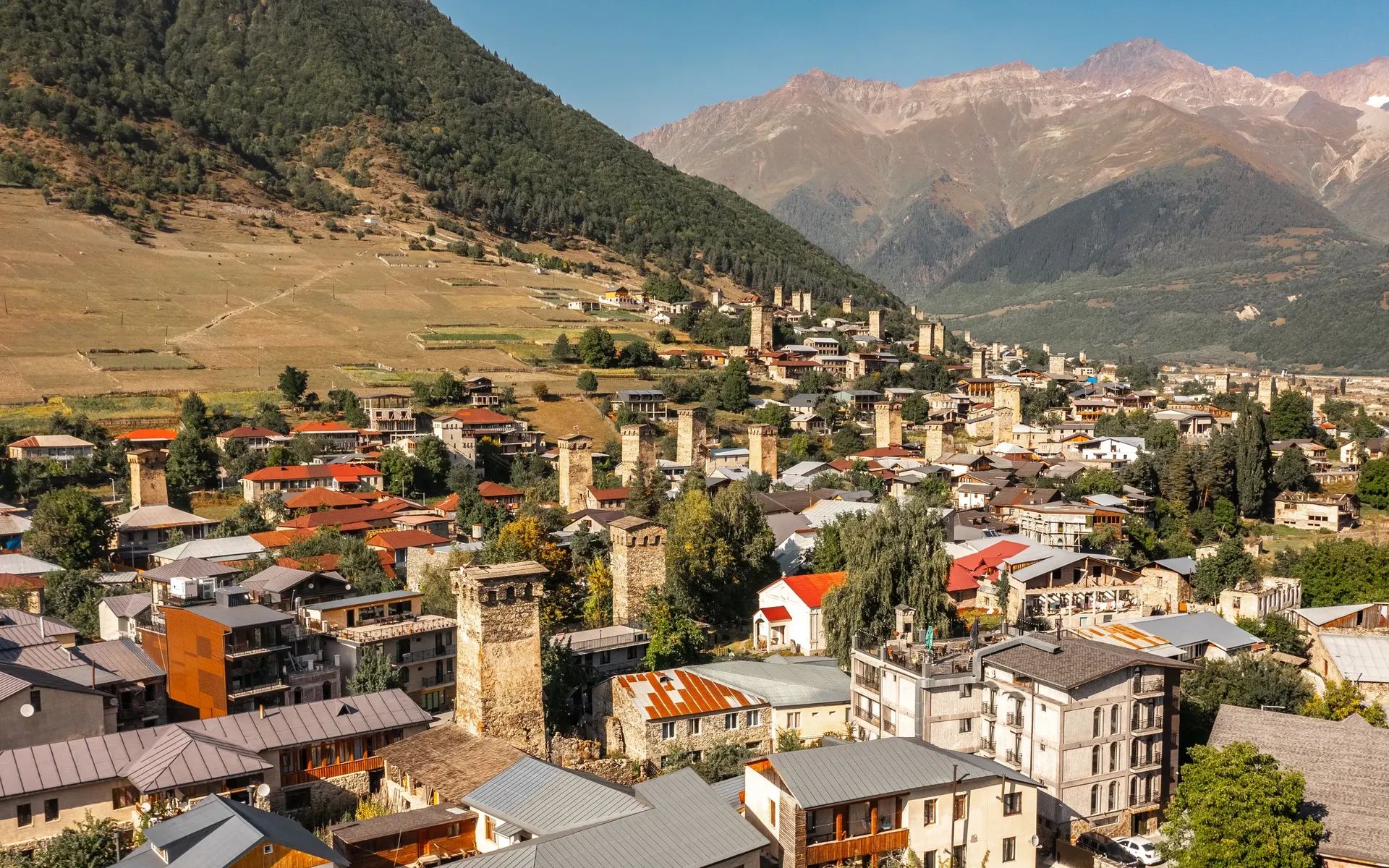
Why Svaneti Deserves Its Own Trip
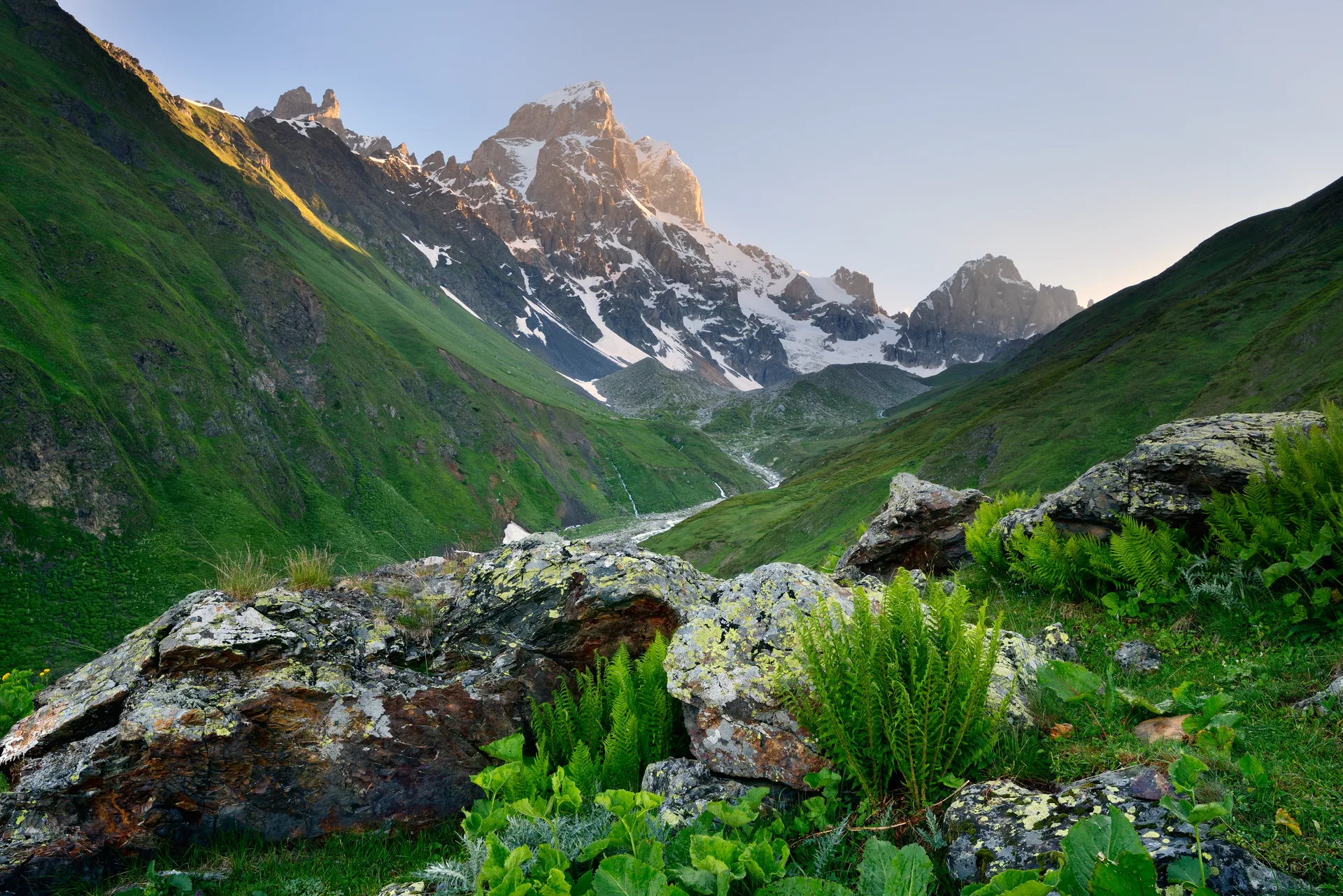
Georgia has no shortage of stunning mountain scenery, but Svaneti operates on a different level. This is the highest inhabited region in Europe. The peaks here — Shkhara (5,201m), Tetnuldi (4,974m), Ushba (4,710m) — dwarf anything in the Alps. The villages are UNESCO World Heritage sites, and the Svan people have their own language, their own traditions, and a fierce independence that kept every invader in history at bay.
Most travelers to Georgia stick to Tbilisi, maybe do a day trip to Kazbegi. That's fine. But Svaneti is where Georgia becomes truly otherworldly. The tradeoff is accessibility — getting here takes effort. That effort is what keeps Svaneti from becoming another overcrowded Instagram destination, and it's why the experience feels so authentic.
Understanding the Region
Svaneti is divided into two parts: Upper Svaneti (Zemo Svaneti) and Lower Svaneti (Kvemo Svaneti). When people say "Svaneti" in a travel context, they almost always mean Upper Svaneti — the UNESCO-protected area around Mestia and Ushguli. Lower Svaneti is less developed for tourism and rarely visited.
Upper Svaneti sits on the southern slopes of the Greater Caucasus, with the Enguri River cutting through the valley. The two main bases are Mestia (the regional hub, roughly 1,500m elevation) and Ushguli (a cluster of five tiny hamlets at 2,100m). Between and around them are scattered villages, glaciers, alpine lakes, and some of the best trekking routes in the Caucasus.
The Svan People
The Svans speak their own language (Svan, not a dialect of Georgian — a separate Kartvelian language with no written form). They have distinct traditions, music, and customs. Hospitality is deeply ingrained, but the Svans are also known for their fierce independence — historically, they successfully resisted Mongol, Persian, and Ottoman invasions. Respect their culture and you'll be treated like family.
Mestia: The Gateway Town
Mestia is where most Svaneti trips begin and end. It's a sprawling town of about 2,500 people, spread across several hamlets in a wide valley. Don't expect a charming alpine village — Mestia is functional rather than pretty, with a mix of Soviet-era buildings, new guesthouses, and the iconic medieval towers scattered throughout.
What Mestia does offer is infrastructure. There's an airport (seasonal flights from Tbilisi), a tourist information center, ATMs, small shops, restaurants, and dozens of guesthouses. The Svaneti Museum of History and Ethnography is genuinely excellent — it houses medieval icons and gold artifacts that were hidden in the towers for centuries.
| Mestia Essential | Details |
|---|---|
| Elevation | ~1,500m above sea level |
| Population | ~2,500 |
| ATMs | Bank of Georgia and TBC in the center — bring cash backup (see money guide) |
| Mobile signal | Decent in town (Magti/Geocell), patchy on trails |
| Grocery shops | Small stores with basics. No supermarkets — stock up in Zugdidi |
| Restaurants | 10-15 options. Try kubdari (Svan meat pie) everywhere |
| Must-visit | Svaneti Museum of History and Ethnography (medieval icons, gold treasures) |
Ushguli: The Crown Jewel
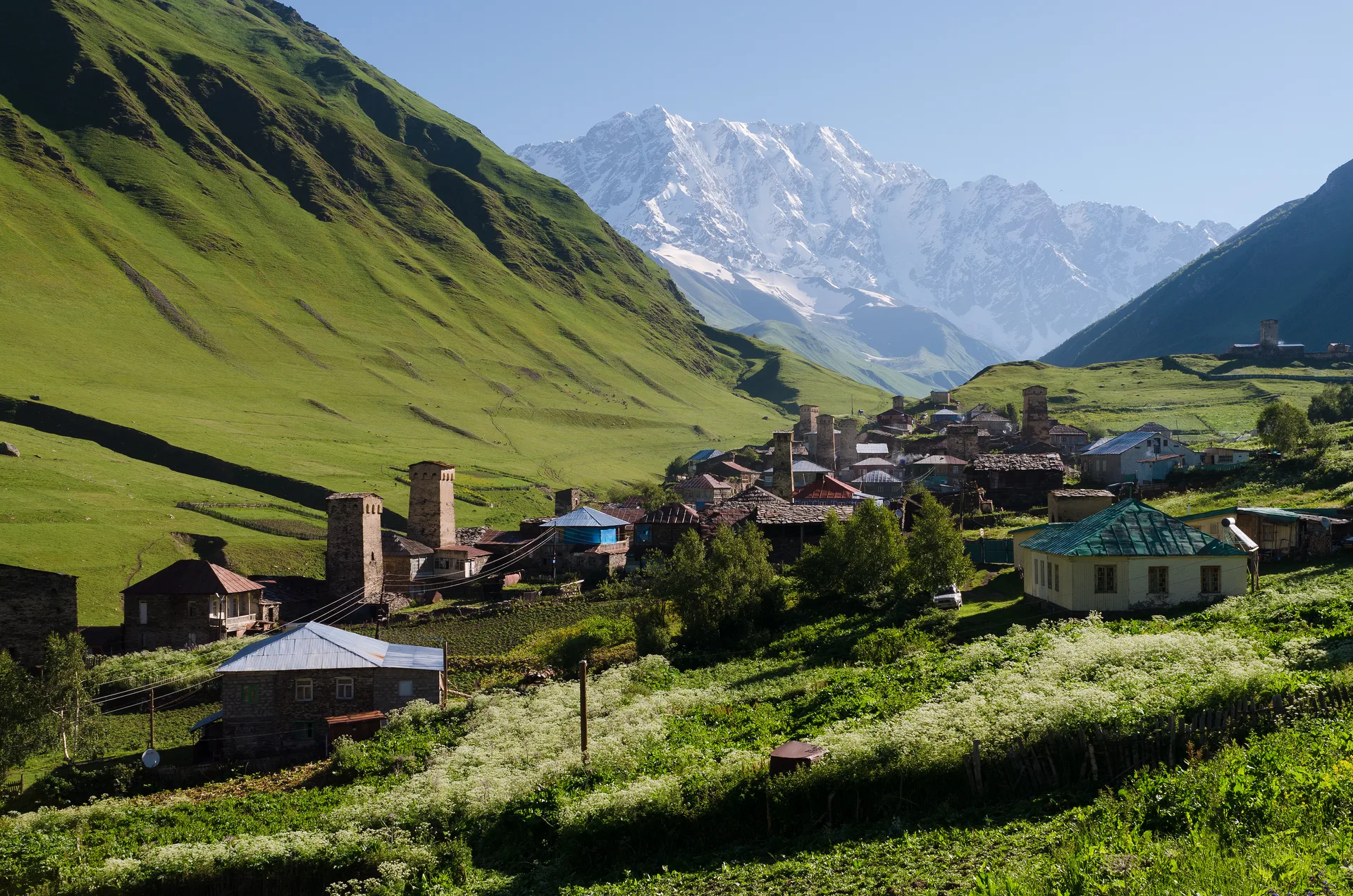
Ushguli is why people come to Svaneti. Five tiny hamlets — Zhibiani, Chvibiani, Chazhashi, Murqmeli, and Lamjurishi — huddled together at 2,100 meters under the massive wall of Mount Shkhara. It's Europe's highest permanently inhabited settlement, and it looks like something from a fantasy novel.
The towers here are older and more densely packed than in Mestia. Chazhashi alone has over 50 medieval towers. Cows wander the dirt paths between stone houses. The glacier on Shkhara glints in the background. In the right light, it's arguably the most beautiful place in the entire Caucasus.
Until recently, the road from Mestia to Ushguli was legendarily bad — a washed-out gravel track requiring a 4x4 and nerves of steel. As of 2024-2025, major road improvements (concrete sections) have significantly reduced the journey time. It still takes around 2-3 hours by car, but the drive is now much less harrowing.
How Long in Ushguli?
Most visitors do Ushguli as a day trip from Mestia, but that's a mistake. The drive eats up 4-5 hours round trip, leaving you just a couple of hours to rush through. Stay at least one night — ideally two — to hike to the Shkhara Glacier, explore the villages properly, and experience the silence after the day-trippers leave. Guesthouses are basic but charming, and dinner with a Svan family is unforgettable.
The Best Hikes in Svaneti
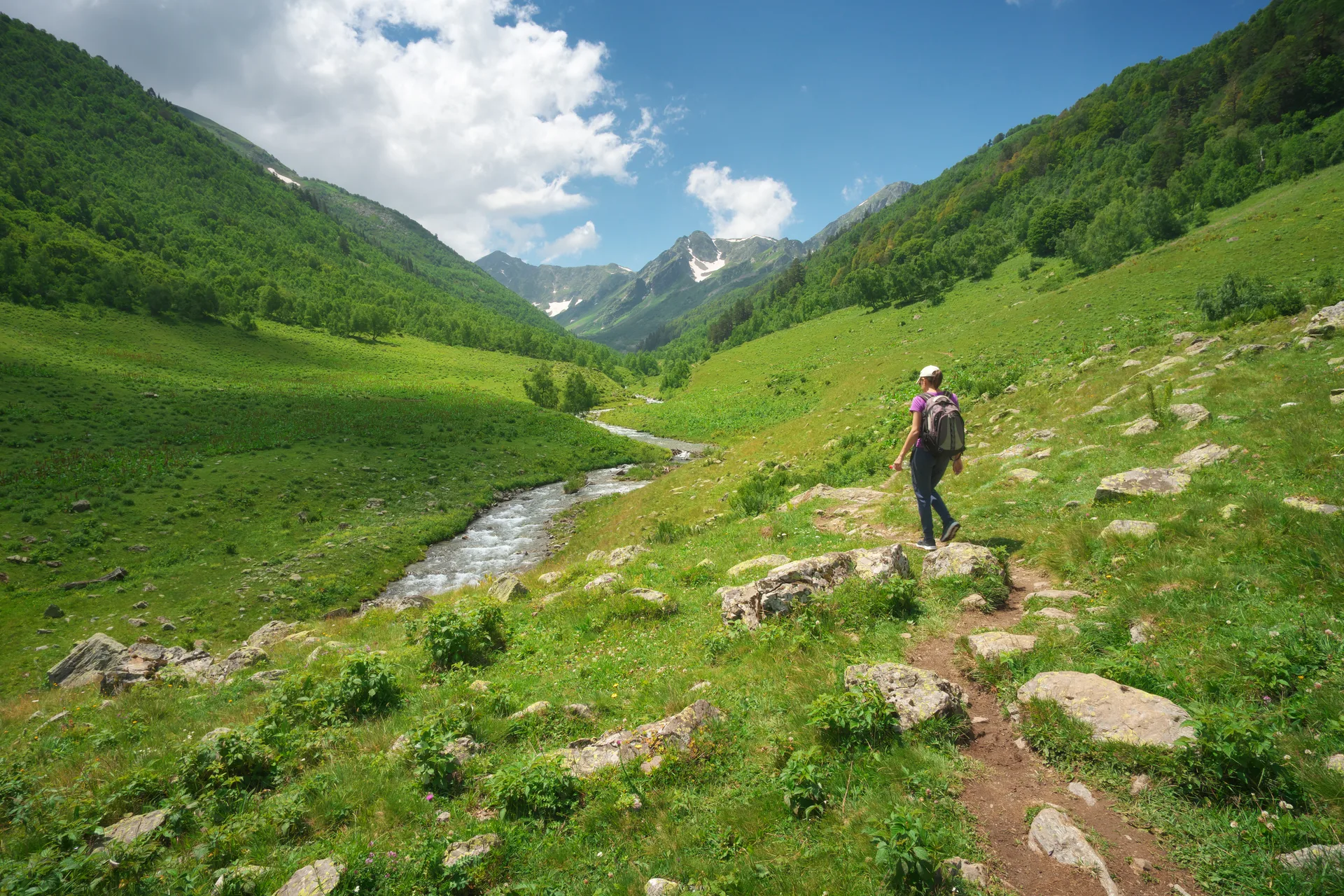
Svaneti is primarily a hiking destination, and the trails range from gentle half-day walks to multi-day treks. The terrain is dramatic but most popular trails are well-marked and don't require technical climbing skills. Here are the highlights:
| Hike | Duration | Difficulty | Highlights |
|---|---|---|---|
| Mestia to Ushguli Trek | 3-4 days | Moderate | The classic — 57km through villages, glaciers, and mountain passes |
| Koruldi Lakes | 6-8 hours | Moderate | Alpine lakes at the foot of Ushba with panoramic ridge views |
| Chaladi Glacier | 4-5 hours | Easy-Moderate | One of the most accessible glaciers in the Caucasus |
| Shkhara Glacier | 5-7 hours | Moderate | From Ushguli to the foot of Georgia's highest peak |
| Ushba Waterfall | 3-4 hours | Easy | Gentle walk from Mazeri to a glacial waterfall beneath Ushba |
| Tetnuldi Glacier | 6-8 hours | Moderate-Hard | Remote approach to one of the Caucasus's most impressive glaciers |
| Mount Gvari (Ushguli) | 2-3 hours | Easy | Quick climb to a church with a jaw-dropping Ushguli panorama |
The Mestia to Ushguli Trek (In Detail)
This is the headline hike in Georgia — a 57km point-to-point trek that takes 3-4 days and passes through some of the most spectacular scenery in the Caucasus. It's well-marked, doesn't require a guide (though you can hire one), and you can sleep in village guesthouses each night instead of camping.
Day 1: Mestia → Zhabeshi
~14km. Gentle start through forests and meadows. Pass through Mulakhi village. Guesthouses in Zhabeshi.
Day 2: Zhabeshi → Adishi
~12km. The most scenic day — Adishi Glacier viewpoints, wildflower meadows. The small village of Adishi has basic guesthouses.
Day 3: Adishi → Iprali
~16km. The hardest day — river crossing (can be knee-deep in summer), ascent over a high pass. Dramatic views throughout.
Day 4: Iprali → Ushguli
~15km. Final stretch through rolling highland meadows. Ushguli appears below — the payoff for four days of walking.
River Crossing on Day 3
The Adishi River crossing between Adishi and Iprali can be challenging. In June and early July, snowmelt makes the water high and cold — knee to thigh-deep. Bring waterproof bags for electronics, trekking poles for balance, and sandals or water shoes. By August, the water level drops significantly. A horse-ferry service sometimes operates at the crossing (5-10 GEL) but don't count on it.
Getting to Svaneti
Svaneti's remoteness is part of the appeal, but it also means getting there takes planning. Here are your options:
| Route | Duration | Cost | Notes |
|---|---|---|---|
| Tbilisi → Zugdidi (train) → Mestia (minivan) | ~9-10 hours total | 25-35 GEL | Most common route. Overnight train to Zugdidi, then 3-4hr minivan |
| Tbilisi → Mestia (marshrutka) | 8-10 hours | 30-40 GEL | Direct minivan from Tbilisi station. Long but avoids transfers |
| Tbilisi → Mestia (flight) | 1 hour | 65-85 GEL | Vanilla Sky airline, small prop plane. Incredible views but frequently cancelled due to weather |
| Kutaisi → Mestia (marshrutka) | 5-6 hours | 25-30 GEL | Good option if coming from western Georgia |
| Batumi → Mestia (via Zugdidi) | 7-8 hours | 25-35 GEL | Train to Zugdidi, switch to minivan. No direct service |
About Those Flights
The Tbilisi-Mestia flight is legendary — a tiny propeller plane threading between Caucasus peaks. The views are unforgettable. The reliability is not. Flights are cancelled frequently due to weather (fog, wind, clouds). Never plan your itinerary around the flight actually happening. Book it if available, but have a ground backup plan. The flight operates roughly June through October.
When to Visit Svaneti
Timing matters more here than almost anywhere else in Georgia. The season is short, and the wrong timing can mean closed roads, invisible mountains, or waist-deep river crossings.
| Month | Conditions | Verdict |
|---|---|---|
| June | Wildflowers blooming, snow on high passes, rivers high from melt | Beautiful but river crossings can be tricky |
| July | Peak season, warmest weather, all trails open, most tourists | Best all-around month for hiking |
| August | Warm, lower rivers, clear skies common, still busy | Excellent — easier river crossings than June/July |
| September | Autumn colors starting, fewer tourists, cooler nights | Great if you don't mind cool evenings. Shoulder season prices |
| October | Snow possible on high passes, many guesthouses closing | Risky — check conditions before going |
| Nov-May | Snow, closed roads, Ushguli often inaccessible | Winter skiing at Tetnuldi/Hatsvali only. No trekking |
Where to Stay
Forget hotels. Svaneti runs on guesthouses — family-run homes where you sleep in a simple room and eat homemade Svan food. This is actually one of the best parts of visiting. The food is incredible (kubdari, tashmijabi, chvishtari), the hosts are warm, and the cost is remarkably low.
Mestia Guesthouses
30-80 GEL per person with half-board (dinner + breakfast). Dozens of options on Booking.com. Book ahead in July-August. Hot showers and Wi-Fi are standard now.
Ushguli Guesthouses
30-60 GEL per person with meals. More basic than Mestia — don't expect reliable Wi-Fi. The food quality makes up for everything. Book by phone or just show up.
Trek Village Stops
Zhabeshi, Adishi, and Iprali all have basic guesthouses along the Mestia-Ushguli route. 25-50 GEL with meals. Quality varies — ask other hikers for recommendations.
Camping
Wild camping is allowed and common on the trails. Beautiful spots along the Mestia-Ushguli route. Bring a warm sleeping bag — nights get cold above 2,000m even in summer.
Svan Cuisine: What to Eat
Svan food is distinct from the rest of Georgian cuisine. The flavors are bolder, the dishes are heartier (you're at altitude and it's cold), and there are several dishes you won't find anywhere else in Georgia. Every guesthouse serves homemade Svan food, and it's consistently excellent.
| Dish | What It Is | Must-Try? |
|---|---|---|
| Kubdari | Meat-filled bread — spiced beef or pork in dough, baked until golden. Svaneti's signature dish | Absolutely essential |
| Tashmijabi | Mashed potato mixed with sulguni cheese — stretchy, rich, addictive | Yes — the ultimate comfort food |
| Chvishtari | Cornbread stuffed with cheese, pan-fried crispy | Yes — often served alongside meals |
| Svan Salt | A pungent spice blend (salt, garlic, herbs, blue fenugreek) used in everything | Buy some to take home — available in Mestia shops |
| Svan Khachapuri | Flatter than Imeretian, often with cottage cheese and herbs mixed in | Different from other regions — try the local version |
What It Costs
Svaneti is one of the cheapest mountain destinations in Europe. The main cost is getting there — once you're in the region, daily expenses are remarkably low, especially compared to the Alps or Dolomites.
Daily Budget (Per Person)
Bring Cash
Mestia has ATMs, but Ushguli and trail villages don't. Card payment is rare everywhere. Withdraw enough lari in Mestia for your entire Svaneti stay, plus a buffer. If you're doing the 4-day trek, calculate guesthouse costs (with meals) for each night plus a reserve.
Practical Tips for Svaneti
📱 Maps & Navigation
Download offline maps before you arrive. Maps.me has good Svaneti trail coverage. Google Maps works for roads but is weak on hiking trails. Mobile signal is patchy outside Mestia.
🥾 Gear Essentials
Waterproof jacket (rain can hit fast), layers for cold evenings, sturdy hiking boots with ankle support, trekking poles for river crossings, headlamp, and sun protection. Don't forget a reusable water bottle — mountain springs are everywhere.
🏥 Medical Readiness
Mestia has a small hospital, but serious injuries require evacuation to Zugdidi or Tbilisi. Carry a basic first-aid kit. Travel insurance with mountain rescue coverage is highly recommended — don't skip this.
🐕 Dogs on Trails
Shepherd dogs guard livestock in the mountains. They can be aggressive toward hikers who get too close to flocks. Give sheep and cattle a wide berth. If a dog approaches, stand still and don't run. They'll usually lose interest once you're past the flock.
🎿 Winter Skiing
Hatsvali and Tetnuldi ski resorts operate December through April. Powder is excellent, crowds are minimal, and lift passes are cheap (~25-35 GEL/day). The ski infrastructure is still developing — don't expect Chamonix.
🤝 Cultural Etiquette
Svans are hospitable but proud. If invited to drink, you drink (or explain very firmly why not). Ask permission before photographing people or entering churches. Dress modestly at religious sites. A few words of Georgian (gamarjoba, madloba) go a long way.
Understanding the Svan Towers
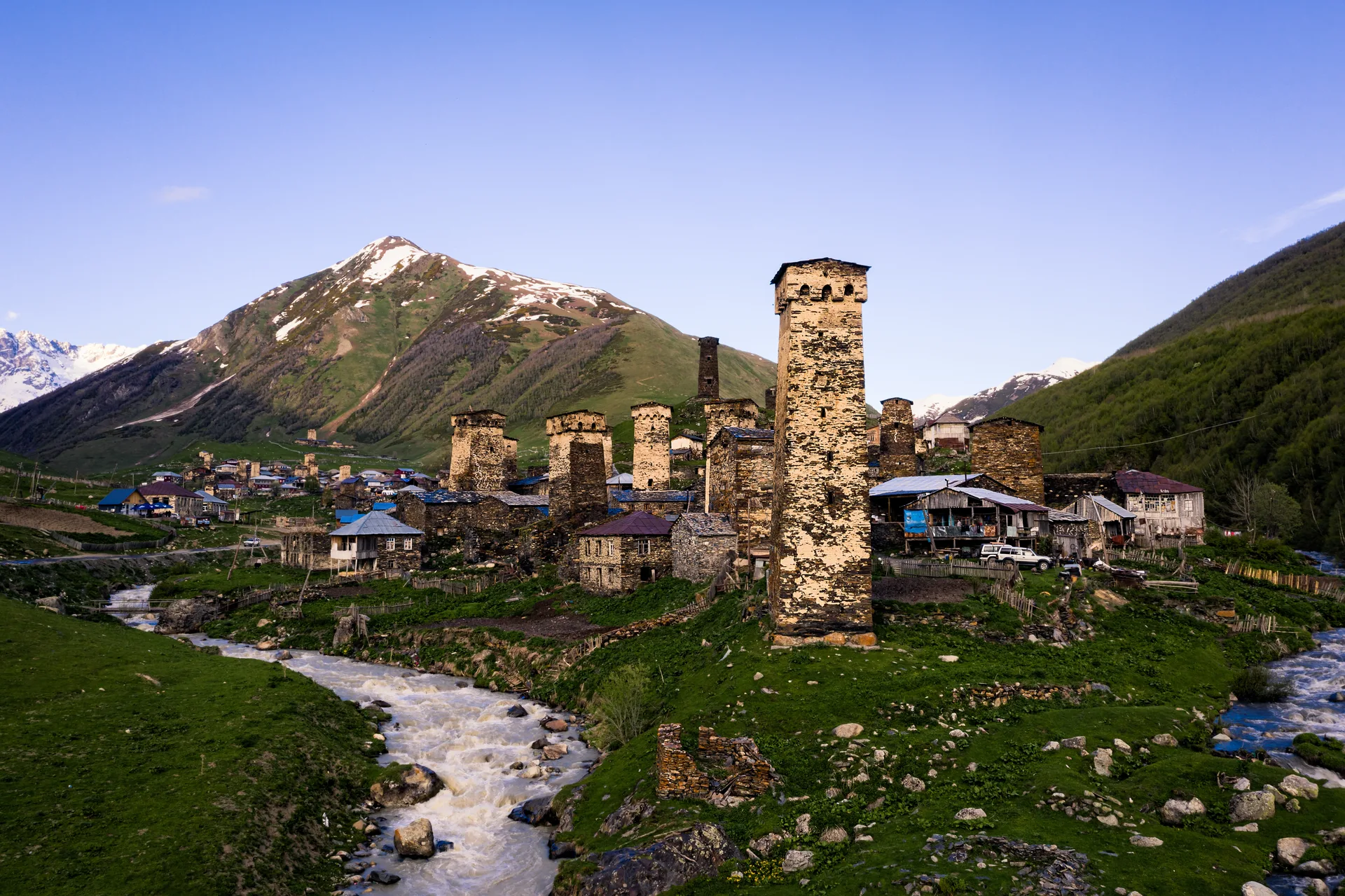
The medieval stone towers are Svaneti's most iconic feature. They're scattered across every village — Chazhashi in Ushguli alone has over 50. But what were they for?
Built between the 9th and 13th centuries, the towers served multiple purposes. They were defensive lookouts during invasions, signaling stations (fires on top could warn the entire valley), shelters during avalanches and floods, and symbols of family status. Each important family had its own tower. The height of the tower indicated wealth and influence.
The towers are typically 20-25 meters tall, built from local stone without mortar. Many are remarkably well-preserved — a testament to Svan engineering in extreme conditions. Several in Mestia and Ushguli have been restored and can be entered (usually for a small fee or as part of a guesthouse stay).
Suggested Itineraries
3 Days (Minimum)
Day 1: Arrive Mestia, settle in, explore town and museum. Day 2: Koruldi Lakes or Chaladi Glacier hike. Day 3: Day trip to Ushguli by car, return to Mestia.
5 Days (Recommended)
Day 1: Arrive Mestia, museum, town walk. Day 2: Koruldi Lakes hike. Day 3: Drive to Ushguli, explore villages. Day 4: Shkhara Glacier hike from Ushguli. Day 5: Return to Mestia via Chaladi Glacier stop.
7-8 Days (The Full Experience)
Days 1-2: Mestia hikes (Koruldi Lakes, Chaladi). Days 3-6: Mestia to Ushguli trek (4 days). Day 7: Shkhara Glacier from Ushguli. Day 8: Return to Mestia or onward travel.
Winter (3-4 Days)
Day 1: Arrive Mestia. Days 2-3: Skiing at Tetnuldi and/or Hatsvali. Day 4: Museum, town exploration, depart. Ushguli is usually inaccessible in winter.
Common Mistakes to Avoid
| Mistake | Why It's a Problem |
|---|---|
| Only doing a day trip to Ushguli | You spend 5 hours in a car for 2 hours in the village. Stay overnight at minimum. |
| Relying on the flight | Cancellation rate is high. Always have a ground transport backup. |
| Not bringing enough cash | No ATMs beyond Mestia. Cards rarely accepted. Bring enough for your whole stay. |
| Underestimating weather changes | Clear morning can become a rainstorm by noon. Always pack rain gear and layers. |
| Going too early in the season | May and early June have snow on passes and high rivers. Mid-June to September is best. |
| Skipping travel insurance | Mountain rescue in remote areas is expensive. Get coverage that includes altitude hiking. |
Beyond Hiking: Other Things to Do
While hiking dominates Svaneti, there's more to the region if you have extra time or aren't a hard-core trekker:
- Svaneti Museum of History and Ethnography (Mestia) — Genuinely world-class collection of medieval icons, gold jewelry, and manuscripts hidden in towers for centuries. Don't skip this.
- Tower visits — Several restored towers in Mestia and Ushguli are open to visitors. Climbing the narrow interior stairs gives you a feel for medieval Svan life.
- Svan Salt workshop — Some families in Mestia demonstrate the traditional process of making Svan salt. Ask your guesthouse host to arrange a visit.
- Mountain biking — Trails around Mestia are increasingly popular for biking. Rental bikes are available in town (quality varies).
- Horse riding — Several operators in Mestia and Ushguli offer horseback riding through the valleys. A different perspective on the landscape.
- Paragliding — Available in Mestia during summer. Tandem flights with stunning Caucasus backdrops.
Frequently Asked Questions
Is Svaneti safe to visit?
Yes, absolutely. The old reputation for lawlessness is decades out of date. Svaneti is safe for tourists, including solo travelers. The main risks are road conditions and weather, not people.
How do I get to Mestia?
A marshrutka from Tbilisi to Mestia takes about 8-9 hours (via Zugdidi). Flights from Tbilisi to Mestia operate seasonally but are weather-dependent and frequently cancelled. Many visitors hire a private driver.
When is the best time to visit Svaneti?
July through September for hiking and the best weather. June can be snowy at high altitudes. The Mestia-Ushguli road is passable from roughly June to October. Winter is for skiing at Hatsvali and Tetnuldi.
Can I hike from Mestia to Ushguli independently?
Yes, the 4-day trek is well-marked and doesn't require a guide, though one is recommended. You need basic hiking fitness, proper gear, and should check trail conditions locally. Guesthouses along the route provide meals and beds.
Is the road to Ushguli paved?
Partially. As of 2026, most of the road from Mestia to Ushguli has been improved, but the last section can still be rough. A regular car can make it in dry conditions, but a 4x4 is safer, especially after rain.
Written by The Georgian Guide Team
We've trekked the Mestia-Ushguli route, survived the river crossing, eaten our weight in kubdari, and kept going back. Svaneti is our favorite corner of a country we know well.
Last updated: February 2026.
Related Articles
10 Best Day Trips from Tbilisi
The best destinations within a few hours of the capital.
Getting Around Georgia
Trains, marshrutkas, taxis, and flights — how to navigate the country.
Best Time to Visit Georgia
Month-by-month breakdown of weather, festivals, and crowds.
Georgian Military Highway Guide
Georgia's other legendary mountain road — Tbilisi to Kazbegi.