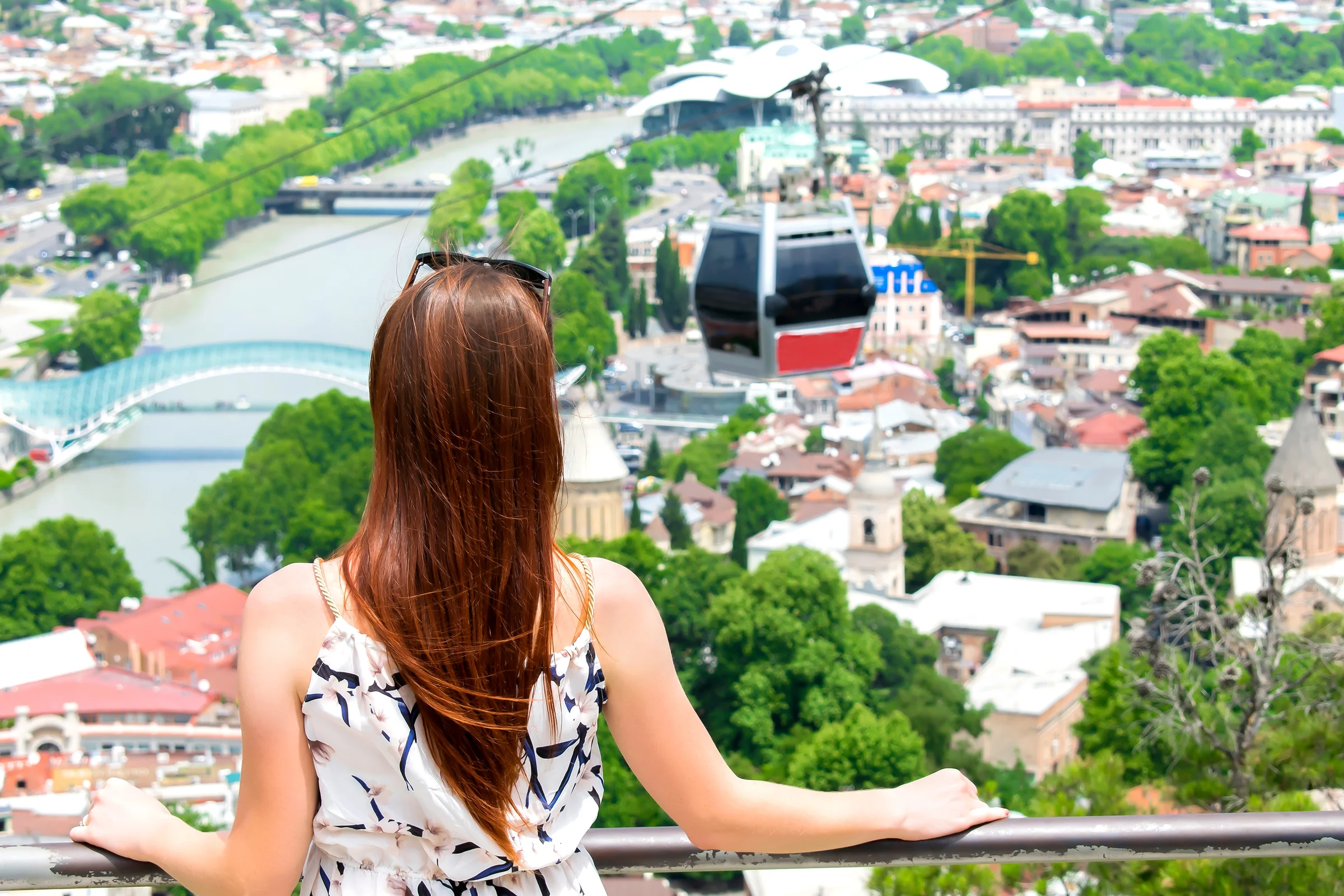
Every packing list for Georgia you'll find online is either a generic affiliate link dump or written by someone who spent a week in Tbilisi during summer. Georgia's climate is wildly variable — you can sweat through your shirt at sea level in Batumi and need a down jacket in Kazbegi on the same day. Here's what you actually need to pack, broken down by season and activity, from people who deal with Georgian weather year-round.
The Golden Rules of Packing for Georgia
Before we get into specifics: Georgia is not a place where you need special gear or unusual clothing. It's a modern country with normal shops. If you forget something, you can buy it in Tbilisi for cheap. The real challenge isn't finding the right brand of hiking pole — it's packing for a country where you might visit a 38°C lowland city, a 4°C mountain pass, and a conservative monastery all in the same week.
One more thing: if you're flying WizzAir or a similar budget airline into Kutaisi or Tbilisi, you're probably working with carry-on only. That's fine. You can absolutely do Georgia with a 40L backpack. In fact, you should — hauling a massive suitcase through Tbilisi's Old Town or onto a marshrutka is genuinely miserable.
Clothing Essentials (All Seasons)
These items belong in your bag regardless of when you're visiting.
| Item | Why | Notes |
|---|---|---|
| Comfortable walking shoes | Tbilisi is built on hills. Cobblestones, broken sidewalks, stairs everywhere. | Sturdy sneakers or trail shoes. Leave the flip-flops for the hotel. |
| Light jacket or fleece | Evenings cool down fast, even in summer. Air conditioning is aggressive indoors. | A packable layer you can throw in a daypack. |
| Rain jacket | Georgia gets random downpours year-round. They're short but intense. | Lightweight and packable. Umbrellas are fine for cities. |
| Scarf or shawl | Needed for churches (women must cover hair). Also useful as a blanket on cold marshrutkas. | A large, thin scarf does triple duty: church cover, sun shade, and warmth layer. |
| Long pants or skirt | Required for churches and monasteries. Knees must be covered. | Lightweight linen or cotton works for summer. Bring at least one pair. |
| Sunglasses | Georgian sun is strong, especially at altitude and near the coast. | UV-rated. Cheap ones available at any pharmacy. |
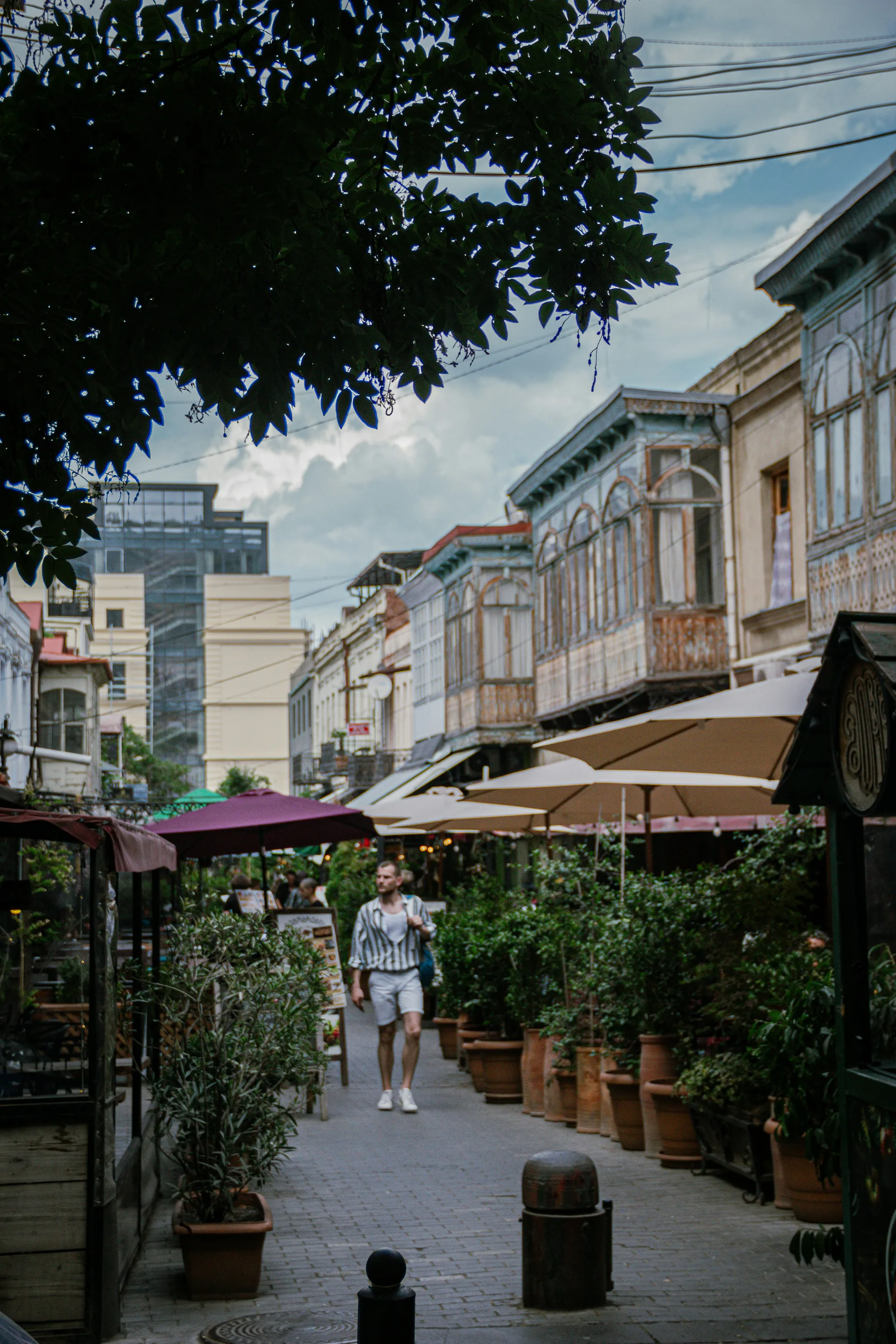
The Shoe Rule
Your shoes are the single most important packing decision for Georgia. Tbilisi's Old Town has uneven cobblestones, sudden staircases, and crumbling sidewalks. If you're doing any mountain towns (Kazbegi, Mestia, Sighnaghi), the terrain gets rougher. Comfortable, supportive shoes with good grip. That's it. That's the rule.
What to Add by Season
Georgia has four distinct seasons, and they hit differently depending on where you are. Tbilisi in July is a furnace. Kazbegi in July is a cool breeze. Here's what to add to your base packing list.
| Season | Tbilisi Weather | Add to Your Bag |
|---|---|---|
| Summer (Jun–Aug) | 32–40°C, humid, occasional thunderstorms | Sunscreen (SPF 50), hat, breathable clothes, refillable water bottle, mosquito repellent |
| Autumn (Sep–Nov) | 15–28°C (Sep) dropping to 5–15°C (Nov) | Warm mid-layer, closed-toe shoes, light scarf. October is unpredictable — pack for both warm and cold days. |
| Winter (Dec–Feb) | -2 to 8°C, wet, occasional snow | Proper winter coat, thermal base layer, warm hat and gloves, waterproof boots, umbrella |
| Spring (Mar–May) | 10–25°C, rainy, wildly inconsistent | Rain jacket (essential), layers for 15°C swings, light waterproof shoes. March is still winter. May is summer. |
The Altitude Factor
Even in peak summer, mountain areas like Kazbegi (1,740m), Mestia (1,500m), and Tusheti (1,800m+) can drop to 10°C at night. If your itinerary includes any mountain destinations, pack a warm layer regardless of season. The rule of thumb: subtract 6°C for every 1,000 meters of elevation compared to Tbilisi.
Church & Monastery Dress Code
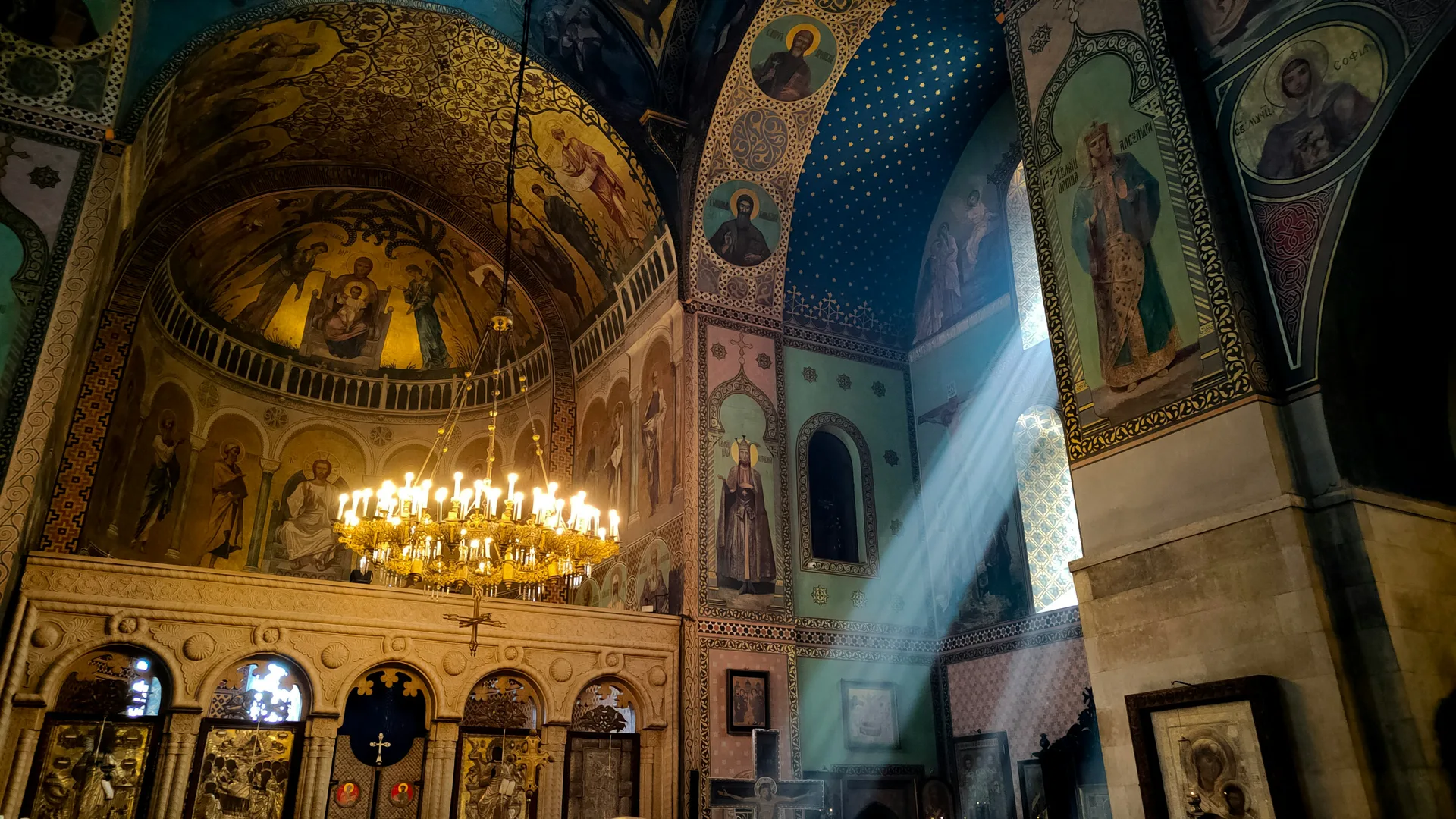
This is the thing that catches most visitors off guard. Georgia is deeply Orthodox Christian, and churches and monasteries enforce dress codes — some more strictly than others. You don't need to dress formally, but you do need to cover up.
👩 Women
Head covering required (scarf or hat). Shoulders and knees covered. Many churches provide wraparound skirts and scarves at the entrance — but not all, and the quality is... variable. Bring your own scarf to be safe.
👨 Men
Long pants required. No shorts, no exceptions. Hats off inside. Shoulders should be covered (no tank tops). The enforcement is less strict for men, but it's still expected and respectful.
Which Churches Enforce It?
Major sites like Svetitskhoveli (Mtskheta), Bodbe Monastery (Sighnaghi), and Gergeti Trinity (Kazbegi) enforce strictly — guards will stop you. Tbilisi city churches are generally more relaxed but still expect modesty. Rule: if you're visiting any church or monastery, have long pants and a head covering accessible.
Hiking & Outdoor Gear
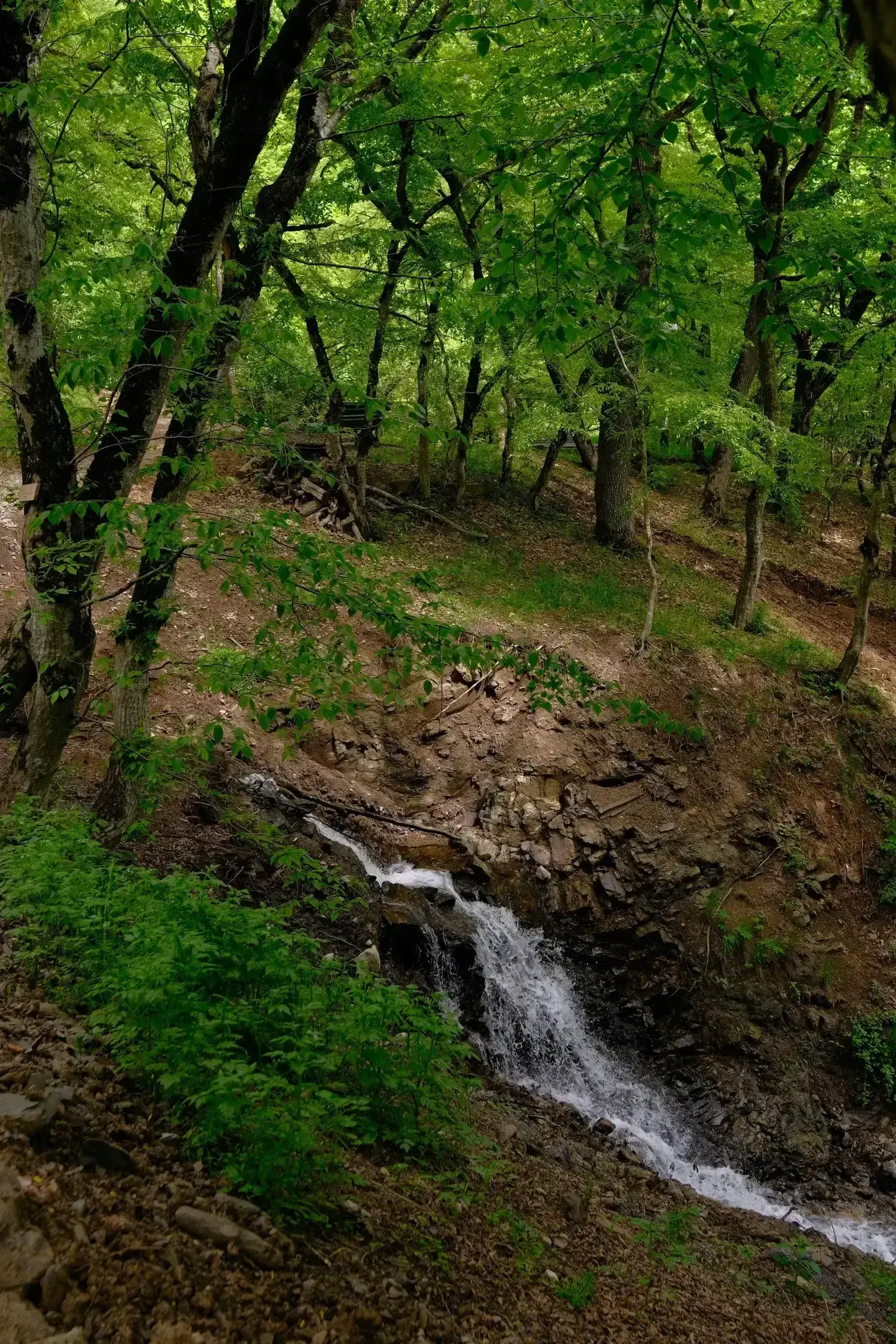
Georgia is one of the best hiking destinations in the Caucasus — maybe in Europe. But you don't need to bring a full expedition kit unless you're doing serious multi-day treks. Here's what you need based on what you're planning.
| Activity Level | What You Need | What You Don't |
|---|---|---|
| City walks + easy day hikes | Trail sneakers, daypack, water bottle, sunscreen | Hiking boots, trekking poles, rain pants |
| Day hikes (Kazbegi, Juta, Mestia) | Ankle-supporting hiking shoes, rain jacket, warm layer, 20–30L daypack, first aid kit | Crampons, ice axe, tent, sleeping bag |
| Multi-day treks (Mestia–Ushguli, Tusheti) | Waterproof hiking boots, trekking poles, 40–50L pack, sleeping bag, headlamp, water purification | Most people hire local guides who provide tents and cooking gear. Ask before buying. |
Buy or Rent in Tbilisi?
Tbilisi has a few outdoor shops (Alpinist on Rustaveli Ave, Decathlon in East Point mall) where you can buy decent gear. For serious hiking equipment, bring your own — the selection here is limited and prices aren't much cheaper than Europe. For poles and basic kit, you can rent from guesthouses in Mestia and Kazbegi.
Tech & Gadgets
| Item | Need It? | Notes |
|---|---|---|
| Power adapter | Maybe | Georgia uses Type C and Type F plugs (same as mainland Europe). If you're from the US/UK/Australia, bring an adapter. |
| Power bank | Yes | Essential for mountain trips. Power cuts happen occasionally in rural areas. 10,000mAh minimum. |
| Headlamp or flashlight | If hiking | Trails aren't lit. Some guesthouses in mountain villages have limited lighting. Your phone torch drains battery fast. |
| Offline maps | Yes | Download Google Maps and Maps.me offline for Georgia before you arrive. Mobile signal disappears in mountain areas. |
| SIM card tool | Bring one | You'll buy a Georgian SIM at the airport (Magticom or Cellfie, ~10 GEL for data). Need the pin tool to swap. |
The SIM Card Move
Buy a Magti SIM at Tbilisi airport if you want the cheapest strong local option. If you would rather land with data already working, use a Georgia eSIM before takeoff. Physical SIM is usually better value; eSIM is better for convenience.
Toiletries & Health
Georgia has pharmacies (აფთიაქი) on almost every block in Tbilisi — you can buy most medications over the counter without a prescription. That said, here's what's worth bringing from home.
🧴 Bring From Home
Sunscreen (SPF 50 — Georgian brands are limited), your preferred medications, contact lens solution (specific brands harder to find), insect repellent with DEET (for summer/rural areas), any prescription medications with the original box.
🏥 Buy in Georgia
Basic painkillers (ibuprofen, paracetamol — very cheap), band-aids, stomach remedies, hand sanitizer, basic toiletries. Georgian pharmacies stock most European brands and pharmacists often speak some English.
| Health Item | When You Need It |
|---|---|
| Stomach medication | Georgian food is rich — lots of cheese, butter, oil. Your stomach may need time to adjust. Bring something for the first few days. |
| Antihistamines | Spring allergies are real. Tbilisi is full of trees and pollen from March through May. |
| Mosquito repellent | Summer evenings, especially near the Kura River and in Batumi. Not malaria-level — just annoying. |
| Sunscreen SPF 50 | Year-round if hiking at altitude. Summer in Tbilisi too. Georgian sun burns fast. |
| Rehydration salts | Summer heat plus wine plus chacha equals dehydration. A few sachets weigh nothing and save mornings. |
Documents & Money
| Item | Details |
|---|---|
| Passport | Must be valid for at least 6 months beyond your stay. 95+ nationalities get 1 year visa-free. |
| Passport copies | Digital (phone/cloud) and one paper copy. Hotels sometimes need your passport number for registration. |
| Travel insurance | Not required but strongly recommended. Georgian healthcare is cheap but quality varies. Mountain rescue is expensive. |
| Debit/credit cards | Visa and Mastercard work everywhere in cities. Bring 2 cards from different banks. Amex is rare. |
| Cash (USD or EUR) | Bring $100–200 as backup. Exchange offices in Tbilisi give excellent rates. Don't exchange at the airport. |
| Driver's license | If renting a car. An International Driving Permit isn't legally required but some rental companies ask for one. |
The Wise Card Trick
If you don't already have one, get a Wise (formerly TransferWise) multi-currency card before your trip. It gives you the real exchange rate with minimal fees. Load it with GEL before you arrive, or just use it at ATMs. It's the single best way to avoid being overcharged on currency conversion in Georgia.
Bags & Luggage
🎒 Main Bag
A 35–45L backpack is ideal for most trips. Carry-on sized if you're flying budget airlines. Wheeled suitcases are fine for Tbilisi hotels but impractical for mountain towns, cobblestones, and marshrutka travel. If in doubt, go backpack.
🏔️ Daypack
A packable 15–20L daypack for sightseeing, day hikes, and market visits. This is non-negotiable — you'll use it every single day. Make sure it's comfortable enough for a 4-hour hike if you're heading to the mountains.
What NOT to Pack
Just as important as what to bring is what to leave at home. These are the things people consistently overpack for Georgia.
❌ Formal clothes
Georgia is casual. Even nice restaurants in Tbilisi don't enforce dress codes. Smart casual is the maximum you'd ever need, and even that's pushing it. Leave the blazer.
❌ Expensive jewelry
Georgia is safe, but flashy jewelry draws unnecessary attention. It's also impractical for outdoor activities. Leave anything you'd be upset to lose.
❌ Too many clothes
Laundry is cheap and fast. Most hotels and guesthouses offer laundry service for a few Lari. Tbilisi has self-service laundromats too. Pack for 4–5 days and wash.
❌ Full camping gear
Unless you're specifically doing wild camping, you don't need a tent, stove, or sleeping mat. Guesthouses along all major trekking routes are cheap (30–60 GEL with dinner). Guides provide camping equipment on organized treks.
❌ Huge toiletry bag
Pharmacies and supermarkets are everywhere. You can buy shampoo, deodorant, razors, and most personal care items cheaply. Bring the essentials; replenish locally.
❌ Travel towel
Every hotel and guesthouse provides towels. The only exception: if you're planning to visit sulfur baths (Abanotubani) and want your own towel for hygiene reasons.
Packing by Trip Type
Your packing list should match your itinerary, not a generic checklist. Here's what to prioritize based on what kind of Georgia trip you're taking.
🏙️ City Trip (Tbilisi + Day Trips)
🏔️ Mountains & Trekking
🍷 Wine & Culture Tour
🏖️ Beach Trip (Batumi & Coast)
The Complete Checklist
Print this or screenshot it. Organized by category, covering a standard 1–2 week trip that mixes city time with some mountain or countryside excursions.
| Category | Items |
|---|---|
| Clothing | 3–4 t-shirts/tops, 2 pairs pants (1 long for churches), 1 warm layer (fleece/sweater), rain jacket, underwear for 5 days, socks for 5 days, scarf/shawl, hat or cap, 1 nicer outfit (optional) |
| Footwear | Comfortable walking shoes (mandatory), sandals or slides (for hotels/restaurants), hiking boots (if trekking) |
| Tech | Phone + charger, power bank (10,000mAh+), EU power adapter (Type C/F), SIM card tool, headphones, camera (optional) |
| Toiletries | Sunscreen SPF 50, mosquito repellent (summer), prescription meds in original packaging, basic first aid kit, contact lens supplies |
| Documents | Passport (6+ months validity), passport copy (digital + paper), travel insurance docs, 2 debit/credit cards, $100–200 USD/EUR cash, driver's license (if renting) |
| Bags | Main backpack/suitcase (35–45L ideal), packable daypack (15–20L), dry bag or ziplock bags (for rain/wet swimwear) |
| Nice to Have | Reusable water bottle, eye mask + ear plugs (guesthouses can be noisy), small padlock, laundry bag, ziplock bags, pen (for customs forms) |
Common Mistakes
Packing for one climate
Georgia has subtropical coasts, continental valleys, and alpine mountains. A Tbilisi-only wardrobe will leave you freezing in Kazbegi. Always pack one warm layer, even in summer.
Forgetting church coverage
You'll visit at least one church. Having to skip Jvari Monastery because you're in shorts is a trip-ruining mistake. Pack one pair of long pants and a scarf. Problem solved.
Bringing a huge suitcase
Marshrutkas have limited luggage space. Tbilisi elevators are tiny. Mountain guesthouse stairs are narrow. Your rolling suitcase will become your enemy. A backpack is the move.
No rain protection
Georgia gets surprise rain year-round. It's usually short but heavy. A packable rain jacket weighs almost nothing and saves your day. Don't gamble on clear skies.
Overpacking toiletries
Tbilisi has European-brand pharmacies everywhere. You can buy shampoo, sunscreen, razors, and most personal care items within walking distance of any hotel. Pack light, buy local.
Only bringing cards
Cards work in cities but fail in villages, markets, and some taxis. Always carry some cash. ATMs in mountain towns can run out of money or be offline. Don't get caught out.
Frequently Asked Questions
Do I need to dress conservatively in Georgia?
In cities, no. Tbilisi is modern and people wear whatever they want — shorts, tank tops, summer dresses, all fine. The only strict dress codes are at churches and monasteries (knees and shoulders covered, women cover hair). Outside of religious sites, Georgia is relaxed about clothing.
What's the weather really like in summer?
Tbilisi in July-August is genuinely hot — 35–40°C is normal, sometimes higher. It's dry heat but relentless. The coast (Batumi) is hot and humid. Mountains are 15–25°C during the day, dropping to 5–10°C at night. The temperature difference between Tbilisi and Kazbegi in the same week can be 25°C+.
Can I buy everything I need in Tbilisi?
Almost everything. Tbilisi has malls (East Point, Galleria), European pharmacies, outdoor shops, and supermarkets. Prices are generally cheaper than Western Europe. The main things hard to find: specific prescription medications, your preferred sunscreen brand, and high-end hiking gear. If it's critical, bring it.
What type of power plugs does Georgia use?
Type C and Type F — the standard European two-pin round plugs. If you're from mainland Europe, you don't need an adapter. US, UK, and Australian travelers need one. The voltage is 220V/50Hz. Most modern phone chargers and laptop chargers are dual-voltage, but check before plugging in hair tools.
Should I bring gifts for guesthouse hosts?
It's not expected but deeply appreciated, especially in mountain villages. Small gifts from your home country work well — chocolates, local coffee, small souvenirs. If you're staying with a family, bringing something for the kids is a nice touch. Cash tips are also appreciated (10–20 GEL per night is generous).
Written by The Georgian Guide Team
We've packed and repacked for Georgia across all four seasons, from summer city breaks to winter mountain treks. This guide reflects years of actual experience — what we wish someone had told us before our first trip.
Last updated: February 2026.
Related Articles
Best Time to Visit Georgia
Month-by-month breakdown of what each season actually feels like.
Money, ATMs & Tipping
Fee-free ATMs, exchange tips, and how tipping actually works here.
Getting Around Georgia
Metro, marshrutkas, trains, Bolt — the complete transport guide.
Best Hikes in Georgia
From easy day walks to epic multi-day treks in the Caucasus.