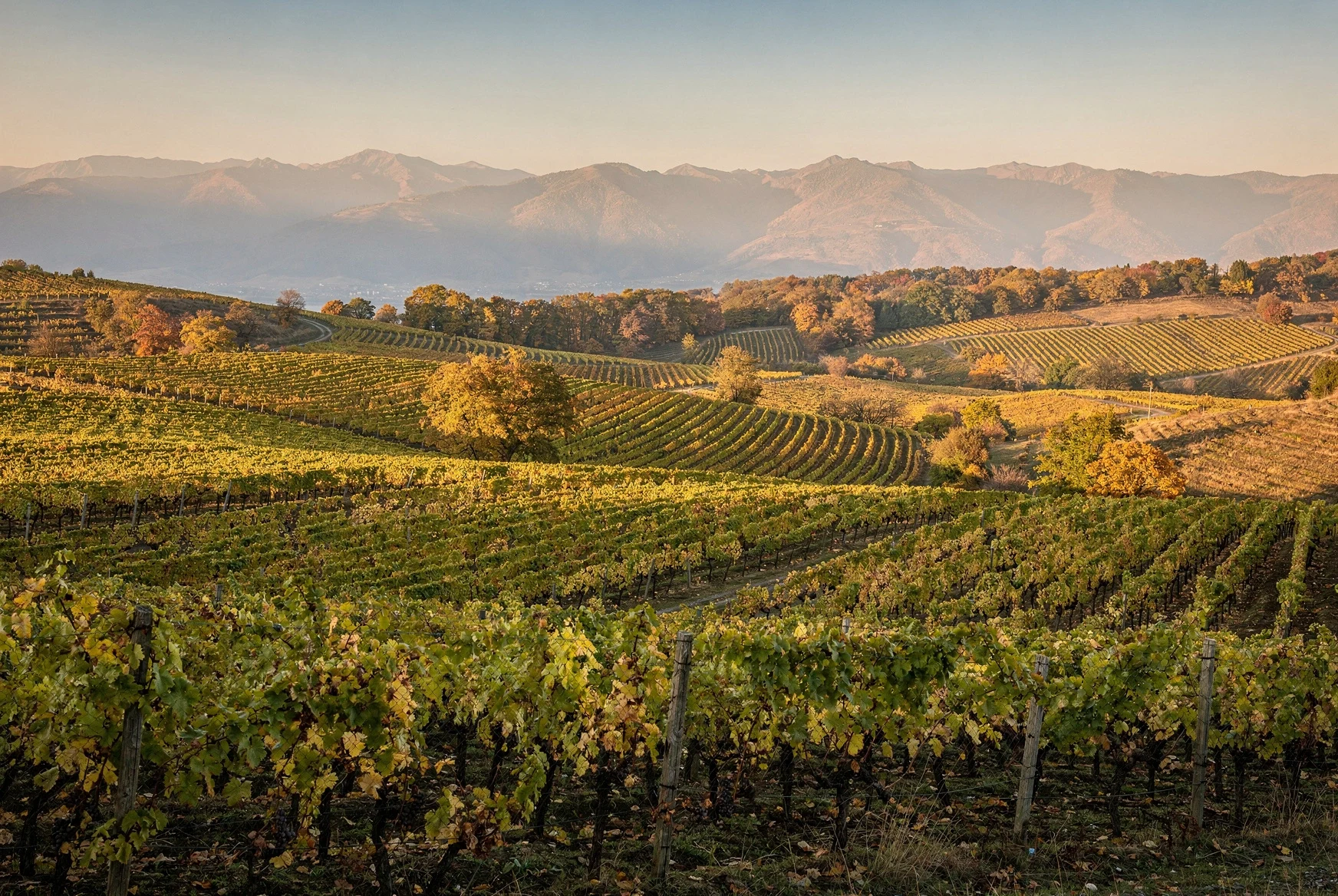
Most visitors learn two facts about Georgian wine in the first ten minutes. One: Georgia claims 8,000 years of winemaking. Two: Kakheti is the big wine region. Both are true. Neither is enough.
Georgia does not have one wine culture. It has several, and they do not all taste the same, feel the same, or reward the same kind of trip. Kakheti is broad, confident, and easy to sell. Imereti is quieter and often more elegant. Kartli makes a lot more sense than people realize if you do not want to spend half your holiday in a car. Racha is small, scenic, and full of bottles people talk about with a slightly smug "if you know, you know" tone.
This guide is for travelers who want the useful version: which region to start with, what styles actually differ, what grapes matter, where to base yourself, and when to stop pretending you are doing a grand wine expedition and just book the region that fits your trip.
How to think about Georgia's wine regions
If you come from a classic wine-country mindset, you may expect Georgia to work like France or Italy: appellations, polished tasting rooms, orderly signposting, and a generally agreed hierarchy. Georgia is not that tidy. There are appellations, protected names, and serious producers, but there is also homemade wine everywhere, wildly different quality from one cellar to the next, and a hospitality culture that can blur the line between "tasting" and "you now live here, have another plate of pork."
That is why region matters so much. Not because travelers need to memorize maps to enjoy themselves, but because the region tells you what kind of trip you are signing up for. Big valley and bold reds? Kakheti. A more restrained western style and better pairing with a Kutaisi trip? Imereti. A civilized day or overnight from Tbilisi? Kartli. Mountain scenery and rarer bottles? Racha.
Wine region vs. wine culture
If you want the bigger picture first — qvevri, amber wine, supras, and why wine matters so much here — read our Georgian wine culture guide. This page is the practical map for where those ideas show up on the ground.
| Region | Best Known For | Best Base | Best For |
|---|---|---|---|
| Kakheti | Qvevri tradition, Saperavi, Rkatsiteli, Rtveli | Telavi or Sighnaghi | First-time wine trips |
| Kartli | Chinuri, sparkling wine, short escapes from Tbilisi | Tbilisi or Mukhrani area | Easy day trips |
| Imereti | Lighter qvevri styles, Tsolikouri, Tsitska, Krakhuna | Kutaisi | Less touristy tasting |
| Racha-Lechkhumi | Khvanchkara, Aleksandrouli, mountain scenery | Ambrolauri | Detours and rarer bottles |
Kakheti: the obvious region, for good reason
Kakheti is the region most travelers mean when they say they want to go wine tasting in Georgia. It produces the majority of the country's wine, has the deepest visitor infrastructure, and gives you the most direct route into the country's big themes: qvevri, amber wine, Saperavi, harvest culture, family cellars, and long lunches that turn into serious logistical errors.
It is also the easiest wine trip to explain. Stay in Telavi if you want a practical base and good access to wineries across the valley. Stay in Sighnaghi if you want the prettier hilltop town with stronger romantic-weekend energy. Either works. Telavi is a little more useful. Sighnaghi is a little more photogenic. That is the real trade-off.
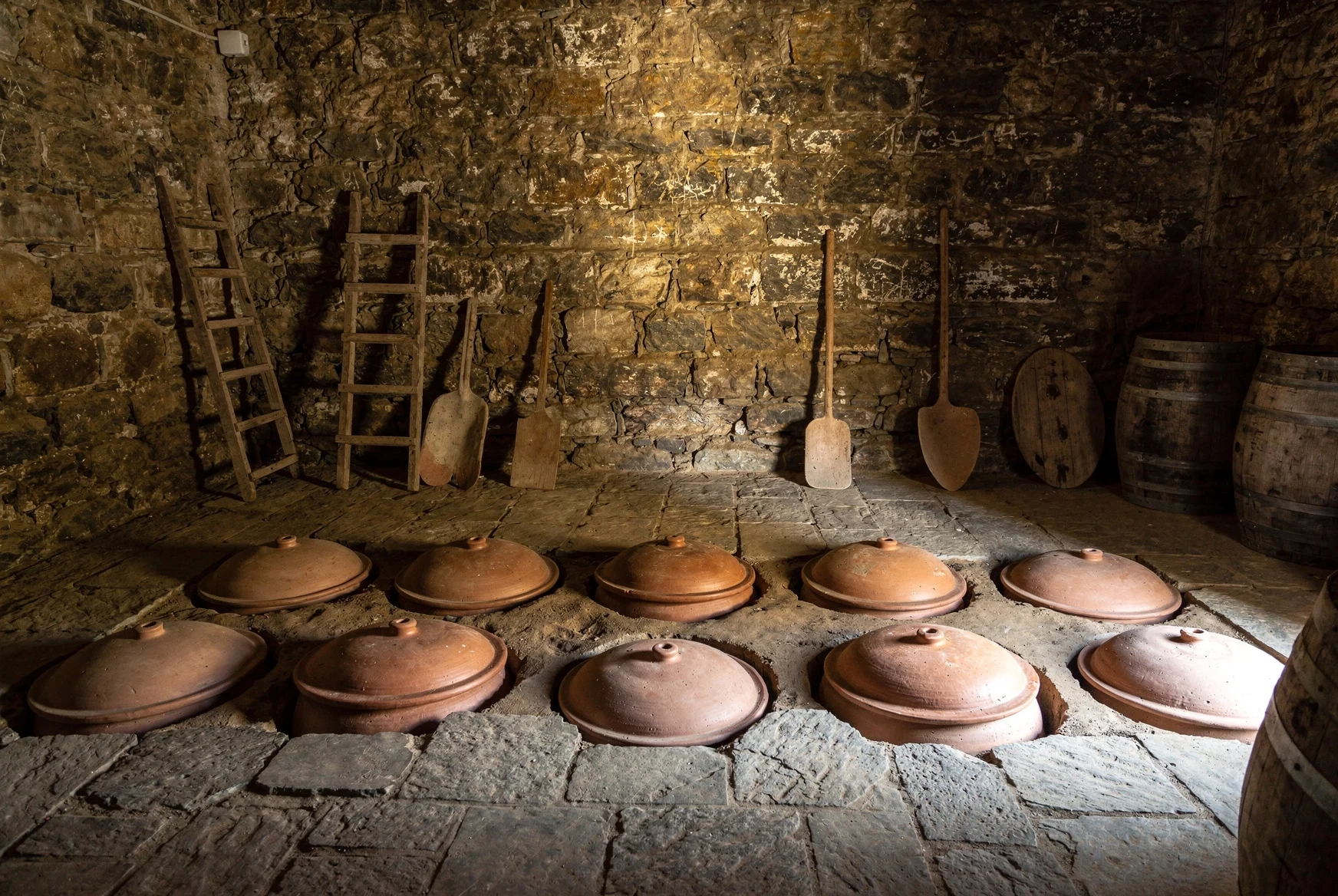
Kakhetian wines are often the fullest and most assertive. This is where travelers meet the classic version of qvevri amber wine: structured, tannic, savory, and not especially interested in being easy. This is also the homeland of Saperavi, the country's flagship red grape, which can be lush, dark, and beautifully serious when done well.
What to drink in Kakheti
Saperavi, Rkatsiteli, Kisi, Mtsvane, Mukuzani, Tsinandali, and plenty of amber qvevri wines that do not care whether you are ready.
Best for
First-time visitors, harvest trips, winery-hopping, qvevri tasting, and anyone who wants the biggest possible sample of Georgian wine culture in one region.
The downside is that Kakheti is also the most "packaged" wine region for tourism. That does not make it fake, but it does mean you will find everything from sublime family producers to slightly cheesy bus-tour experiences. Choose carefully. If you want winery recommendations rather than just regional orientation, start with our guide to the best wineries in Georgia and then filter for the part of Kakheti you are actually using.
Best time to visit Kakheti
September and October are the obvious stars because of Rtveli, but spring is calmer and often more pleasant. Summer works, but Kakheti heat can be vicious. If you do not enjoy sweating through your shirt before the first tasting, aim for shoulder season.
Kartli: the smart choice for a shorter wine trip
Kartli rarely gets the same breathless treatment as Kakheti, which is exactly why it is such a good option. It sits much closer to Tbilisi, which means you can do a serious wine day without committing to a full cross-country detour. If your trip is short, or wine is one part of the plan rather than the whole plan, Kartli is often the adult choice.
The region is especially associated with Chinuri and Goruli Mtsvane, plus a history of sparkling production that travelers often overlook. The style here can feel cleaner, brighter, and more mineral than the bigger Kakhetian profile. Not boring. Just less interested in smashing you over the head with heritage.
What to drink in Kartli
Chinuri, Goruli Mtsvane, cleaner European-style whites, and sparkling wines that deserve more attention than they usually get.
Best for
Travelers based in Tbilisi, shorter itineraries, people who like precision more than theater, and anyone not trying to turn every tasting day into a dawn-to-midnight expedition.
Kartli also pairs well with broader cultural or historical travel because you are not far from Mtskheta, Uplistsikhe, Gori, and other easy day-trip terrain. That makes it ideal for travelers who want wine integrated into a mixed Georgia itinerary rather than isolated into a wine-country bubble.
Imereti: gentler wines, softer edges, better if you hate overhype
Imereti, the western region around Kutaisi, offers one of the best wine detours in Georgia for travelers who do not want the standard Kakheti script. The region has its own qvevri tradition, but the style is often lighter and less aggressive. If Kakheti can feel broad-shouldered and declarative, Imereti is more subtle and conversational.
That difference comes partly from grape varieties and partly from winemaking approach. Imeretian qvevri wines are often made with less skin material than the classic Kakhetian method. The result is a style that can be fresher, finer-boned, and easier to love on first contact. Which, frankly, makes it a better gateway for some drinkers.
| Grapes to look for | Typical feel | Use it if you like... |
|---|---|---|
| Tsolikouri | Fresh, balanced, gently textured | Whites with lift and less tannic push |
| Tsitska | Bright, citrusy, sometimes sparkling-friendly | Livelier, cleaner styles |
| Krakhuna | Richer but still more restrained than Kakheti | Textured whites without a tannin ambush |
Imereti works especially well if you are already visiting Kutaisi, the canyons, caves, or western Georgia more broadly. It is not as tourism-polished as Kakheti, which is part of the appeal. You will have fewer big statement wineries and more experiences that still feel slightly local and under-discussed.
Who should choose Imereti?
Pick Imereti if you already know you do not need the "famous" region, if you prefer lower-key travel, or if your palate leans toward fresher and more delicate wines. It is also a smart move if you want wine as part of a western Georgia trip rather than a dedicated mission.
Racha-Lechkhumi: smaller, hillier, and more special-interest
Racha-Lechkhumi is not the first region most travelers should visit. It is the region some travelers will be slightly obsessed with after they have done the obvious stuff. It sits up in the highlands, feels more remote, and is associated with some of Georgia's most famous semi-sweet wines, especially Khvanchkara.
This is the landscape for Aleksandrouli and Mujuretuli, plus the kind of mountain-valley setting that makes you want to pretend you have a deeper understanding of terroir than you actually do. The region is visually beautiful, but it is less plug-and-play than Kakheti. That means the payoff can be excellent if you are already in western or northern Georgia and want something more distinctive.
What to drink in Racha
Khvanchkara, Aleksandrouli, and other more limited-production regional bottles that feel harder to fake your way into understanding.
Best for
Repeat visitors, scenic detours, travelers already heading toward Racha, and people who enjoy regions that still feel a bit peripheral and proud of it.
One warning: because names like Khvanchkara carry prestige, this is also a part of the Georgian wine world where label reputation can outrun bottle quality. Buy from decent shops, take recommendations seriously, and do not assume the famous name automatically guarantees the better glass.
What to drink where: a quick regional cheat sheet

| If you want... | Go here | Drink this first |
|---|---|---|
| The classic Georgia wine trip | Kakheti | Saperavi and an amber Rkatsiteli |
| A polished day trip from Tbilisi | Kartli | Chinuri or a Kartli sparkling wine |
| A gentler western style | Imereti | Tsolikouri or Tsitska |
| A rarer highland detour | Racha-Lechkhumi | Khvanchkara or Aleksandrouli |
How to plan a wine-region trip without making it annoying
The smartest mistake-avoidance rule is simple: do not try to cover all of Georgia's wine regions in one short trip. You will spend too much time in transit, blur everything together, and end up with a notebook full of tasting notes that all boil down to "possibly amber, definitely lunch."
If you have 1 day
Do Kartli from Tbilisi, or choose a single focused Kakheti day with a driver. Keep the winery count low. Three good stops beats six forgettable ones.
If you have 2–3 days
Do Kakheti properly. Base in Telavi or Sighnaghi, mix one larger winery with one or two smaller producers, and leave room for actual meals and not just liquid optimism.
If you are already in western Georgia
Use Kutaisi as the jump-off point for Imereti, not as a guilty substitute for Kakheti. It is a different region with its own logic, not the backup option.
If you are a repeat visitor
That is when Racha starts making sense. The first trip is usually about Kakheti. The second trip is when you earn the right to get niche about it.
Also: hire a driver if you are actually tasting. Georgia is not the place to get romantic about driving between wineries after "just a few pours." Roads vary, police do in fact exist, and drinking with lunch here has a habit of not stopping at lunch.
Typical wine-trip costs in Georgia (2026)
Common wine-region mistakes travelers make
Trying to do too many wineries in one day
After the third tasting, your powers of analysis are usually fiction. Build a slower day and eat properly.
Assuming qvevri means you will automatically love it
Qvevri matters culturally, but that does not make every bottle great. Taste around. Some wines are brilliant; some are mostly concept.
Ignoring Kartli because it is not famous enough
This is how travelers waste hours getting to Kakheti when what they really wanted was one good wine day from Tbilisi.
Buying suspiciously cheap famous labels
If a bottle of supposedly famous regional wine seems too cheap, there is usually a reason. Use proper wine shops, not tourist-trap shelves.
Frequently asked questions
Which Georgian wine region should first-time visitors start with?
Kakheti. It is the easiest, broadest, and most immediately rewarding introduction to Georgian wine for most travelers.
Is Kakheti the only Georgian wine region worth visiting?
Not at all. It is just the easiest first choice. Kartli, Imereti, and Racha all make sense depending on your route, palate, and patience for transit.
What is the main difference between Kakheti and Imereti wine?
Kakheti tends to be bolder and more tannic, especially in amber qvevri styles. Imereti usually feels lighter and more restrained.
Can you visit Georgian wine regions without renting a car?
Yes. Kakheti and Kartli are easiest with a private driver, guided day trip, or pre-arranged transfers. Imereti and Racha are possible without a car but less convenient.
When is the best time to visit Georgia's wine regions?
September and October for harvest atmosphere, spring for comfort, and definitely not the hottest stretch of summer unless you enjoy tasting wine in full furnace mode.
Written by The Georgian Guide Team
We live in Tbilisi and spend an unreasonable amount of time chasing Georgian wine around the country — from polished tasting rooms to family cellars where lunch quietly becomes the whole day. This guide is built for travelers who want the right region, not just the loudest one.
Last updated: March 2026.
Related Articles
Kakheti Wine Region
The full destination guide to Georgia's main wine country: where to stay, how to move around, and how to plan it properly.
Georgian Wine Culture
The wider story: qvevri, supras, amber wine, grapes, and why wine still sits at the center of Georgian life.
Qvevri Wine in Georgia
The narrow deep dive on Georgia's buried clay vessels and how the wines actually differ in the glass.
Best Wineries to Visit in Georgia
Once you know which region fits your trip, use this guide to choose actual wineries worth your time.