
Georgia is small on a map and enormous in what it offers. The problem isn't finding things to do — it's accepting you can't do everything. These itineraries are built from years of living here, not from scrolling through Pinterest. They're realistic about travel times, honest about what's overrated, and designed so you actually enjoy the trip instead of racing through it.
Before You Plan: Five Things That Matter
A few realities that will save you from building a fantasy itinerary that falls apart on day two.
🕐 Travel takes longer than you think
Tbilisi to Mestia is 8-9 hours. Tbilisi to Batumi is 5-6. Georgia's roads are scenic but slow, and marshrutkas don't run on Swiss time. Build in buffer days.
🗓️ Don't cram too much in
The #1 mistake. Spending two nights somewhere beats one night almost everywhere. Georgia rewards slow travel — the best experiences happen when you're not rushing to the next thing.
🚗 Rent a car (maybe)
A car opens up Georgia dramatically — Kakheti wine region, Tusheti, mountain passes. But Tbilisi driving is chaos. Best combo: public transport for cities, rent a car for 3-4 days in the countryside.
📅 Season changes everything
Mountain roads close in winter. Summer in Tbilisi hits 40°C. Spring and fall are ideal. See the seasonal section for how to adjust each itinerary.
Flying In
Most visitors fly into Tbilisi (TBS). Budget airlines like Wizz Air use Kutaisi (KUT) — it's a 3.5-hour bus ride to Tbilisi. All itineraries below start and end in Tbilisi. Check our visa guide — most nationalities get a year visa-free.
One Week: The Greatest Hits
Seven days gives you Tbilisi, one major day trip, and one overnight excursion. It's enough to fall in love with Georgia, not enough to see it all — and that's fine. Better to properly experience three places than speed through six.
| Day | Location | Highlights | Sleep |
|---|---|---|---|
| 1 | Tbilisi | Arrive, settle in, Old Town evening walk, first khinkali dinner | Tbilisi |
| 2 | Tbilisi | Narikala Fortress, sulfur baths, Leghvtakhevi waterfall, Fabrika, Dry Bridge Market | Tbilisi |
| 3 | Tbilisi | Mtatsminda Park, Vake Park, Dezerter Bazaar, wine bars in Vera neighborhood | Tbilisi |
| 4 | Mtskheta day trip | Jvari Monastery (sunrise is magic), Svetitskhoveli Cathedral, Samtavro — back by lunch | Tbilisi |
| 5 | Kazbegi | Georgian Military Highway drive, Ananuri fortress, Gudauri views, arrive Stepantsminda | Kazbegi |
| 6 | Kazbegi | Gergeti Trinity Church hike (3hrs round trip), Caucasus views, evening supra | Kazbegi |
| 7 | Return to Tbilisi | Morning drive back, last shopping at Meidan, final dinner, departure | — |
Day-by-Day Breakdown
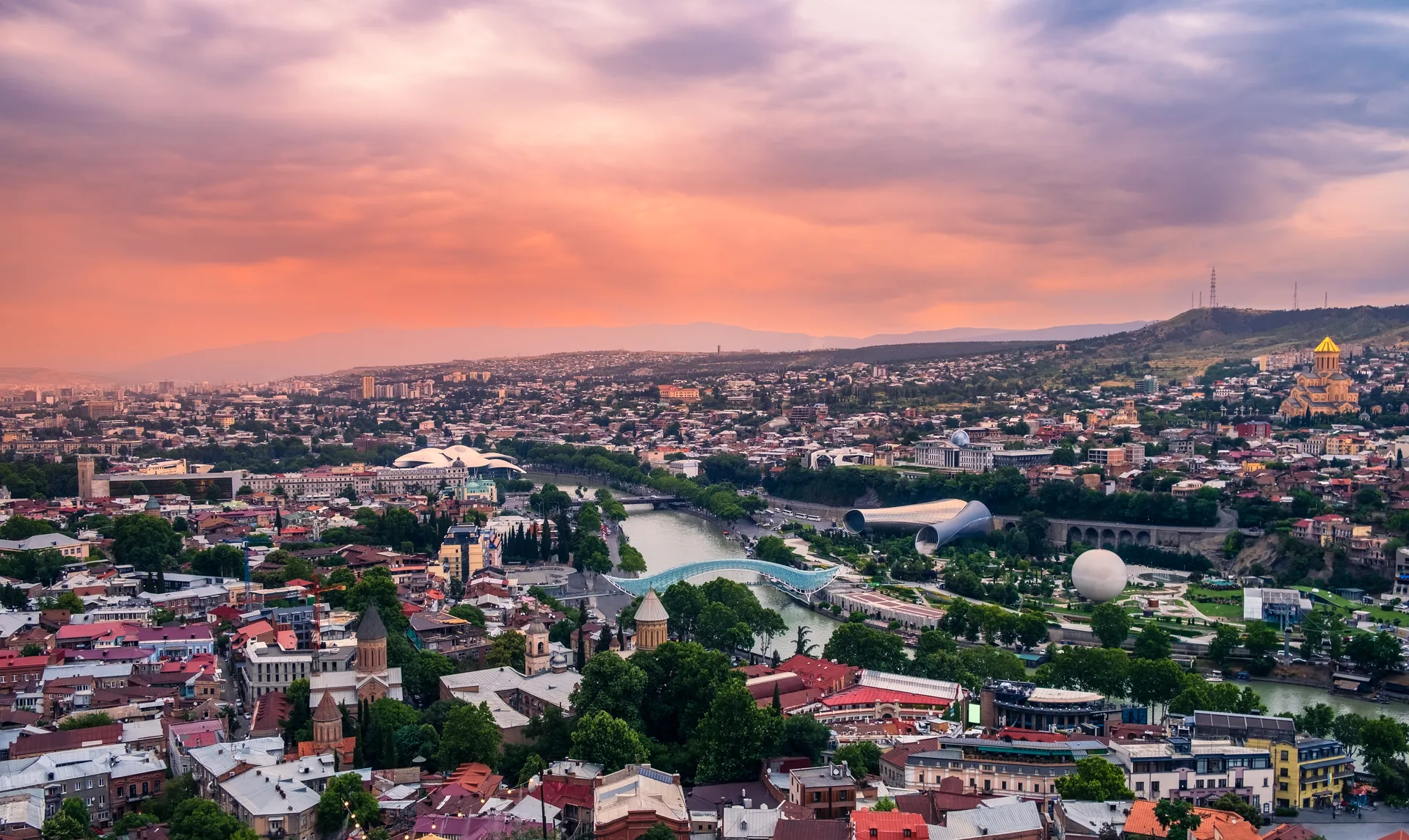
Days 1–3: Tbilisi. Three days in Tbilisi isn't too many — it's about right. The city has distinct neighborhoods that feel like different places. Start in the Old Town (Kala), where you can walk from sulfur baths to Narikala Fortress to the Leghvtakhevi waterfall in a single morning. Day two, cross the river and explore the newer side — the Dry Bridge flea market is genuinely interesting, not just tourist tat, though you need to go early. By day three, you'll have your favorite café and a sense of the city's rhythm.
Don't try to "see everything." The best parts of Tbilisi are wandering without a map — stumbling into courtyards, finding a hidden wine bar, chatting with someone who insists you try their homemade chacha. Leave space for that.
Tbilisi Wine Bars Worth Your Time
Vino Underground (natural wine pioneers), g.Vino (elegant, great food pairings), Wine Factory No. 1 (massive selection, good for groups). Skip the touristy ones on Shardeni Street — overpriced and mediocre.
Day 4: Mtskheta. Georgia's ancient capital is just 25 minutes from Tbilisi by marshrutka (1 GEL from Didube station). The Jvari Monastery overlooking the confluence of the Mtkvari and Aragvi rivers is one of those views that actually lives up to the photos. Get there early — by 10 AM the tour buses arrive. Svetitskhoveli Cathedral is the other must-see. You can do both and be back in Tbilisi for a late lunch.
Days 5–6: Kazbegi. This is the highlight of a one-week trip for most people, and for good reason. The drive up the Georgian Military Highway is spectacular — Ananuri fortress, the ski resort of Gudauri, the mineral springs at the top of the pass. Book a shared taxi from Tbilisi (25-30 GEL per person, 3 hours) or take the marshrutka from Didube.
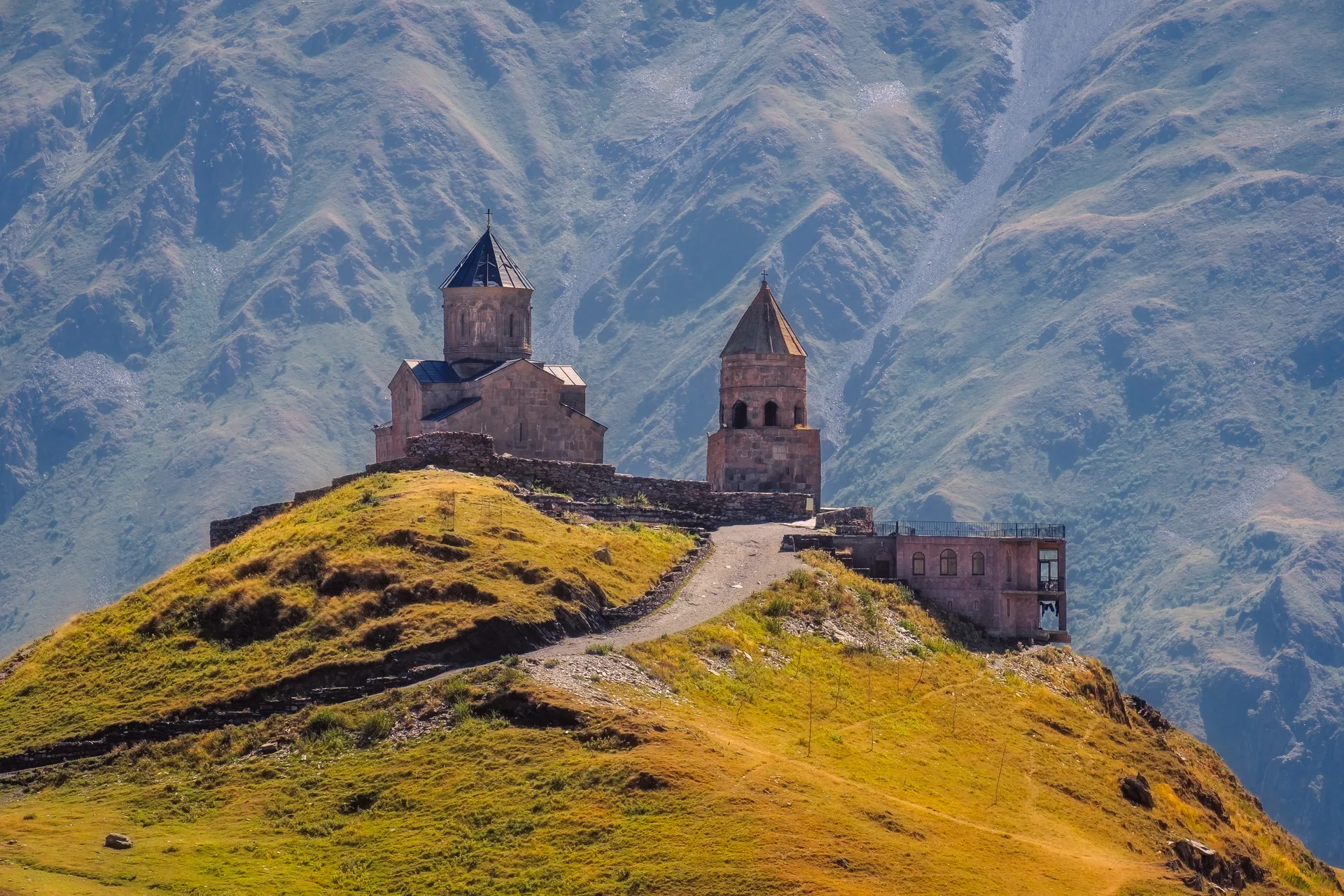
Two nights in Stepantsminda is the right call. Day one for the drive and settling in, day two for the Gergeti Trinity Church hike. The hike takes about 3 hours round trip and isn't difficult — you'll see grandmothers doing it. The view of Mt. Kazbek (5,033m) from the church is the most iconic image in Georgian tourism for a reason.
Day 7: Return. Head back to Tbilisi in the morning. If your flight is in the evening, you have time for last-minute shopping at Meidan or one more meal at your favorite spot.
Two Weeks: The Full Experience
Fourteen days is the sweet spot for Georgia. You get Tbilisi, the mountains, the wine region, the Black Sea coast, and a few places that most tourists skip entirely. This is the itinerary I'd recommend to anyone who asks "how long should I spend in Georgia?"
| Day | Location | Highlights | Sleep |
|---|---|---|---|
| 1–2 | Tbilisi | Old Town, Narikala, sulfur baths, Dry Bridge Market, evening wine bars | Tbilisi |
| 3 | Mtskheta → Kazbegi | Morning at Jvari + Svetitskhoveli, then Georgian Military Highway north | Kazbegi |
| 4 | Kazbegi | Gergeti Trinity Church hike, Truso Valley (optional, needs 4x4) | Kazbegi |
| 5 | Kazbegi → Tbilisi | Morning return, afternoon rest, evening in Vera or Sololaki | Tbilisi |
| 6 | Tbilisi → Kakheti | Drive to Sighnaghi, Bodbe Monastery, Alazani Valley panorama | Sighnaghi |
| 7 | Kakheti wine tour | Qvevri winery visits, Tsinandali estate, wine tasting, churchkhela making | Sighnaghi |
| 8 | Kakheti → Tbilisi → Kutaisi | Travel day — train from Tbilisi to Kutaisi (5.5hrs) or drive via Gori | Kutaisi |
| 9 | Kutaisi | Bagrati Cathedral, Gelati Monastery, Prometheus Cave, Kutaisi market | Kutaisi |
| 10 | Kutaisi → Batumi | Train or marshrutka to coast (4hrs), evening Boulevard stroll | Batumi |
| 11 | Batumi | Old Town, Botanical Garden, seafood lunch, Ali and Nino statue at sunset | Batumi |
| 12 | Batumi day trip | Machakhela National Park or Gonio Fortress, Adjarian khachapuri masterclass | Batumi |
| 13 | Batumi → Tbilisi | Morning train back (5.5hrs) or overnight if you prefer | Tbilisi |
| 14 | Tbilisi | Last explorations, missed neighborhoods, souvenir shopping, farewell dinner | — |
Why This Route Works
The two-week loop hits Georgia's four distinct faces: capital city energy (Tbilisi), dramatic mountain scenery (Kazbegi), rolling wine country (Kakheti), and subtropical coast (Batumi). You move roughly clockwise through the country, minimizing backtracking.
The route also gives you Georgia's culinary range. Tbilisi is the melting pot, but every region has its own specialty. Kakheti does mtsvadi (grilled meat) and churchkhela better than anywhere. Batumi has Adjarian khachapuri — the egg-and-butter boat version that's really nothing like the Imeretian round one you'll eat in Tbilisi. Kutaisi has its own take on everything.
Two-Week Alternative: Add Svaneti, Drop Batumi
If mountains beat beaches, replace days 10-12 with Mestia and Svaneti. You'll need to budget 2 travel days (Kutaisi → Mestia is 7-8 hours) but Svaneti's medieval towers and glacier hikes are unforgettable. Fly back from Mestia to Tbilisi on Vanilla Sky (weather permitting).
Three Weeks: Go Deep
Three weeks lets you do something most tourists never manage: slow down. You get the highlights plus the off-the-beaten-path places that make Georgia genuinely special — Svaneti's medieval towers, Vardzia's cave city, the otherworldly landscapes of David Gareja. This is the itinerary for people who want to understand Georgia, not just photograph it.
| Day | Location | Highlights | Sleep |
|---|---|---|---|
| 1–3 | Tbilisi | Deep exploration — Old Town, Vera, Sololaki, Vake, Mtatsminda, markets, wine bars | Tbilisi |
| 4 | Mtskheta + David Gareja | Morning Jvari/Svetitskhoveli, afternoon drive to David Gareja monastery | Tbilisi |
| 5–6 | Kazbegi | Georgian Military Highway, Gergeti hike, Truso Valley, Juta village | Kazbegi |
| 7–8 | Kakheti | Sighnaghi, wine tours, Tsinandali, Gremi fortress, Alaverdi monastery | Sighnaghi/Telavi |
| 9 | Kakheti → Tbilisi | Morning return, laundry day, rest | Tbilisi |
| 10 | Tbilisi → Gori → Uplistsikhe | Stalin Museum (love it or hate it), Uplistsikhe cave town, continue to Kutaisi | Kutaisi |
| 11 | Kutaisi | Gelati Monastery (UNESCO), Prometheus Cave, Sataplia Nature Reserve | Kutaisi |
| 12–14 | Svaneti (Mestia) | Medieval towers, Koruldi Lakes hike, Ushguli day trip (UNESCO) | Mestia |
| 15 | Mestia → Batumi | Flight (Vanilla Sky, 40 min) or long drive via Zugdidi | Batumi |
| 16–17 | Batumi + Adjara | Old Town, Botanical Garden, Machakhela, mountain villages of Adjara | Batumi |
| 18 | Batumi → Borjomi | Train or drive to Georgia's spa town, mineral water tasting | Borjomi |
| 19 | Vardzia | Day trip to Vardzia cave city — 13-story cliff monastery | Borjomi |
| 20 | Borjomi → Tbilisi | Morning in Borjomi Park, afternoon train back to Tbilisi | Tbilisi |
| 21 | Tbilisi | Revisit favorites, missed spots, final wine tasting, departure | — |
The Extras That Make Three Weeks Worth It
David Gareja is one of Georgia's most underrated sites — a 6th-century monastery complex carved into semi-desert cliffs on the Azerbaijan border. The landscape looks like it belongs in Central Asia, not the Caucasus. It's a long day trip from Tbilisi (4 hours round trip driving) but absolutely worth it. Note: the border area can be politically sensitive, so check current conditions.
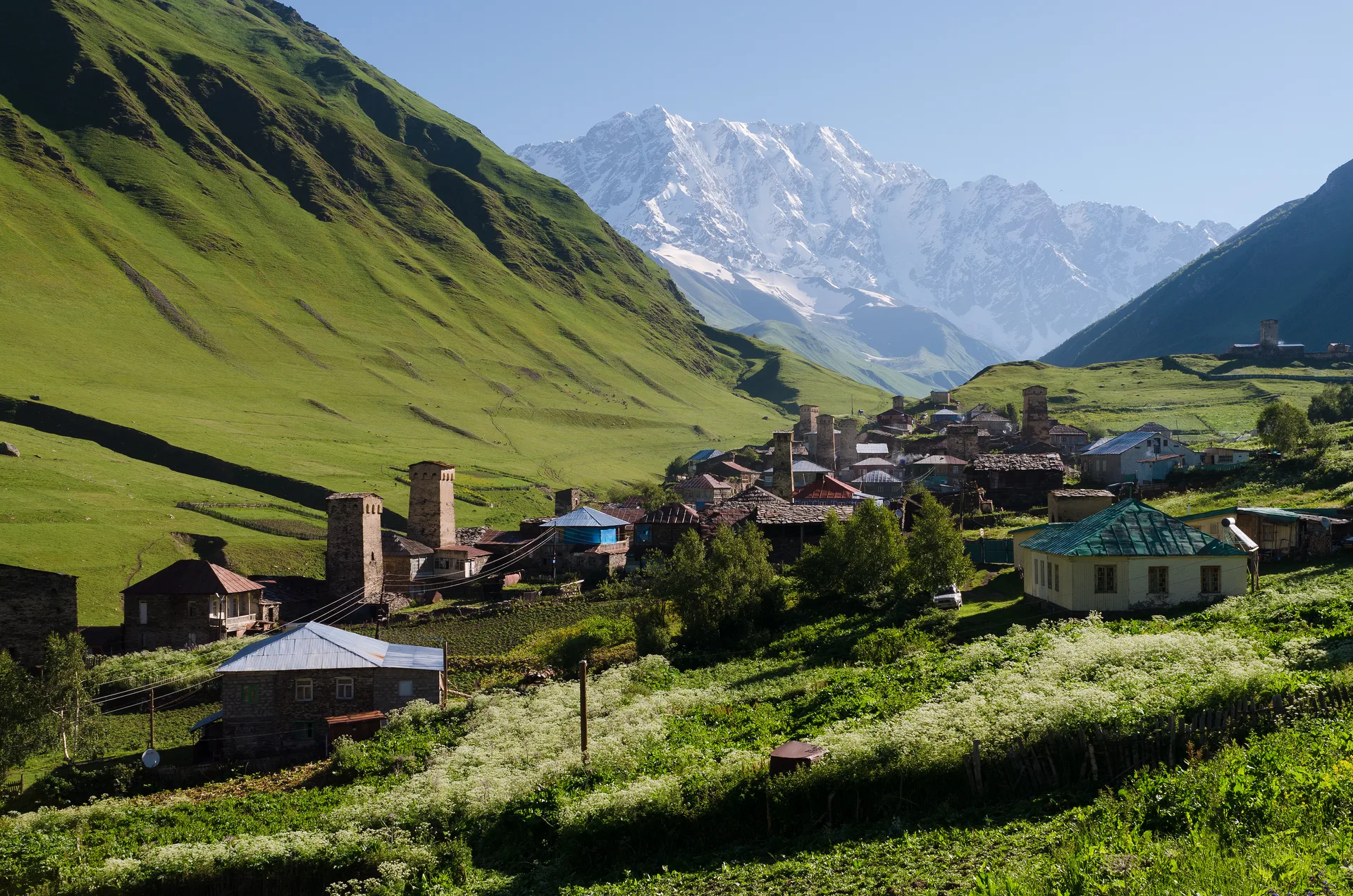
Svaneti is the reason the three-week itinerary exists. The medieval tower villages of Mestia and Ushguli are UNESCO-listed and genuinely feel like stepping back in time. The Koruldi Lakes hike (6-7 hours, moderate difficulty) gives you some of the most dramatic mountain scenery in all of Europe. Getting there takes effort — 8 hours by road from Kutaisi — but the tiny Vanilla Sky airline flies from both Kutaisi and Tbilisi when weather cooperates (~70 GEL one way).
Borjomi + Vardzia is a combo that works brilliantly. Borjomi is pleasant for a night — mineral water springs, a nice park, a cable car with views. But Vardzia is the real draw: a 13-story cave monastery carved into a cliff face in the 12th century by Queen Tamar. It's Georgia's version of Petra, and somehow most tourists miss it entirely.
Got More Time? Consider Tusheti
If you have 4+ weeks, add Tusheti — Georgia's most remote inhabited region. The Tusheti road is one of the most dangerous (and beautiful) drives in the world. Only accessible June-October. Not for the faint-hearted.
Seasonal Adjustments
Georgia's seasons are dramatic. The same itinerary can feel like a completely different trip depending on when you go.
| Season | Best For | Avoid | Adjust Itinerary |
|---|---|---|---|
| Spring (Apr–May) | Wildflowers, mild temps, Easter, fewer crowds | Svaneti roads may be closed early April | Best overall window. All itineraries work as written. |
| Summer (Jun–Aug) | Hiking, Tusheti, all mountain roads open | Tbilisi heat (35-40°C), Batumi crowds | Reduce Tbilisi days, maximize mountains. Add Tusheti if 3 weeks. |
| Fall (Sep–Oct) | Wine harvest (Rtveli), golden leaves, Tbilisoba festival | Svaneti roads close late October | Perfect for 2-week itinerary. Add extra Kakheti day for Rtveli. |
| Winter (Nov–Mar) | Skiing (Gudauri, Bakuriani), cozy Tbilisi, no crowds | Mountain roads closed, Svaneti/Tusheti inaccessible | Stick to 1-week. Focus Tbilisi + Kazbegi (GMH stays open). Add Gudauri skiing. |
For a deep dive on timing, read our complete guide to the best time to visit Georgia.
Budget Breakdown
Georgia is affordable by European standards, but it's not as dirt-cheap as some travel blogs claim. Tbilisi prices have climbed steadily since 2020, and tourist-facing restaurants have caught on. That said, you can still travel well for surprisingly little.
💰 Budget Traveler (Per Day)
🏨 Mid-Range Traveler (Per Day)
The Biggest Savings
Accommodation is where budget and mid-range diverge most. A $15/night guesthouse in Sighnaghi can be just as charming as a $50 boutique hotel — sometimes more so, because the host might invite you for homemade wine and dinner. Guesthouses (called "სასტუმრო" or simply "guest house" on Booking.com) are Georgia's secret weapon for affordable, authentic travel.
Read our complete money, ATMs, and tipping guide for the practical details, and check our things to know before visiting Georgia for more tips.
Getting Between Places
Georgia's transport system is functional but not intuitive. Here's the cheat sheet for every connection in these itineraries.
| Route | Options | Time | Cost |
|---|---|---|---|
| Tbilisi → Mtskheta | Marshrutka from Didube | 25 min | 1 GEL |
| Tbilisi → Kazbegi | Shared taxi from Didube / marshrutka | 3 hrs | 25–30 GEL |
| Tbilisi → Sighnaghi | Marshrutka from Samgori | 2 hrs | 10 GEL |
| Tbilisi → Kutaisi | Train (comfortable) / marshrutka | 5.5 hrs / 4 hrs | 9–24 GEL / 15 GEL |
| Tbilisi → Batumi | Train (scenic) / bus / flight | 5.5 hrs / 6 hrs / 1 hr | 25–50 GEL / 30 GEL / 80+ GEL |
| Kutaisi → Batumi | Train / marshrutka | 4 hrs / 3.5 hrs | 7–15 GEL / 15 GEL |
| Kutaisi → Mestia | Marshrutka via Zugdidi | 7–8 hrs | 25–30 GEL |
| Mestia → Tbilisi | Vanilla Sky flight (weather dependent) | 40 min | 65–85 GEL |
| Borjomi → Vardzia | Marshrutka via Akhaltsikhe / private car | 2.5 hrs | 10–15 GEL |
For the full breakdown on marshrutkas, trains, and taxis, see our complete guide to getting around Georgia.
The Marshrutka Experience
Marshrutkas (minibuses) are the backbone of Georgian transport. They're cheap, frequent, and have no fixed schedule — they leave when they're full. Show up at the station, tell someone where you're going, and they'll point you to the right van. It's chaotic but it works. Pro tip: sit near the front for less carsickness on mountain roads.
Where to Stay: Quick Picks
Georgia's accommodation ranges from $8 dorm beds to $200+ boutique hotels. Here's a quick recommendation for each stop on these itineraries.
| Location | Budget ($10–25) | Mid-Range ($30–70) | Tip |
|---|---|---|---|
| Tbilisi | Fabrika (hostel/co-working) | Boutique hotels in Vera/Sololaki | Stay in Old Town for walkability |
| Kazbegi | Family guesthouses ($15–20) | Rooms Hotel Kazbegi (splurge, worth it) | Book ahead in summer |
| Sighnaghi | Guesthouses with valley views ($12–18) | Wine-themed B&Bs | Ask if they serve homemade wine |
| Kutaisi | Hostels near White Bridge | Apartments via Booking.com | Central location matters — city is walkable |
| Mestia | Svan family guesthouses ($15–25) | Guesthouses with meals included | Half-board is often the best value |
| Batumi | Apartments (abundant, cheap) | Hotels on the Boulevard | Avoid the casino strip unless that's your thing |
| Borjomi | Guesthouses ($10–15) | Crowne Plaza (if treating yourself) | Walkable to the park is key |
For detailed Tbilisi neighborhood breakdowns, read our where to stay in Tbilisi guide.
Common Mistakes
❌ Trying to see everything
Georgia is small but slow. A destination that looks "2 hours away" on Google Maps can take 4 hours on Georgian roads. Build in rest days. You'll enjoy it more.
❌ Skipping Kakheti for Kazbegi
Everyone does Kazbegi. And it's great. But Kakheti — the wine region — is where you'll have the most genuine Georgian experience. Don't skip it.
❌ Only eating in tourist areas
Shardeni Street restaurants are mediocre and overpriced. Walk 10 minutes in any direction and you'll find better food for half the price. Ask locals where they eat.
❌ Booking tours for everything
Georgia is one of the easiest countries to travel independently. Marshrutkas go everywhere, Bolt works in every city, and guesthouses are abundant. Save the tour money for wine.
❌ Not learning basic phrases
English is limited outside Tbilisi. "Gamarjoba" (hello), "Madloba" (thanks), and "Gaumarjos" (cheers) go a long way. Check our essential phrases guide.
❌ Visiting in peak summer only
July–August means 38°C in Tbilisi and packed beaches in Batumi. Late May, September, and October are genuinely better. Fewer tourists, better weather, wine harvest season.
Frequently Asked Questions
How many days do I need in Georgia?
Minimum 7 days for the highlights (Tbilisi + one excursion). Two weeks is the sweet spot — you can cover four distinct regions without rushing. Three weeks lets you slow down and go off the beaten path.
Do I need a visa for Georgia?
Most nationalities (including EU, US, UK, Canada, Australia) can enter visa-free for up to one year. Seriously — a full year. It's one of the most generous visa policies in the world.
Is Georgia safe for tourists?
Very. Georgia is one of the safest countries in the region. Violent crime against tourists is extremely rare. The main risks are aggressive drivers and homemade chacha (not joking). Read our safety guide for the honest picture.
Should I rent a car in Georgia?
It depends. A car opens up Kakheti, Tusheti, and rural Georgia dramatically. But Tbilisi driving is genuinely terrifying, parking is chaos, and marshrutkas cover most tourist routes. Best approach: use public transport for cities, rent a car for 3-4 days in the countryside.
When is the best time to visit Georgia?
Late April–May and September–October. These shoulder seasons have perfect weather, fewer tourists, and either spring wildflowers or autumn wine harvest. Avoid July–August unless you're heading to the mountains. See our complete seasonal guide.
Written by The Georgian Guide Team
We've lived in Georgia for years and traveled every corner of the country — from Tusheti's remote valleys to Batumi's casino strip. These itineraries are built from real trips, real transport experiences, and real opinions about what's worth your time.
Last updated: February 2026.
Related Articles
Tbilisi for First-Timers
Everything you need to know before your first trip to the capital.
Getting Around Georgia
Marshrutkas, trains, taxis, and everything in between.
Best Time to Visit Georgia
Month-by-month breakdown of weather, crowds, and festivals.
Kakheti Wine Region Guide
Georgia's wine heartland — wineries, tastings, and 8,000 years of tradition.