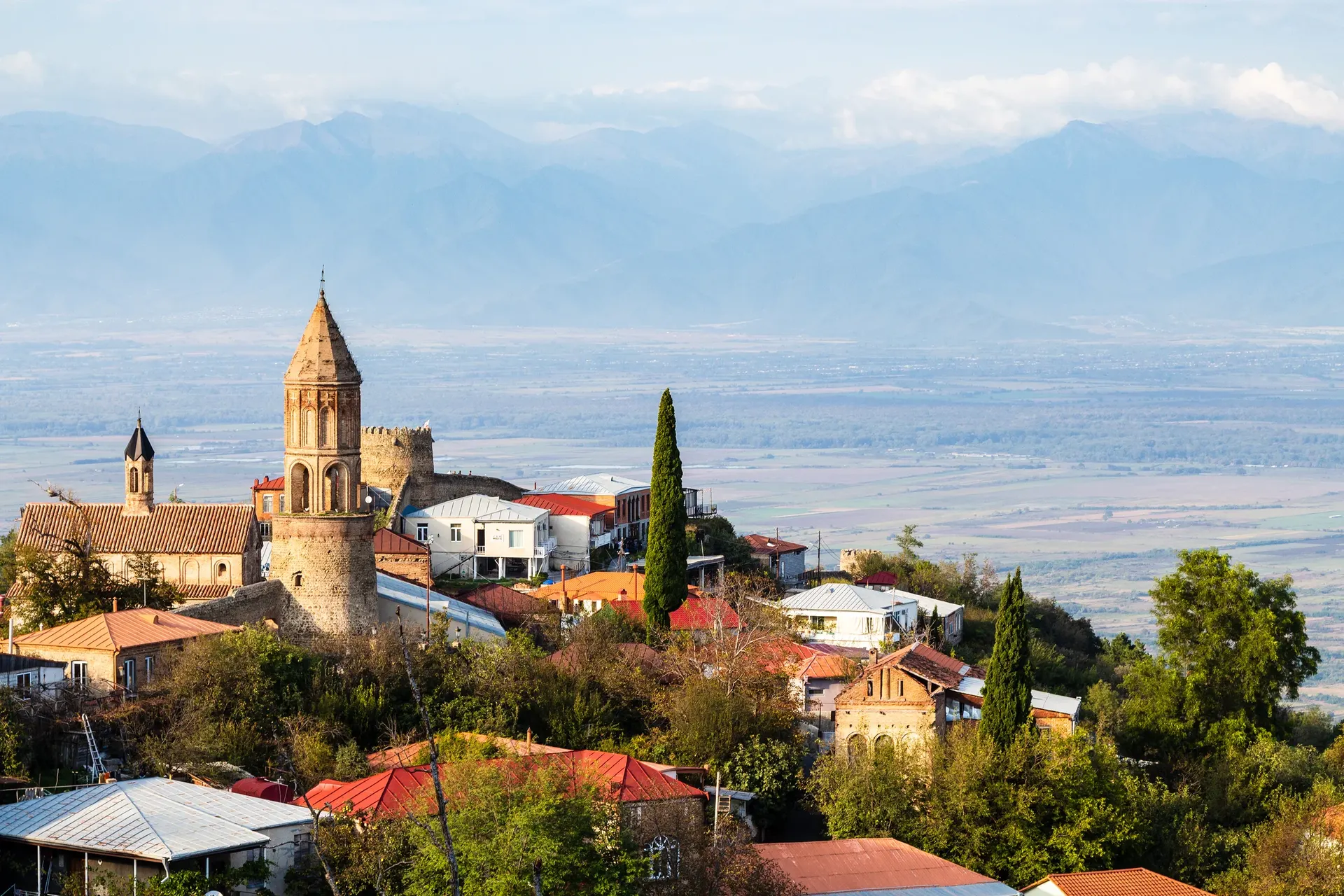
Sighnaghi is the most photogenic small town in Georgia. Perched on a ridge above the Alazani Valley, surrounded by 18th-century fortress walls and backed by the snow-capped Caucasus, it looks like someone designed it specifically for Instagram. Which is part of the problem — most visitors treat it as a photo stop. They drive up from Tbilisi, wander the main street for an hour, eat khachapuri, and leave. That's a waste of a genuinely interesting place.
Sighnaghi sits in the heart of Kakheti, Georgia's premier wine region. The town itself is tiny — you can walk end to end in 15 minutes — but it's the perfect base for exploring qvevri wineries, ancient monasteries, and a valley that's been producing wine for 8,000 years. It's also one of the few Georgian towns that was deliberately restored to be beautiful, which gives it a slightly different feel from the raw, crumbling charm you'll find in places like Tbilisi's Old Town.
This guide covers what to actually do here, how to get the most out of a visit, where to eat and stay, and the honest downsides nobody mentions.
Quick Facts
Why Sighnaghi Is Worth Your Time
Georgia has plenty of old towns, but Sighnaghi is unusual. In 2005, the Georgian government invested heavily in restoring it — repaving streets, renovating facades, rebuilding the fortress towers. The result is a town that feels like a living postcard. Some locals and expats grumble that it's "too polished" or "too touristy," but the reality is more nuanced. Yes, the main street has souvenir shops. But step one block off the central square and you're in residential Sighnaghi — grape vines draped over balconies, old men playing backgammon, dogs sleeping in the sun.
The real reason to come is the setting. From the fortress walls, you look out across the entire Alazani Valley — a flat, fertile plain carpeted with vineyards, bordered on the far side by the Greater Caucasus. On a clear day, those peaks are snow-covered even in summer. It's one of the genuinely spectacular views in the Caucasus, and you don't need to hike or suffer a dirt road to reach it.
🍷 Wine Capital
Heart of Kakheti, Georgia's largest wine region. Qvevri wineries within walking distance. Home to some of Georgia's best Saperavi and Rkatsiteli.
🏰 Intact Fortress
4.5 km of defensive walls with 23 towers, built in 1772 by King Erekle II. One of the best-preserved fortifications in Georgia.
⛪ Bodbe Monastery
Burial site of St. Nino, who brought Christianity to Georgia. One of the country's most important pilgrimage sites, 2 km from town.
📸 Unbeatable Views
The Alazani Valley panorama from the fortress walls is one of the most photographed scenes in the Caucasus. Clear mornings are extraordinary.
What to See and Do
Walk the Fortress Walls
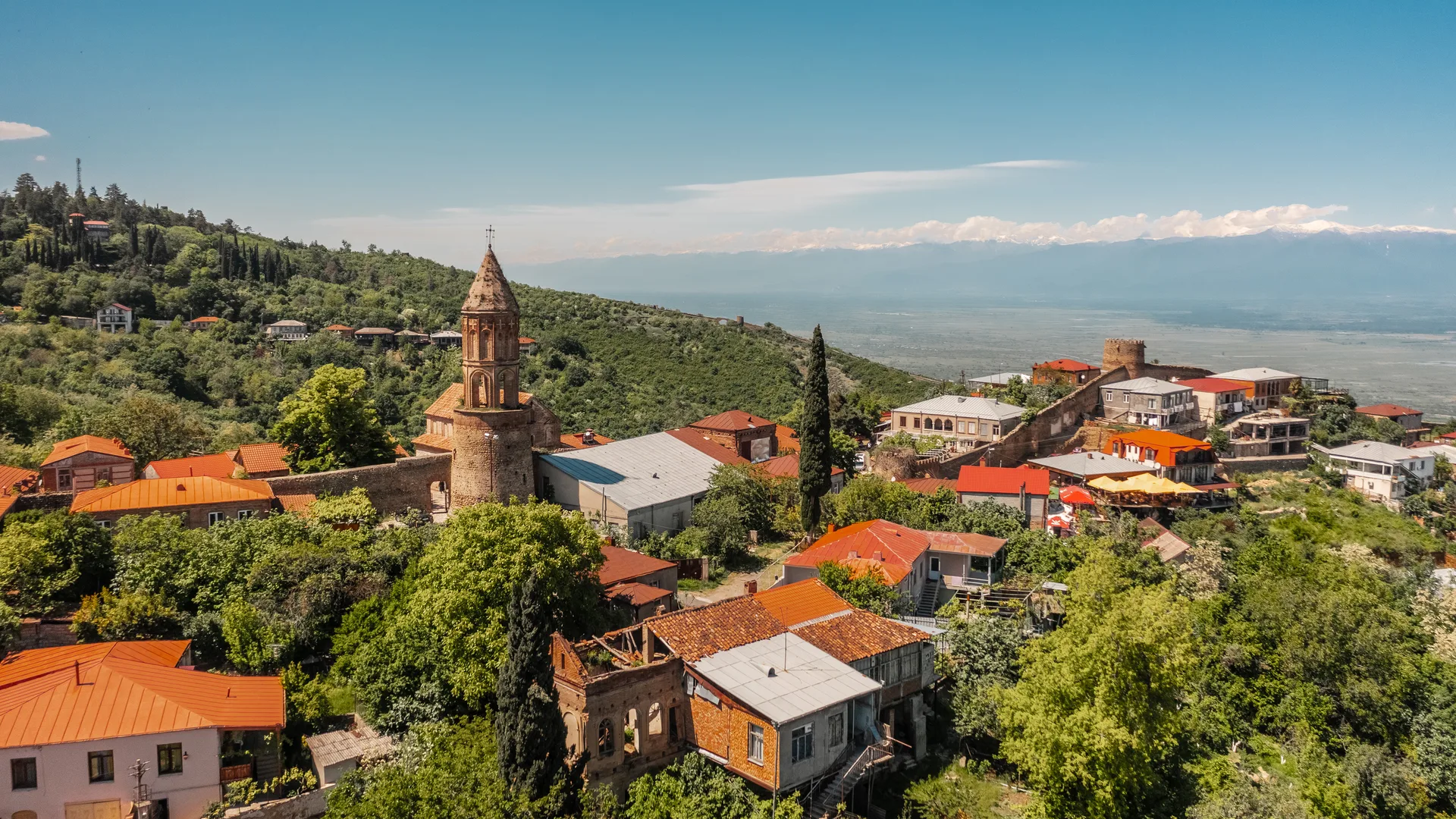
Sighnaghi's defining feature is the defensive wall that nearly encircles the town. King Erekle II (Heraclius II) built it in 1772 to protect the local population from Dagestani raiders. The wall stretches about 4.5 kilometers and originally had 28 towers, of which 23 survive. You can walk along sections of the northern wall and climb several towers for views. The best stretch runs from the main entrance gate to the eastern lookout point — maybe 30 minutes of walking.
Best Photo Spot
The eastern towers offer the best panoramic view of the Alazani Valley with the Caucasus behind. Go in the morning — afternoon light haze often obscures the mountains. Sunrise is spectacular if you're an early riser.
Bodbe Monastery
The Bodbe Convent (officially the Monastery of St. Nino at Bodbe) sits 2.5 kilometers southwest of Sighnaghi's center. St. Nino is the woman credited with converting Georgia to Christianity in 337 AD, and this is where she's buried. For Georgians, this is one of the holiest sites in the country — many visit on pilgrimage, and you'll see locals crossing themselves as they approach the gate.
The monastery complex includes the 9th-century Cathedral of St. George (rebuilt several times), a newer church completed in 2019, and beautifully maintained gardens with views across the valley. Below the monastery, a steep path leads down to St. Nino's Spring — a natural spring where pilgrims bathe in holy water. It's a 15-minute walk down and a sweaty 20-minute climb back up.
Dress Code
Bodbe enforces a strict dress code. Women must cover their hair and shoulders and wear a skirt (wrap-arounds are provided at the entrance for free). Men need long pants. This is taken seriously — guards will stop you at the gate.
Sighnaghi National Museum
The museum is better than you'd expect for a small town. It houses a significant collection of archaeological artifacts from Kakheti — Bronze Age weapons, gold jewelry, Hellenistic pottery — and an impressive gallery of paintings by Niko Pirosmani, Georgia's most beloved artist. Pirosmani was born in a village near Sighnaghi, and his naïve-style paintings of Georgian life are instantly recognizable. If you only see one art collection outside Tbilisi, this is a strong candidate.
Entry is 7 GEL (about $2.50). It's on the main square and usually takes 45–60 minutes.
The Wedding House and "City of Love"
Sighnaghi is marketed as Georgia's "City of Love." This comes from two things: a 24-hour wedding house on the main square (yes, you can legally get married at 3 AM — no waiting period), and the legend of Niko Pirosmani, who supposedly sold everything he owned to buy a million roses for a French actress named Marguerite. Whether that actually happened is debatable, but the story is deeply embedded in Georgian culture — Alla Pugacheva's famous Russian-language song "A Million Red Roses" is based on it.
The wedding house itself is a renovated civic building. Unless there happens to be a ceremony when you visit, it's not particularly interesting from the outside. But the romantic branding has worked — Georgian couples come here for weddings, and the town leans into the theme.
Wander the Old Streets
Sighnaghi's charm is in the details. Once you leave the main square, the streets narrow and curve. Traditional houses have wooden balconies draped in grape vines. Elderly women sell hand-knitted socks from their doorsteps. You'll see wine-filled plastic bottles lined up on walls for sale — the local equivalent of a farm stand, and usually excellent quality for 5–10 GEL per liter. It takes about an hour to explore the residential streets properly, and it's the best way to experience the town beyond the tourist façade.
Wine Tasting
You're in the middle of Kakheti. Wine is not optional. Several small wineries operate within walking distance of the town center, and most offer tastings for free or 10–20 GEL.
| Winery | Style | Tasting | Notes |
|---|---|---|---|
| Pheasant's Tears | Natural, qvevri | 20–30 GEL | John Wurdeman's famous project. Excellent restaurant attached. |
| Okro's Wines | Traditional qvevri | 15–25 GEL | Small family winery below St. Stephen's church. Intimate experience. |
| Cradle of Wine | Mixed | Free–15 GEL | On the main street. Good intro for first-timers. |
| Kakhuri Gvinis Marani | Traditional | 10–15 GEL | Family-run, off the tourist track. Call ahead. |
| Homemade (street) | Homemade | Free | Locals sell from doorsteps. 5–10 GEL/liter. Taste before buying. |
Amber Wine
Georgia's signature is amber (orange) wine — white grapes fermented with skins in clay qvevri for months. It's nothing like conventional white wine. Love it or hate it, you should try it at least once. Pheasant's Tears does some of the best in the country.
Day Trips from Sighnaghi
Sighnaghi works brilliantly as a base for exploring Kakheti. You'll need a car (or hired driver) for most of these, but the distances are short.
| Destination | Distance | Time | Why Go |
|---|---|---|---|
| Tsinandali Estate | 45 km | 50 min | Historic wine estate with museum and gardens. Wine tasting included. |
| Telavi | 60 km | 1 hr | Kakheti's capital. Batonis Tsikhe fortress, 900-year-old plane tree, local market. |
| Gremi Citadel | 75 km | 1 hr 10 min | 16th-century fortress-church on a hilltop. Stunning views, empty most days. |
| Nekresi Monastery | 80 km | 1 hr 15 min | 6th-century monastery perched on a ridge. Shuttle bus from parking to top. |
| David Gareja | 90 km | 1.5 hr | Cave monastery complex on the Azerbaijan border. Full-day trip recommended. |
| Alaverdi Cathedral | 70 km | 1 hr | 11th-century cathedral, one of the tallest in Georgia. Working monastery with winery. |
Hiring a Driver
Your guesthouse can arrange a driver for a full-day Kakheti tour for 120–180 GEL ($45–70). This is the easiest way to hit multiple wineries and monasteries. Drivers usually know which places are open and which are worth skipping. Agree on the route and price before departing.
Where to Eat
Sighnaghi has more restaurants per square meter than almost anywhere in Georgia outside central Tbilisi. Quality varies wildly. Here's what's actually good.
| Restaurant | Budget | Best For | Notes |
|---|---|---|---|
| Pheasant's Tears | 25–45 GEL | Best overall meal | Seasonal Georgian menu with their own natural wines. Reserve in summer. |
| Nikala | 12–25 GEL | Best value | Reliable Georgian classics. Lobio in a clay pot is excellent. Terrace seating. |
| Mtevani | 15–30 GEL | Local favorite | Next to the tourist info center. Try the badrijani nigvzit (eggplant with walnut). |
| Kusika | 15–25 GEL | Casual lunch | Small menu, well-executed. Good khinkali. Friendly staff. |
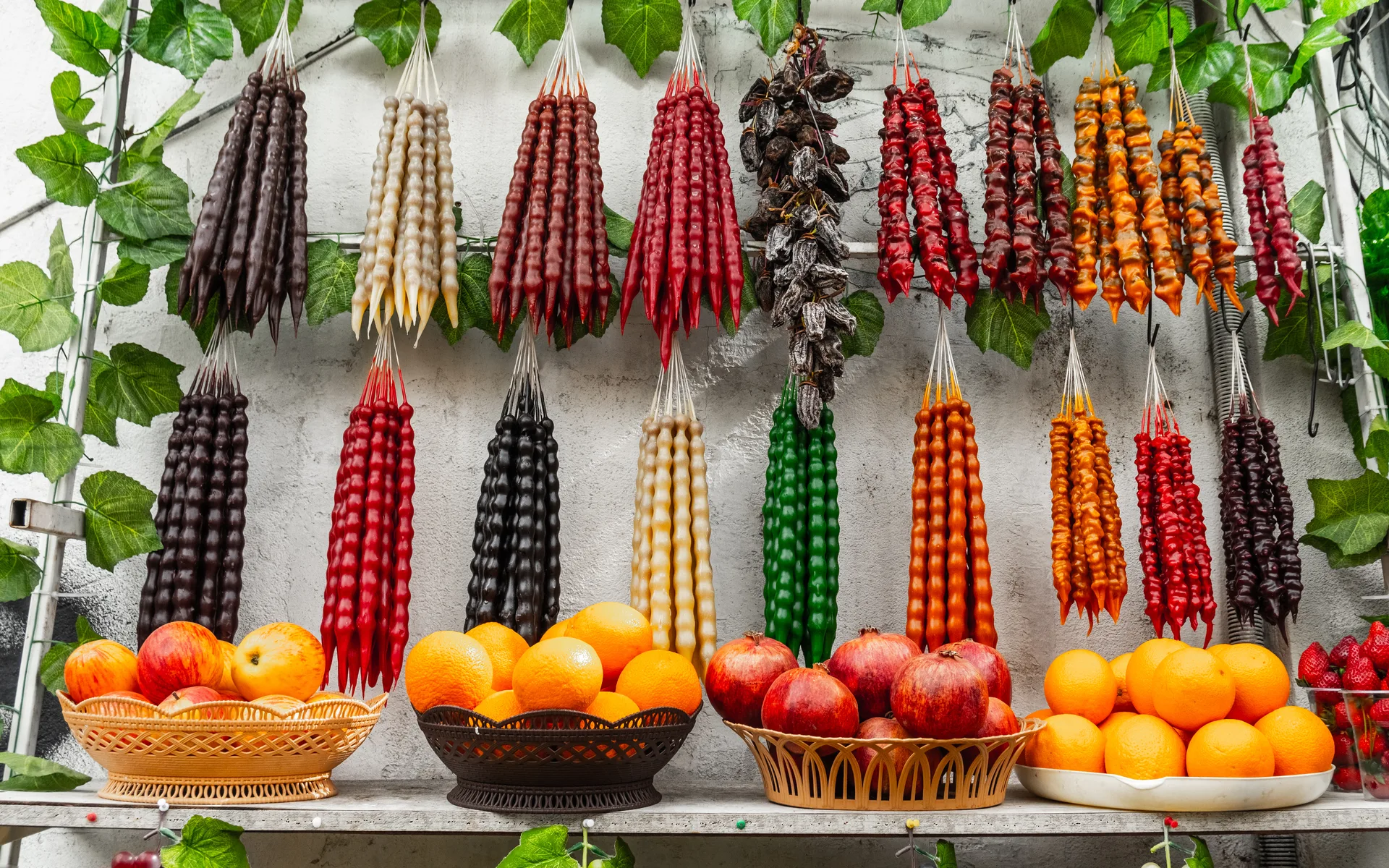
Street food is everywhere. Churchkhela (grape and walnut candy) hangs from stalls along the main street. Buy one — they're 2–3 GEL and surprisingly filling. The local bakery near the square does fresh tonis puri (clay oven bread) in the morning. For a quick lunch, ask for lobiani (bean-stuffed bread) if any bakery has it.
Where to Stay
Sighnaghi has two types of accommodation: guesthouses and boutique hotels. Both are affordable by European standards. The town is small enough that location barely matters — everything is within walking distance.
| Type | Price Range | What to Expect |
|---|---|---|
| Family guesthouse | 40–80 GEL | Homemade breakfast, local wine, hosts who treat you like family. The Georgian experience. |
| Boutique hotel | 120–250 GEL | Renovated historic buildings. Private bathrooms, better beds, valley views. |
| Wine estate | 200–400 GEL | Stay at a winery outside town. Includes tastings, vineyard walks, sometimes meals. |
Stay at a Guesthouse
Seriously. The guesthouse experience in Sighnaghi is one of the best in Georgia. Hosts typically prepare a massive breakfast (eggs, cheese, bread, jam, fruit, sometimes leftover dinner), offer homemade wine, and will happily arrange taxis and day trips. You'll spend $15–30 per night and get more warmth than any hotel could offer. Book on Booking.com — most guesthouses are listed there now.
Getting There
| Option | Duration | Cost | Notes |
|---|---|---|---|
| Marshrutka | 2–2.5 hr | 10 GEL | From Tbilisi's Samgori metro station. Departures roughly hourly until 17:00. No advance booking. |
| Taxi / Bolt | 1.5–2 hr | 80–120 GEL | Most comfortable. Agree on price beforehand, or use Bolt if driver accepts. |
| Shared taxi | 2 hr | 15–20 GEL | From Samgori. Fills up and departs when 4 passengers are ready. |
| Rental car | 1.5–2 hr | 80–120 GEL/day | Best if combining with a wider Kakheti trip. Road is good quality. |
| Day tour | Full day | 80–150 GEL | Usually includes Bodbe + a winery + Sighnaghi. Efficient but rushed. |
Day Trip vs Overnight
You can do Sighnaghi as a day trip from Tbilisi, but you'll be rushing. Stay one night and you can explore the town in the evening (when it's magical and the tour groups have left), do a proper wine tasting, and visit Bodbe in the morning before the crowds. Two nights is ideal if you want to use Sighnaghi as a base for Kakheti day trips.
When to Visit
| Season | Temp | Crowds | Notes |
|---|---|---|---|
| Spring (Apr–May) | 14–24°C | Moderate | Green vineyards, wildflowers, clear mountain views. Best overall. |
| Summer (Jun–Aug) | 25–35°C | High | Hot and dusty. Tour bus crowds. Haze often hides mountains. |
| Autumn (Sep–Oct) | 15–25°C | Moderate–High | Harvest season (rtveli). Golden vineyards, wine festivals. Book ahead. |
| Winter (Nov–Mar) | 0–10°C | Low | Quiet, atmospheric, cheap. Some restaurants close. Snow-capped Caucasus visible. |
Budget Breakdown
One Night in Sighnaghi (Per Person, Shared Room)
The Pirosmani Story
Niko Pirosmani (1862–1918) is Georgia's national painter. Self-taught, perpetually broke, and largely unrecognized during his lifetime, he painted on oilcloths and shop signs in exchange for food and wine. His work — simple, emotional depictions of Georgian life — was "discovered" by Russian avant-garde artists in 1912 and is now considered some of the most important naïve art in the world.
Pirosmani was born in the village of Mirzaani, about 15 km from Sighnaghi. You can visit his birth house (now a small museum) if you have a car. The Sighnaghi National Museum holds a significant collection of his paintings. They're worth seeing in person — reproductions don't capture the texture of his oilcloth canvases.
The million-roses story is almost certainly embellished, but it captures something real about Pirosmani's character. He was generous to the point of self-destruction, and he died destitute in Tbilisi in 1918. Georgia didn't fully appreciate him until decades later. Now his paintings are on stamps, wine labels, and in every major museum in the country.
The Honest Downsides
Over-Restored
The 2005 restoration gave Sighnaghi a slightly theme-park feel. Some travelers find it too "perfect" compared to the raw character of other Georgian towns. The paint is suspiciously fresh.
Tour Bus Crowds
From 10 AM to 3 PM in summer, the main street fills with day-trippers from Tbilisi. The town transforms. Stay overnight and you'll see the real Sighnaghi — morning and evening are completely different.
Not Much to "Do"
If you need activities and attractions, Sighnaghi will feel small after half a day. Its appeal is in wandering, eating, drinking wine, and soaking in the views. That's it. That's the whole thing.
Summer Heat
July and August temperatures regularly hit 35°C, and the hilltop position means zero shade on the fortress walls. Haze often ruins the mountain views. Come in spring or autumn instead.
Limited Nightlife
By 9 PM, most restaurants are winding down. There are a couple of wine bars, but if you're looking for anything resembling a scene, you'll need to go back to Tbilisi.
Souvenir Trap
The main street is lined with identical souvenir shops selling the same fridge magnets and painted wine horns. Walk past them. The knitting ladies with handmade socks are the only ones worth stopping for.
Common Mistakes
❌ Doing It as a Day Trip
You'll arrive when the tour buses do and leave before the magic happens. Evening Sighnaghi, with the valley views at sunset and the streets empty, is worth the overnight stay.
❌ Skipping Bodbe
Some visitors only do the town and miss the monastery. Bodbe is 2.5 km away — a 30-minute walk or 3-minute taxi. The gardens and valley views are worth the detour.
❌ Only Visiting Wineries in Town
The wineries within Sighnaghi are convenient, but the best Kakheti wineries are in the valley. Hire a driver for a day and visit Tsinandali, Alaverdi, or some small family operations.
❌ Coming on a Weekend in Summer
Georgian families flock to Sighnaghi on summer weekends. Hotels fill up, prices spike, restaurants have waits. Weekdays are dramatically quieter.
❌ Not Bringing Cash
Many guesthouses, street vendors, and homemade wine sellers are cash-only. There's one ATM on the main square — it sometimes runs out on busy weekends. Bring cash from Tbilisi.
❌ Ignoring the Back Streets
Most visitors stay on the main drag. The residential streets one block behind are where you'll find the real character — vine-covered balconies, old women selling wine, cats everywhere.
Suggested Itinerary (1 Night)
Day 1 — Afternoon Arrival
Arrive by 2 PM. Check into guesthouse. Walk the fortress walls (1 hour). Wine tasting at Pheasant's Tears or Okro's (1 hour). Wander old streets. Dinner at Nikala or Pheasant's Tears restaurant. Watch sunset from eastern tower.
Day 2 — Morning
Early morning walk to Bodbe Monastery (go before 10 AM to beat crowds). Visit St. Nino's Spring if you're up for the climb. Return to town. Visit National Museum (45 min). Lunch. Depart by early afternoon — or extend into a Kakheti road trip.
Got Two Nights?
Use day 2 for a full-day Kakheti tour by car: Tsinandali Estate → Telavi → Gremi Citadel → winery stop → back to Sighnaghi. This is one of the best day trips in Georgia. Day 3 morning: Bodbe + museum, then head back to Tbilisi or onward to Lagodekhi.
Frequently Asked Questions
Is Sighnaghi worth visiting?
Yes, especially if you stay overnight. It's one of the most photogenic towns in Georgia with incredible valley views, good wine, and a relaxed atmosphere. Day trips feel rushed.
How do I get from Tbilisi to Sighnaghi?
Marshrutkas from Samgori metro station, roughly hourly until 17:00. 10 GEL, about 2 hours. Taxis cost 80–120 GEL and take 1.5–2 hours.
How many days do you need?
One night for the town itself. Two nights if you want to use Sighnaghi as a base for Kakheti day trips — which you should, because the valley is incredible.
What is Sighnaghi famous for?
The "City of Love" tag (24-hour wedding house), the painter Niko Pirosmani, fortress walls, Bodbe Monastery, and its position in the heart of Kakheti wine country.
Is Sighnaghi safe?
Very. It's a small, peaceful town. The main risks are sunburn, drinking too much wine, and overpaying for souvenirs on the main street.
Written by The Georgian Guide Team
Based in Tbilisi. We've visited Sighnaghi in every season, stayed in its guesthouses, sampled its wines, and watched the Alazani Valley change color with the light. This guide is drawn from years of visits and conversations with locals.
Last updated: February 2026.
Related Articles
Kakheti Wine Region: The Complete Guide
Wineries, towns, itineraries, and honest advice for Georgia's premier wine region.
Day Trips from Tbilisi
The best day trips from Tbilisi, including Mtskheta, Kazbegi, and the Kakheti wine region.
Mtskheta: Georgia's Ancient Capital
UNESCO-listed monasteries, how to get there, and what most guides leave out.
Georgian Wine Culture
Qvevri, amber wine, grape varieties, and why Georgia calls itself the birthplace of wine.